 EN
EN


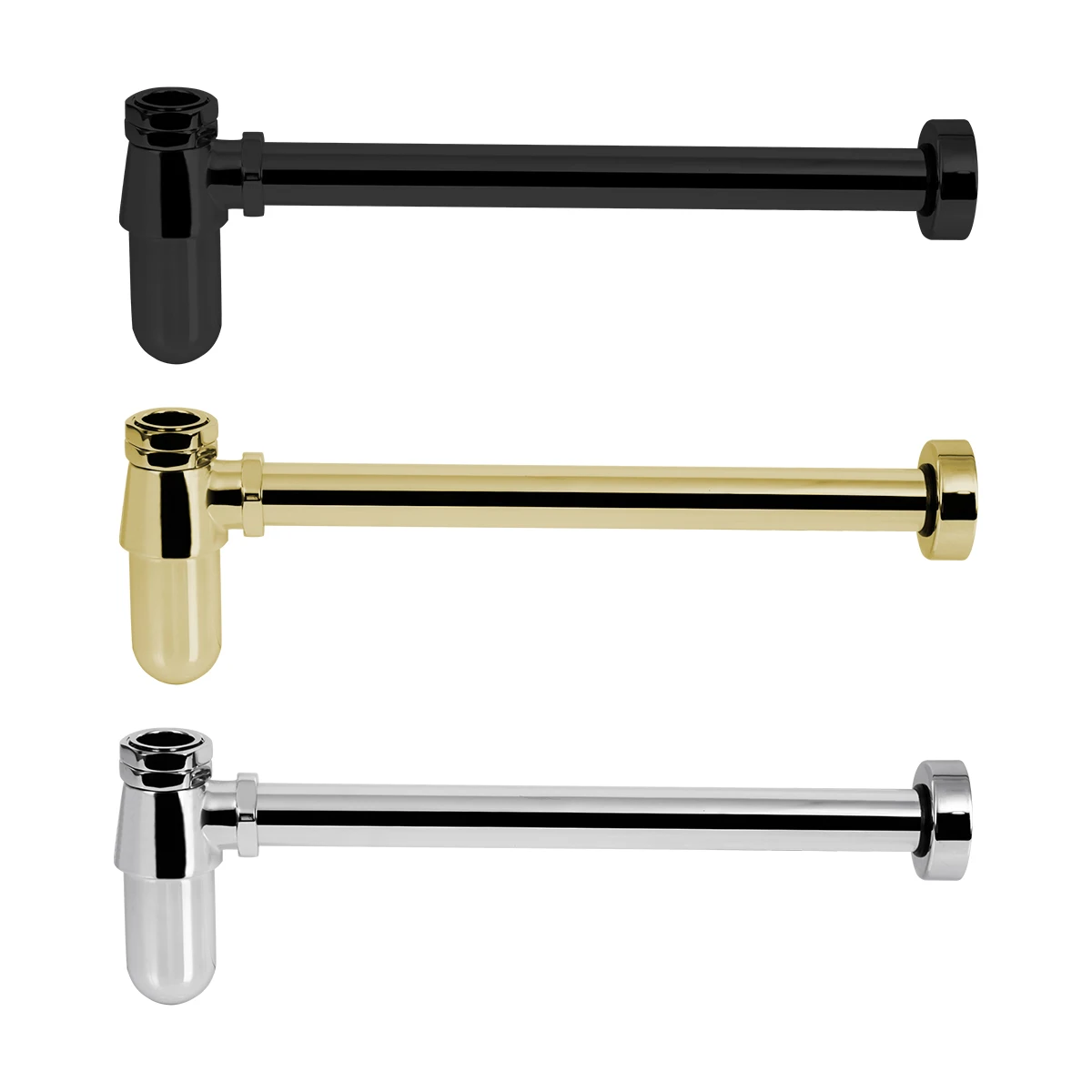
The European market for decorative hardware and plumbing fixtures continues to evolve with increasing demands for both aesthetic appeal and long-term durability. Modern manufacturers face critical decisions when selecting surface finishing technologies, particularly when choosing between PVD coating and traditional chrome plating methods. These two finishing processes offer distinct advantages and limitations that directly impact product performance, environmental compliance, and market acceptance across EU countries. Understanding the fundamental differences between these coating technologies becomes essential for businesses targeting European consumers who prioritize quality, sustainability, and design excellence in their purchasing decisions.
Understanding PVD Coating Technology
Physical Vapor Deposition Process Fundamentals
PVD coating represents an advanced vacuum-based deposition technology that creates extremely thin, yet highly durable surface layers on various substrate materials. The process operates within specialized vacuum chambers where target materials undergo vaporization through either thermal evaporation, sputtering, or arc evaporation methods. These vaporized particles then condense onto the substrate surface, forming uniform coatings with thicknesses typically ranging from 0.5 to 5 microns. The controlled environment ensures exceptional adhesion properties while maintaining precise chemical composition throughout the coating process.
The vacuum environment eliminates atmospheric contamination that commonly affects other coating methods, resulting in superior surface quality and consistency. Temperature control during PVD coating application remains relatively low compared to traditional plating processes, typically operating between 150°C to 500°C depending on specific requirements. This lower temperature processing protects substrate materials from thermal stress while enabling coating application on temperature-sensitive components. The precise control over deposition parameters allows manufacturers to achieve specific properties such as hardness, corrosion resistance, and optical characteristics tailored to particular applications.
Material Options and Performance Characteristics
PVD coating technology accommodates an extensive range of target materials, including titanium, chromium, aluminum, zirconium, and various compound materials like titanium nitride or chromium nitride. Each material selection provides distinct performance characteristics that address specific application requirements within the European market. Titanium-based PVD coating offers exceptional biocompatibility and corrosion resistance, making it ideal for medical devices and food-contact surfaces that must comply with strict EU regulations. The ability to combine multiple materials within single coating layers enables manufacturers to optimize properties such as wear resistance, aesthetic appeal, and chemical inertness.
The microstructure of PVD coating typically exhibits dense, columnar growth patterns that contribute to excellent adhesion and mechanical properties. Hardness values commonly exceed 1500 HV, significantly surpassing traditional electroplated finishes while maintaining excellent ductility and impact resistance. Surface roughness remains consistently low across large production runs, ensuring uniform appearance and tactile properties that meet European quality expectations. The coating density approaches theoretical maximum values, eliminating porosity issues that plague conventional plating methods and providing superior barrier protection against environmental factors.

Chrome Plating Process and Characteristics
Traditional Electroplating Methodology
Chrome plating utilizes electrochemical deposition processes that have served industrial applications for over a century, establishing proven track records in various manufacturing sectors. The process involves immersing components in chromic acid electrolyte solutions while applying controlled electrical current to deposit metallic chromium onto substrate surfaces. Multiple plating layers typically build up the final finish, beginning with copper or nickel base layers that provide corrosion protection and surface leveling, followed by decorative chromium topcoats that deliver the characteristic mirror-bright appearance associated with chrome finishes.
Temperature control during chrome plating operations typically ranges from 45°C to 60°C for decorative applications, with higher temperatures required for hard chrome industrial coatings. The electrochemical nature of the process demands careful monitoring of current density, electrolyte composition, and agitation patterns to achieve uniform coating thickness across complex geometries. Processing times vary considerably based on desired coating thickness, typically ranging from 30 minutes to several hours for decorative applications. The aqueous nature of chrome plating enables coating of intricate shapes and internal surfaces that may present challenges for line-of-sight coating methods.
Surface Quality and Aesthetic Properties
Chrome plating delivers exceptional optical properties characterized by high reflectivity and mirror-like surface finish that has defined luxury aesthetics across numerous product categories. The electroplated chromium surface exhibits excellent leveling properties that minimize substrate imperfections, creating smooth, uniform appearances even on moderately rough base materials. Color consistency remains excellent across production batches when proper process controls maintain electrolyte chemistry within specified parameters. The inherent brightness of chromium surfaces requires minimal post-processing, reducing manufacturing costs and production cycle times compared to alternative finishing methods.
Decorative chrome plating typically achieves coating thickness between 0.3 to 1.5 microns over nickel underplating layers, providing adequate corrosion protection for indoor applications while maintaining cost-effectiveness. The multi-layer structure enables repair and restoration possibilities that extend product lifecycle, particularly valuable for high-end architectural hardware and luxury automotive components. Surface hardness values typically range from 800 to 1000 HV, offering good wear resistance for moderate-duty applications while maintaining the ductility necessary for forming operations and mechanical assembly processes.
Environmental Impact and EU Regulations
Regulatory Compliance Requirements
European Union environmental regulations impose increasingly stringent restrictions on hexavalent chromium usage, directly impacting traditional chrome plating operations throughout member countries. The REACH (Registration, Evaluation, Authorisation and restriction of CHemicals) regulation requires extensive documentation and authorization processes for chromium compounds used in plating baths, significantly increasing compliance costs and operational complexity. RoHS (Restriction of Hazardous Substances) directives limit hexavalent chromium content in finished products, compelling manufacturers to implement comprehensive testing and certification procedures to ensure market access.
PVD coating processes generate minimal environmental impact since they operate without hazardous chemicals or electroplating solutions that require specialized waste treatment. The vacuum-based deposition eliminates liquid waste streams while consuming significantly less energy per coated part compared to traditional plating operations. Waste material consists primarily of recyclable target materials and minimal cleaning solvents, simplifying disposal procedures and reducing environmental liability. These environmental advantages align perfectly with EU sustainability initiatives and corporate environmental responsibility programs that increasingly influence procurement decisions across European markets.
Waste Management and Disposal Considerations
Chrome plating operations generate significant quantities of hazardous waste requiring specialized treatment and disposal procedures that add substantial costs to manufacturing operations. Spent plating solutions contain heavy metals and acidic compounds that necessitate neutralization, precipitation, and secure landfill disposal according to EU waste management directives. Rinse water treatment systems demand continuous monitoring and maintenance to ensure compliance with discharge standards, while sludge disposal costs continue escalating as landfill capacity diminishes across European regions.
The dry nature of PVD coating processes eliminates virtually all liquid waste streams, dramatically reducing environmental management requirements and associated costs. Target materials consumed during deposition can often be recycled or reclaimed, minimizing raw material waste while reducing overall environmental impact. Cleaning operations utilize standard industrial solvents in minimal quantities, generating waste volumes orders of magnitude smaller than comparable chrome plating facilities. These advantages become increasingly important as European environmental regulations continue tightening and disposal costs escalate across all member countries.
Performance Comparison in European Applications
Durability and Corrosion Resistance
European climate conditions present unique challenges for surface finishes due to varying humidity levels, temperature fluctuations, and exposure to road salt and industrial pollutants across different geographic regions. PVD coating demonstrates superior corrosion resistance in accelerated testing protocols that simulate European environmental conditions, typically achieving salt spray test results exceeding 1000 hours without visible corrosion. The dense, non-porous structure of PVD coating provides excellent barrier protection against moisture ingress and chemical attack, maintaining appearance and functionality throughout extended service periods.
Traditional chrome plating performance varies significantly depending on substrate preparation, underplating quality, and coating thickness uniformity achieved during production. Properly applied chrome finishes provide adequate corrosion protection for indoor applications and moderate outdoor exposure typical in Mediterranean climates. However, northern European conditions with frequent freeze-thaw cycles and road salt exposure often reveal performance limitations, particularly around edges and recessed areas where coating thickness may be reduced. The multi-layer structure can experience differential thermal expansion that may lead to cracking or delamination under severe temperature cycling conditions.
Aesthetic Longevity and Maintenance Requirements
PVD coating maintains consistent appearance characteristics throughout its service life, resisting tarnishing, discoloration, and surface degradation that commonly affect other finishing methods. The atomic-level bonding between coating and substrate prevents flaking or peeling failures even under mechanical stress or thermal cycling conditions. Color stability remains excellent under UV exposure, maintaining original appearance without yellowing or fading that may occur with organic coatings or anodized surfaces. The smooth, non-porous surface resists soil accumulation and simplifies cleaning procedures using standard household or commercial cleaning products.
Chrome plating exhibits excellent initial appearance but may show gradual degradation over time, particularly in high-traffic applications or harsh environmental conditions. The reflective surface can develop micro-scratches that accumulate to reduce overall brightness, while exposure to acidic cleaning products or atmospheric pollutants may cause localized corrosion or staining. Maintenance requirements increase over time as surface defects develop, potentially requiring polishing or refinishing procedures to restore original appearance. The susceptibility to mechanical damage means that chrome finishes may require more frequent replacement or refurbishment compared to PVD coating alternatives.
Cost Analysis for EU Market Applications
Initial Investment and Equipment Requirements
PVD coating equipment represents significant capital investment, with industrial-scale systems typically ranging from €500,000 to €2,000,000 depending on chamber size, automation level, and coating capability requirements. The sophisticated vacuum systems, high-voltage power supplies, and precision control equipment demand specialized technical expertise for operation and maintenance. However, the automated nature of PVD coating processes enables consistent quality output with minimal operator intervention once optimal parameters are established. Energy consumption remains relatively low due to batch processing efficiency and the absence of heating large volumes of plating solutions.
Chrome plating facilities require substantial infrastructure investment for waste treatment systems, ventilation equipment, and regulatory compliance measures that may exceed €200,000 to €500,000 for medium-scale operations. Ongoing operational costs include chemical replenishment, waste disposal fees, regulatory compliance monitoring, and specialized labor requirements for managing hazardous materials. Energy costs for maintaining plating bath temperatures and operating treatment systems add significant overhead expenses that continue throughout facility operation. The labor-intensive nature of chrome plating operations increases personnel costs while requiring specialized training for worker safety and environmental compliance.
Production Volume Economics
PVD coating economics favor medium to high production volumes where batch processing efficiency can be optimized through proper fixture design and process scheduling. Setup costs per batch remain relatively fixed regardless of part quantity, making high-volume production increasingly cost-effective as throughput increases. The absence of chemical consumption and waste treatment costs eliminates variable expenses that typically escalate with production volume in traditional plating operations. Quality consistency across large production runs reduces rejection rates and rework costs that commonly impact electroplating operations.
Chrome plating demonstrates cost advantages for low to medium production volumes, particularly for large parts or complex geometries that benefit from the solution-based deposition method. Variable costs scale directly with production volume through chemical consumption, waste generation, and energy usage, making high-volume operations progressively less economical. The established infrastructure and widespread availability of chrome plating services across Europe provide competitive pricing options for many applications. However, increasing regulatory compliance costs and environmental fees continue shifting the economic balance toward alternative finishing technologies for many European manufacturers.
Market Trends and Future Outlook
European Consumer Preferences
European consumers increasingly prioritize sustainability considerations alongside traditional quality and aesthetic criteria when making purchasing decisions across various product categories. Environmental certification programs and eco-labeling initiatives influence buying behavior, particularly in northern European markets where environmental consciousness ranks highly in consumer surveys. The superior environmental profile of PVD coating aligns with these trends, providing marketing advantages for manufacturers targeting environmentally conscious European consumers who value responsible manufacturing practices.
Design trends across European markets show growing appreciation for diverse finish options beyond traditional chrome appearances, creating opportunities for PVD coating applications that offer unique colors and textures not achievable through conventional plating methods. The ability to create matte, satin, or colored finishes using PVD coating technology enables product differentiation strategies that appeal to European design sensibilities valuing individuality and customization. Luxury market segments particularly value the premium positioning associated with advanced coating technologies, justifying higher selling prices that offset increased manufacturing costs.
Technological Development Trajectories
Ongoing research and development in PVD coating technology focuses on reducing equipment costs, improving deposition rates, and expanding material options to address broader application ranges. Emerging hybrid processes combine PVD coating with other surface treatment methods to achieve enhanced property combinations not possible with single-process approaches. Automation advances continue reducing labor requirements while improving process repeatability and quality consistency that meet increasingly demanding European quality standards.
Chrome plating technology development emphasizes trivalent chromium alternatives that eliminate hexavalent chromium compounds while maintaining similar appearance characteristics and performance properties. Advanced electrolyte formulations and process control systems aim to improve coating uniformity and reduce environmental impact through more efficient chemical utilization. However, fundamental limitations of electrochemical deposition processes constrain the potential for revolutionary improvements compared to the rapid advancement observed in vacuum-based coating technologies like PVD coating applications.
FAQ
What makes PVD coating more environmentally friendly than chrome plating for European applications
PVD coating eliminates the use of hexavalent chromium compounds and hazardous chemicals that are heavily regulated under EU environmental directives. The process generates minimal waste, operates without liquid effluents requiring treatment, and consumes less energy per coated part. This environmental advantage aligns with EU sustainability goals and reduces regulatory compliance costs for manufacturers operating in European markets.
How does the durability of PVD coating compare to chrome plating in European climate conditions
PVD coating typically demonstrates superior corrosion resistance and longevity compared to chrome plating when exposed to European climate variations including freeze-thaw cycles, humidity fluctuations, and road salt exposure. The dense, non-porous structure provides better barrier protection while maintaining consistent appearance throughout extended service periods without requiring frequent maintenance or refinishing.
What are the cost implications of switching from chrome plating to PVD coating for European manufacturers
While PVD coating equipment requires higher initial capital investment, operational costs typically decrease due to eliminated waste treatment expenses, reduced chemical consumption, and lower regulatory compliance requirements. The cost-effectiveness improves with higher production volumes, making PVD coating increasingly attractive for medium to large-scale manufacturing operations targeting European markets.
Which industries in Europe are driving the adoption of PVD coating over traditional chrome plating
Automotive, architectural hardware, luxury goods, and medical device industries lead PVD coating adoption in Europe due to stringent environmental regulations, durability requirements, and aesthetic demands. These sectors value the superior performance characteristics and environmental compliance advantages that PVD coating provides while meeting increasingly demanding European quality standards and consumer expectations for sustainable manufacturing practices.
Table of Contents
- Understanding PVD Coating Technology
- Chrome Plating Process and Characteristics
- Environmental Impact and EU Regulations
- Performance Comparison in European Applications
- Cost Analysis for EU Market Applications
- Market Trends and Future Outlook
-
FAQ
- What makes PVD coating more environmentally friendly than chrome plating for European applications
- How does the durability of PVD coating compare to chrome plating in European climate conditions
- What are the cost implications of switching from chrome plating to PVD coating for European manufacturers
- Which industries in Europe are driving the adoption of PVD coating over traditional chrome plating