 EN
EN


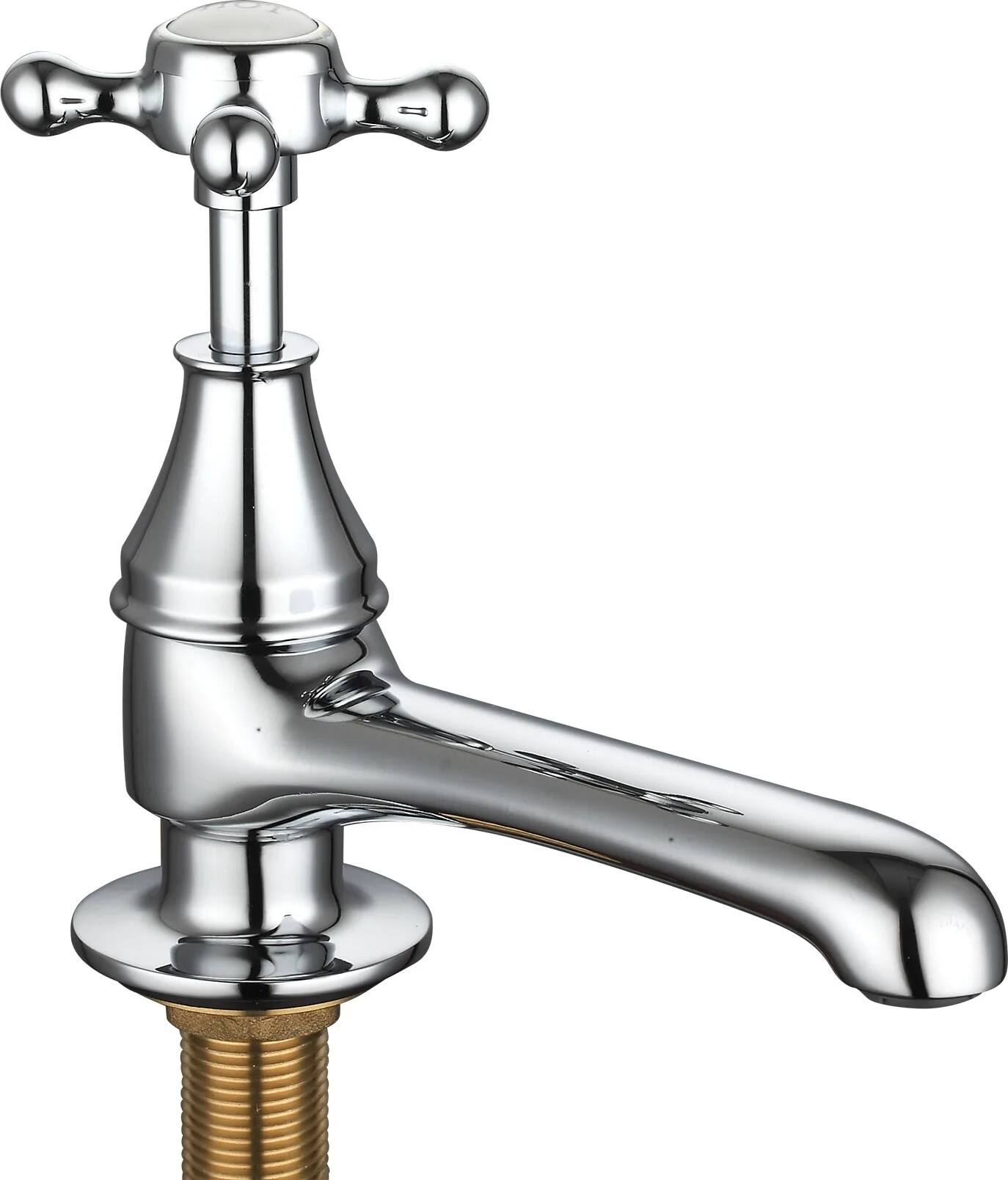
Selecting the right bathroom faucet supplier for your business requires careful consideration of multiple factors, with ethical compliance and certification standards playing an increasingly important role in today's market. When evaluating potential suppliers, businesses must look beyond basic product quality and pricing to assess comprehensive certification credentials that demonstrate commitment to ethical business practices. A reputable bathroom faucet supplier should possess various industry certifications, including Sedex certification, which validates their adherence to responsible business practices and supply chain transparency.
Understanding the significance of Sedex certification helps procurement professionals make informed decisions when establishing long-term partnerships with suppliers. This certification framework ensures that your chosen bathroom faucet supplier operates under stringent ethical guidelines, protecting both your business reputation and supporting sustainable industry practices. The selection process involves analyzing technical capabilities, quality assurance systems, and certification portfolios to identify suppliers who can meet both immediate requirements and future business growth objectives.
Understanding Sedex Certification Standards
Core Principles of Sedex Certification
Sedex certification represents a comprehensive framework that evaluates suppliers across four key pillars: labor standards, health and safety, environment, and business ethics. For any bathroom faucet supplier seeking this certification, they must demonstrate compliance with international standards that protect workers, minimize environmental impact, and maintain transparent business operations. The certification process involves rigorous auditing procedures that assess everything from workplace conditions to environmental management systems, ensuring that certified suppliers operate responsibly throughout their entire value chain.
The labor standards component requires bathroom faucet supplier companies to eliminate forced labor, child labor, and discrimination while ensuring fair wages and reasonable working hours. Health and safety requirements mandate comprehensive safety protocols, proper equipment maintenance, and worker training programs that minimize workplace hazards. Environmental criteria evaluate waste management, energy efficiency, water conservation, and chemical handling procedures to ensure sustainable manufacturing practices.
Benefits of Working with Sedex-Certified Suppliers
Partnering with a Sedex-certified bathroom faucet supplier provides numerous advantages that extend beyond basic compliance requirements. These suppliers typically demonstrate higher operational standards, reduced supply chain risks, and improved product consistency due to their commitment to systematic quality management approaches. The certification process encourages continuous improvement initiatives that often result in enhanced manufacturing efficiency and product innovation capabilities.
Risk mitigation represents another significant benefit, as Sedex-certified suppliers undergo regular audits that identify and address potential issues before they impact business operations. This proactive approach helps prevent supply chain disruptions, quality problems, and reputation risks that could affect your business relationships with end customers. Additionally, working with certified suppliers supports your company's corporate social responsibility initiatives and sustainability goals.
Evaluating Technical Capabilities and Quality Systems
Manufacturing Infrastructure Assessment
A competent bathroom faucet supplier must possess advanced manufacturing infrastructure capable of producing high-quality products consistently. This includes state-of-the-art machining equipment, precision casting facilities, and automated assembly lines that ensure dimensional accuracy and surface finish quality. The supplier's production capacity should align with your volume requirements while maintaining flexibility to accommodate seasonal demand fluctuations and product customization needs.
Quality control systems represent another critical evaluation criterion, requiring comprehensive testing laboratories equipped with pressure testing equipment, flow rate measurement systems, and material analysis capabilities. The bathroom faucet supplier should implement statistical process control methodologies that monitor key quality parameters throughout the production process, preventing defective products from reaching customers and maintaining consistent performance standards.
Product Development and Innovation Capabilities
Modern bathroom faucet supplier companies should demonstrate strong research and development capabilities that enable them to stay current with market trends and technological advancements. This includes dedicated design teams, prototype development facilities, and testing capabilities that support new product introduction processes. Suppliers with robust innovation programs can provide valuable input during product development phases and offer customization options that differentiate your products in the marketplace.
Technical expertise in areas such as water-saving technologies, smart connectivity features, and advanced materials science becomes increasingly important as consumer preferences evolve toward more sophisticated bathroom fixtures. The supplier's ability to integrate these technologies while maintaining product reliability and cost-effectiveness directly impacts your competitive positioning in the market.

Supply Chain Management and Logistics Considerations
Inventory Management and Lead Time Optimization
Effective supply chain management capabilities distinguish exceptional bathroom faucet supplier partners from basic manufacturers. This includes sophisticated inventory management systems that maintain optimal stock levels while minimizing carrying costs and avoiding stockouts. The supplier should provide accurate lead time forecasts and maintain buffer inventory for critical components to ensure consistent product availability during peak demand periods.
Advanced planning systems enable bathroom faucet supplier companies to coordinate production schedules with customer requirements, reducing order fulfillment times and improving overall supply chain efficiency. These systems should integrate with customer ordering platforms to provide real-time visibility into order status, shipping schedules, and delivery confirmations that support effective business planning processes.
Global Distribution and Shipping Capabilities
International business operations require bathroom faucet supplier partners with comprehensive global distribution networks and shipping expertise. This includes relationships with reliable freight forwarders, understanding of international trade regulations, and experience managing customs clearance procedures for different markets. The supplier should provide flexible shipping options that balance cost considerations with delivery time requirements.
Packaging expertise becomes particularly important for bathroom fixtures due to their weight and fragility considerations. The bathroom faucet supplier should design protective packaging systems that minimize damage during transit while optimizing shipping costs through efficient space utilization. Additionally, sustainable packaging materials and design approaches support environmental responsibility initiatives.
Financial Stability and Business Partnership Evaluation
Financial Health Assessment
Evaluating the financial stability of potential bathroom faucet supplier partners protects against supply chain disruptions caused by business failures or financial difficulties. This assessment includes reviewing financial statements, credit ratings, and payment history to ensure the supplier maintains adequate working capital and operational stability. Strong financial health indicators suggest the supplier can invest in continuous improvement initiatives and weather economic uncertainties without compromising service levels.
Long-term viability considerations include the supplier's growth trajectory, market position, and strategic planning capabilities that ensure sustained competitiveness. A financially stable bathroom faucet supplier can provide consistent pricing, maintain quality standards, and support collaborative development projects that require significant upfront investments.
Communication and Relationship Management
Effective communication capabilities and relationship management approaches significantly impact the success of supplier partnerships. The bathroom faucet supplier should maintain dedicated account management teams with technical expertise and language proficiency that facilitate clear communication across all business functions. Regular business reviews, performance reporting, and collaborative problem-solving approaches demonstrate commitment to partnership success.
Cultural compatibility and business philosophy alignment contribute to smooth working relationships and mutual understanding of objectives. The bathroom faucet supplier should demonstrate flexibility in adapting to customer requirements while maintaining transparency in all business dealings. Strong relationship management creates opportunities for joint innovation projects and preferential treatment during capacity constraints.
Certification Verification and Due Diligence Process
Documentation Review and Audit Procedures
Thorough verification of Sedex certification and other quality credentials requires systematic documentation review and on-site audit procedures. The bathroom faucet supplier should provide complete certification documentation, audit reports, and corrective action records that demonstrate ongoing compliance with certification requirements. Independent verification through third-party auditing services provides additional assurance of certification validity and implementation effectiveness.
Site visits and facility inspections offer valuable insights into actual operating conditions and implementation of certified processes. These visits should evaluate production facilities, quality control laboratories, worker conditions, and environmental management systems to ensure alignment with certification standards and business requirements.
Ongoing Monitoring and Performance Management
Establishing ongoing monitoring systems ensures continued compliance and performance excellence from your chosen bathroom faucet supplier. This includes regular performance reviews, quality audits, and certification renewal tracking that identify potential issues before they impact business operations. Key performance indicators should cover quality metrics, delivery performance, customer service responsiveness, and continuous improvement initiatives.
Collaborative improvement programs encourage bathroom faucet supplier partners to invest in capability enhancement and innovation initiatives that benefit both parties. These programs might include joint training initiatives, technology sharing agreements, and co-development projects that strengthen the partnership relationship while driving competitive advantages.
FAQ
What specific documentation should I request to verify Sedex certification?
Request the complete Sedex certificate, recent audit reports, corrective action plans for any non-conformances, and evidence of ongoing monitoring activities. The bathroom faucet supplier should also provide their Sedex member number for independent verification through the Sedex platform. Additionally, ask for documentation of their four-pillar compliance covering labor, health and safety, environment, and business ethics.
How often should Sedex certifications be renewed and audited?
Sedex certifications typically require annual renewals with full re-audits conducted every three years. However, surveillance audits may occur more frequently to ensure ongoing compliance. Your bathroom faucet supplier should maintain current certification status and provide advance notice of upcoming renewal activities. Monitor their certification status regularly to avoid supply chain disruptions due to lapses.
What are the key quality standards I should expect from certified suppliers?
Expect comprehensive quality management systems including ISO 9001 certification, advanced testing capabilities, statistical process control implementation, and continuous improvement programs. The bathroom faucet supplier should maintain detailed quality documentation, provide regular performance reports, and demonstrate capability for handling customer-specific quality requirements. Product testing should cover flow rates, pressure resistance, durability, and material compliance.
How can I assess the long-term viability of a bathroom faucet supplier?
Evaluate financial stability through credit reports and financial statements, assess their market position and growth trajectory, review their customer base diversity, and examine their investment in technology and facility improvements. The bathroom faucet supplier should demonstrate sustainable business practices, strong management capabilities, and strategic planning processes that support long-term partnership success. Consider their ability to adapt to market changes and regulatory requirements.