 EN
EN


Modern bathroom design has evolved significantly over the past decade, with homeowners increasingly prioritizing both functionality and aesthetic appeal in their fixture selections. Among the most transformative elements in contemporary bathroom renovations is the shower experience itself, where the choice of shower head can dramatically impact both the visual appeal and daily user experience. The stainless steel rain shower has emerged as a leading preference for discerning homeowners who seek to combine durability with luxurious functionality. This comprehensive guide explores the most popular shower head designs that are defining modern bathroom aesthetics and functionality today.
Contemporary Rain Shower Systems Leading the Market
Ultra-Wide Rainfall Designs
The ultra-wide rainfall design represents the pinnacle of modern shower technology, offering an immersive experience that mimics natural precipitation. These systems typically feature heads ranging from 12 to 24 inches in diameter, providing comprehensive coverage that transforms the daily shower routine into a spa-like experience. The popularity of these designs stems from their ability to create a uniform water distribution pattern that envelops the user completely. Many manufacturers are now incorporating advanced engineering techniques to ensure optimal water pressure across the entire surface area, addressing previous concerns about reduced flow in larger heads.
Premium models in this category often feature innovative water-saving technologies that maintain the luxurious feel while reducing consumption by up to 30% compared to traditional designs. The engineering behind these systems involves precise nozzle placement and internal flow dynamics that create the perfect balance between water conservation and user satisfaction. Interior designers frequently recommend these systems for master bathroom renovations where creating a resort-like atmosphere is a primary objective.
Ceiling-Mounted Configurations
Ceiling-mounted rainfall systems have gained tremendous popularity among homeowners seeking to maximize the dramatic effect of their shower experience. These installations position the shower head directly overhead, typically at heights ranging from 8 to 10 feet, creating a completely vertical water flow that closely mimics natural rainfall. The stainless steel rain shower variants in this configuration are particularly sought after due to their resistance to mineral buildup and their ability to maintain their lustrous appearance over time.
The installation process for ceiling-mounted systems requires careful planning of plumbing infrastructure, but the visual impact and user experience justify the additional complexity. Many modern homes are being designed with dedicated shower alcoves specifically to accommodate these systems, recognizing their role as both functional fixtures and architectural focal points. The clean lines and minimal profile of ceiling-mounted designs align perfectly with contemporary minimalist design principles that emphasize simplicity and elegance.
Multi-Function Shower Head Innovations
Dual-Head Configuration Systems
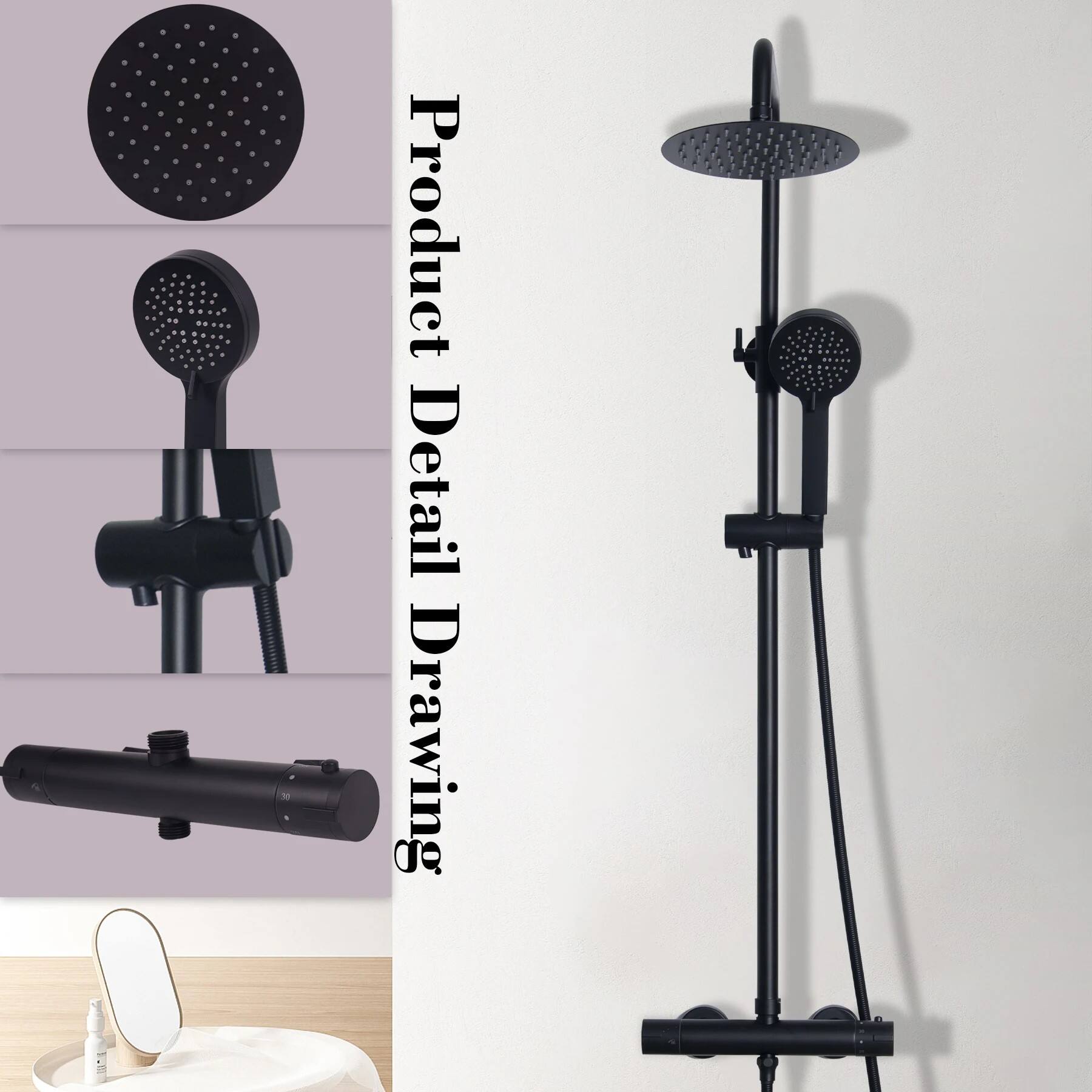
The dual-head configuration has emerged as one of the most practical and popular choices for modern bathrooms, combining the luxury of a large rain shower head with the versatility of a handheld unit. These systems typically feature a primary overhead stainless steel rain shower component paired with a secondary handheld shower that can be detached for targeted cleaning and rinsing. This configuration addresses the diverse needs of different household members while maximizing the functionality of the shower space.
Advanced dual-head systems incorporate independent control mechanisms that allow users to operate each shower head separately or simultaneously, depending on their preferences and water pressure capabilities. The engineering behind these systems ensures that water pressure remains consistent across both heads, eliminating the common problem of reduced flow when multiple outlets are active. Many homeowners appreciate the flexibility these systems provide for everything from daily personal hygiene routines to cleaning the shower enclosure itself.
Smart Technology Integration
The integration of smart technology into shower head designs represents one of the most significant trends in modern bathroom fixtures. Smart-enabled rain shower systems allow users to control temperature, pressure, and spray patterns through smartphone applications or voice commands. These systems often include memory functions that can store individual user preferences, making it possible for household members to instantly recall their preferred shower settings with the touch of a button.
Temperature control technology has advanced considerably, with many smart shower heads now featuring precise digital thermostats that maintain water temperature within one degree of the desired setting. Safety features such as automatic shutoff mechanisms and maximum temperature limiters provide additional peace of mind for families with children. The stainless steel rain shower models incorporating smart technology represent the convergence of traditional craftsmanship with cutting-edge innovation, offering both aesthetic appeal and advanced functionality.
Material Excellence and Durability Factors
Stainless Steel Advantages
Stainless steel has become the material of choice for premium rain shower systems due to its exceptional durability and resistance to corrosion. The chromium content in high-quality stainless steel creates a protective oxide layer that prevents rust and maintains the fixture's appearance over decades of use. This material choice is particularly important in shower applications where exposure to water, soap, and cleaning chemicals is constant. The non-porous surface of stainless steel also inhibits bacterial growth, making it an ideal choice for health-conscious homeowners.
Beyond its practical advantages, stainless steel offers design flexibility that appeals to modern aesthetic preferences. The material can be finished in various ways, from brushed surfaces that hide water spots and fingerprints to polished finishes that create mirror-like reflections. The neutral appearance of a stainless steel rain shower complements virtually any color scheme or design style, making it a versatile choice for both contemporary and transitional bathroom designs. Many manufacturers are now offering specialized coatings that enhance the material's natural properties while adding unique visual elements.
Manufacturing Quality Standards
The manufacturing quality of modern shower heads has reached unprecedented levels, with leading producers implementing rigorous testing protocols that ensure long-term performance and reliability. Quality stainless steel rain shower systems undergo extensive pressure testing, corrosion resistance evaluation, and durability assessments that simulate years of typical use. These testing procedures help identify potential failure points and guide design improvements that enhance overall product longevity.
Precision manufacturing techniques, including computer-controlled machining and automated quality inspection, ensure consistent performance across production runs. The nozzle design and placement in premium rain shower heads requires exceptional precision to achieve optimal water distribution patterns. Many manufacturers now provide detailed specifications about water flow rates, pressure requirements, and expected service life, helping consumers make informed decisions based on their specific needs and expectations.
Installation Considerations and Design Integration
Plumbing Infrastructure Requirements
The installation of a premium stainless steel rain shower system requires careful consideration of existing plumbing infrastructure and may necessitate significant modifications to accommodate the increased water volume and pressure requirements. Most rain shower systems perform optimally with water pressure between 45 and 80 PSI, which may exceed the capacity of older plumbing systems. Professional assessment of current water pressure and flow rates is essential before committing to a particular shower head design.
Ceiling-mounted installations present additional challenges that require expertise in both plumbing and structural considerations. The weight of large rain shower heads, particularly when filled with water during operation, requires adequate support structures within the ceiling framework. Many installations also require the relocation of water supply lines to achieve the desired aesthetic effect, which can significantly impact project costs and timelines.
Bathroom Design Compatibility
The integration of a large rain shower system into existing bathroom layouts requires careful consideration of spatial relationships and user accessibility. The effective coverage area of most stainless steel rain shower systems extends beyond the footprint of the shower head itself, requiring adequate shower enclosure dimensions to prevent water from splashing outside the designated area. Design professionals typically recommend minimum enclosure dimensions of 36 by 48 inches for optimal rain shower performance.
Lighting design plays a crucial role in showcasing the dramatic effect of rain shower systems, with many homeowners incorporating recessed ceiling lights or LED accent lighting to highlight the water flow patterns. The reflective properties of stainless steel surfaces can enhance lighting effects, creating dynamic visual elements that change throughout the shower experience. Proper ventilation becomes even more critical with large rain shower systems due to the increased moisture production compared to traditional shower heads.
Maintenance and Long-Term Performance
Cleaning and Care Protocols
Maintaining the appearance and performance of a stainless steel rain shower requires adherence to specific cleaning and care protocols that preserve the material's natural properties while preventing mineral buildup and discoloration. Regular cleaning with mild, non-abrasive cleaners helps maintain the lustrous appearance while preventing the accumulation of soap scum and hard water deposits. The large surface area of rain shower heads requires more attention than traditional fixtures, but the smooth stainless steel surface facilitates easier cleaning compared to textured or painted alternatives.
Professional maintenance services often recommend quarterly deep cleaning procedures that include descaling treatments to remove mineral deposits from internal components. The design of quality rain shower systems typically includes removable nozzle components that can be cleaned individually, ensuring optimal water flow patterns over time. Many manufacturers provide specific maintenance guidelines that help preserve warranty coverage while maximizing the operational lifespan of the fixture.
Performance Optimization Strategies
Optimizing the performance of a stainless steel rain shower system involves understanding the relationship between water pressure, flow rate, and spray pattern consistency. Regular monitoring of water pressure can help identify potential issues with supply lines or internal components before they impact the shower experience. Many homeowners install water pressure regulators specifically for their rain shower systems to ensure consistent performance regardless of variations in municipal water supply.
Filter systems designed for shower applications can significantly extend the life of rain shower components while improving water quality for users. These systems remove chlorine, sediment, and other contaminants that can affect both the performance of the shower head and the quality of the shower experience. The investment in filtration typically pays dividends through reduced maintenance requirements and extended fixture lifespan.
FAQ
What size rain shower head is most popular for residential installations
The most popular size for residential rain shower heads ranges from 8 to 12 inches in diameter, with 10-inch models being the most common choice. This size provides excellent coverage for most users while maintaining adequate water pressure in typical home plumbing systems. Larger sizes require higher water pressure and flow rates that may not be available in all installations.
How does a stainless steel rain shower compare to other materials in terms of durability
Stainless steel rain shower systems typically outlast alternatives like brass, plastic, or chrome-plated options by decades when properly maintained. The corrosion resistance and non-porous surface properties of stainless steel prevent the degradation commonly seen in other materials. While the initial investment may be higher, the long-term value proposition strongly favors stainless steel construction.
What water pressure is required for optimal rain shower performance
Most rain shower systems require minimum water pressure of 45 PSI for adequate performance, with optimal results occurring between 60 and 80 PSI. Homes with lower pressure may require the installation of pressure booster systems or the selection of shower heads specifically designed for low-pressure applications. Professional evaluation of existing water pressure is recommended before installation.
Can rain shower systems be retrofitted into existing bathrooms
Rain shower systems can often be retrofitted into existing bathrooms, though the complexity and cost vary significantly depending on current plumbing configuration and ceiling structure. Wall-mounted rain shower heads are generally easier to install than ceiling-mounted systems, which may require extensive plumbing modifications and structural reinforcement. Professional consultation is essential to determine feasibility and cost implications.