 EN
EN


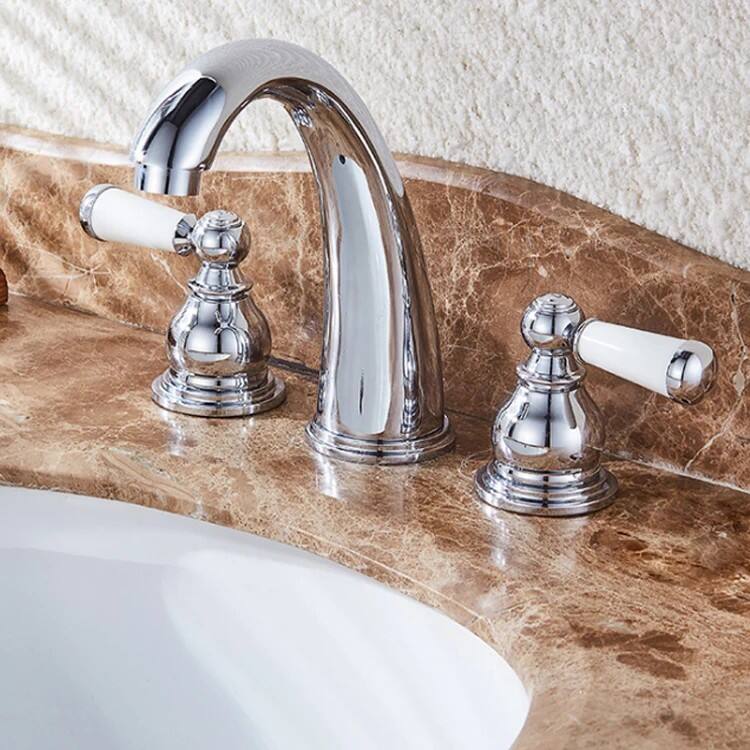
Essential Considerations for Commercial Basin Tap Selection
Selecting the right basin tap for large-scale commercial projects or high-traffic facilities requires careful consideration of multiple factors. The choice impacts not only the immediate functionality but also long-term maintenance costs and user satisfaction. Whether you're outfitting a shopping mall, airport, hospital, or educational institution, the basin tap selection process demands a strategic approach that balances durability, efficiency, and user experience.
Modern basin tap solutions have evolved significantly, incorporating advanced technologies and sustainable features that cater specifically to commercial applications. From sensor-operated systems to water-saving mechanisms, today's options offer unprecedented control over water consumption while maintaining optimal performance under heavy usage conditions.
Technical Specifications and Performance Requirements
Flow Rate and Water Pressure Optimization
The flow rate of a basin tap is crucial for commercial installations, particularly in high-traffic areas. Standard flow rates typically range between 1.5 to 2.2 gallons per minute (GPM), but commercial settings may require adjustments based on specific needs. A properly calibrated basin tap should deliver sufficient water volume while maintaining pressure consistency, even during peak usage periods.
Water pressure considerations are equally important, as commercial facilities often experience fluctuating pressure levels throughout the day. Modern basin tap designs incorporate pressure-compensating aerators and regulators that maintain consistent flow regardless of incoming pressure variations. This feature ensures user satisfaction while preventing water wastage and potential system damage.
Material Quality and Durability Standards
Commercial basin taps must withstand constant use and potential abuse. High-grade brass construction with chrome or PVD finishing offers superior durability and resistance to corrosion. The internal components, including cartridges and valves, should be ceramic-based or made from advanced composites that can handle millions of operation cycles.
Surface treatments and finishing options play a vital role in both aesthetics and longevity. Physical Vapor Deposition (PVD) finishes provide exceptional wear resistance and maintain their appearance even in challenging environments. When selecting a basin tap, verify the manufacturer's testing procedures and compliance with international durability standards.
Water Efficiency and Sustainability Features
Smart Flow Control Technologies
Modern basin taps incorporate various water-saving technologies that are particularly beneficial for large-volume installations. Aerators mix air with water to maintain perceived flow while reducing actual water consumption. Some advanced models feature dynamic flow adjustment, automatically optimizing water usage based on real-time demand patterns.
Sensor-operated basin taps represent the pinnacle of water efficiency in commercial settings. These systems eliminate the possibility of taps being left running and can be programmed with maximum run times. Additionally, some models offer adjustable sensor ranges and flow durations to accommodate different installation environments.
Environmental Certification and Compliance
When selecting basin taps for commercial projects, environmental certifications provide valuable guidance. Look for products that meet or exceed WELS ratings and other recognized environmental standards. Many jurisdictions now require specific water efficiency ratings for commercial installations, making compliance a crucial consideration.
Beyond basic compliance, leading basin tap manufacturers are incorporating innovative water-saving features. These might include flow restrictors, dual-flow modes, and smart metering capabilities that help facility managers monitor and optimize water consumption patterns.
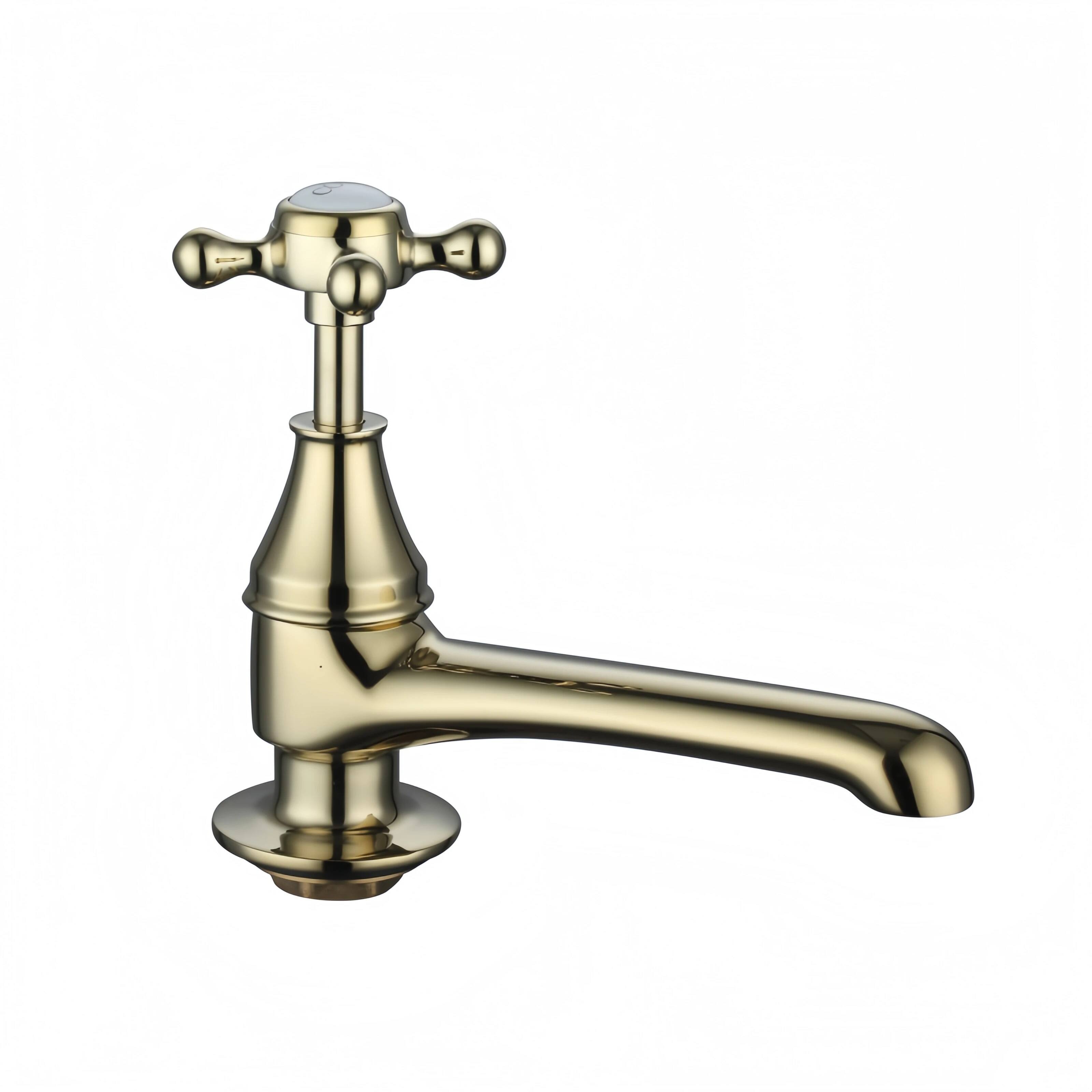
Installation and Maintenance Considerations
Ease of Installation and Servicing
Commercial basin taps should feature designs that facilitate quick installation and straightforward maintenance. Look for models with easily accessible components and standardized fittings that simplify both initial installation and routine servicing. Some manufacturers offer modular designs where key components can be replaced without removing the entire fixture.
Consider the availability of spare parts and the manufacturer's support network when selecting basin taps for large projects. A robust supply chain for replacement components and responsive technical support can significantly reduce maintenance downtime and associated costs.
Long-term Maintenance Planning
Develop a comprehensive maintenance strategy before finalizing your basin tap selection. This should include regular inspection schedules, cleaning protocols, and preventive maintenance procedures. Some advanced models feature self-diagnostic capabilities and maintenance indicators that help facility managers proactively address potential issues.
Documentation and training requirements should also factor into the selection process. Ensure that maintenance staff can easily access technical information and receive proper training on the specific models installed. This investment in knowledge transfer can significantly extend the lifespan of your basin tap installation.
Cost Analysis and Return on Investment
Initial Investment Considerations
While premium basin taps may require a higher upfront investment, their extended durability and reduced maintenance requirements often result in lower total ownership costs. Calculate the expected lifespan and factor in potential water savings when evaluating different options. High-quality basin taps typically offer superior performance and reliability, justifying their initial cost premium in commercial applications.
Consider volume pricing and potential bulk purchase discounts when planning large installations. Many manufacturers offer special pricing for commercial projects, and some may provide additional warranty coverage or service agreements for large-volume purchases.
Operational Cost Analysis
Evaluate the long-term operational costs associated with different basin tap options. This includes water consumption, energy usage for hot water systems, and projected maintenance expenses. Advanced models with water-saving features may command higher prices but can deliver substantial operational savings over time.
Factor in the potential impact on utility bills and maintenance staffing requirements. Smart basin taps with monitoring capabilities can help optimize resource allocation and reduce unnecessary service calls, contributing to lower operational costs.
Frequently Asked Questions
What is the ideal flow rate for commercial basin taps?
The ideal flow rate typically ranges from 1.5 to 2.2 GPM for commercial applications, though specific requirements may vary based on the facility type and local regulations. High-traffic areas might benefit from adjustable flow rates to accommodate different usage patterns throughout the day.
How often should commercial basin taps be serviced?
Commercial basin taps should undergo basic inspection monthly and comprehensive servicing every 6-12 months, depending on usage levels and water quality. Sensor-operated models may require additional electronic system checks and battery replacement according to manufacturer specifications.
Are sensor-operated basin taps worth the investment for commercial projects?
Sensor-operated basin taps typically offer excellent return on investment for commercial installations through reduced water consumption, improved hygiene, and lower maintenance requirements. They are particularly valuable in high-traffic areas where manual taps might be left running or subject to excessive wear.
What warranty coverage should I expect for commercial basin taps?
Quality commercial basin taps typically come with warranties ranging from 5 to 10 years for mechanical components and 1 to 3 years for electronic parts. Some manufacturers offer extended warranty options for large-volume installations or premium products.