 EN
EN


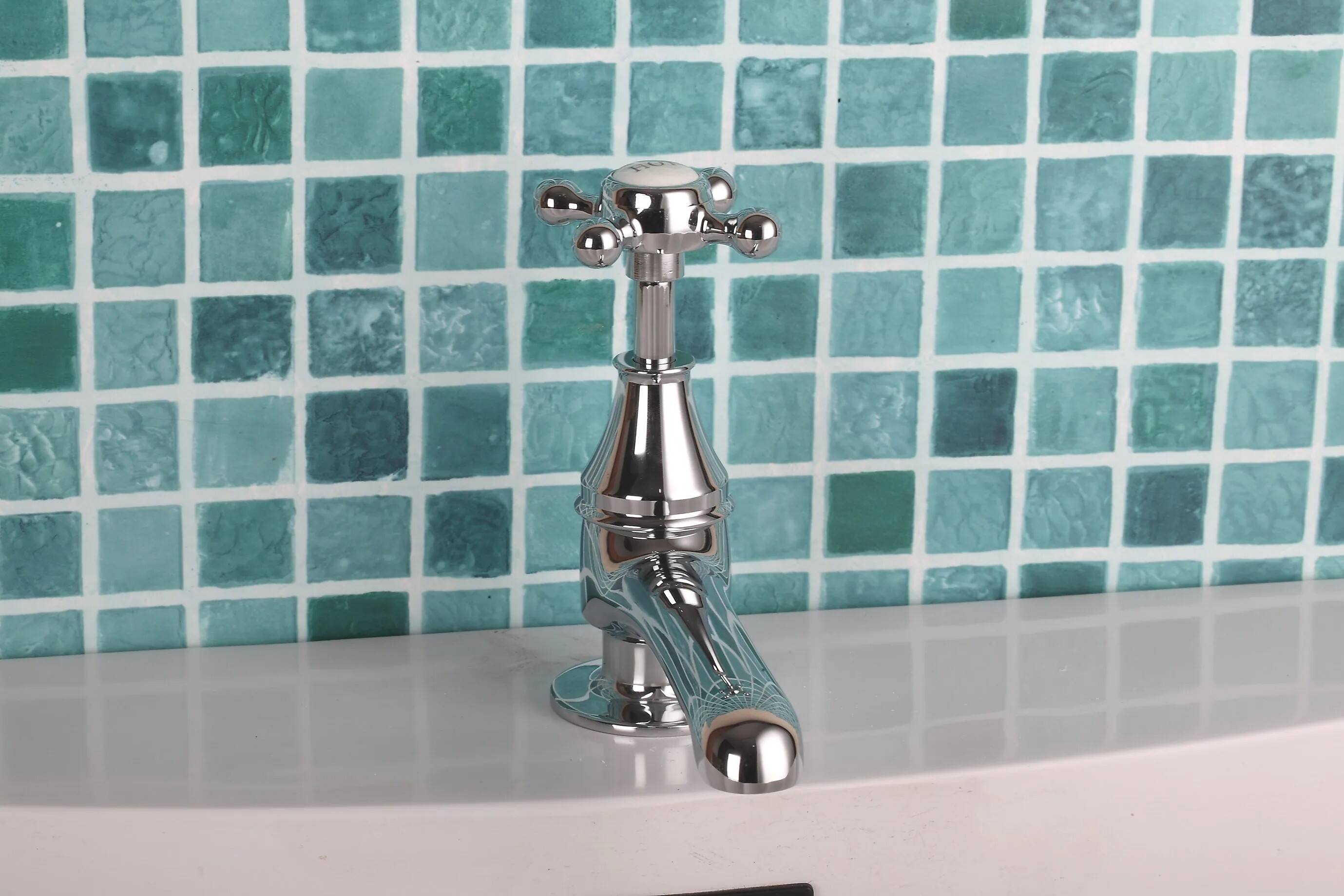
Essential Characteristics of Premium Basin Taps for Commercial Applications
When undertaking significant commercial projects or planning for long-term installations, selecting the right basin tap becomes a critical decision that impacts both immediate functionality and future maintenance costs. The choice of basin tap can dramatically influence user satisfaction, operational efficiency, and the overall success of large-scale installations. Modern basin taps have evolved significantly, incorporating advanced features that cater specifically to the demands of high-traffic environments and extended use scenarios.
Commercial properties, whether hotels, office buildings, or public facilities, require basin taps that can withstand constant use while maintaining performance and aesthetic appeal. Understanding these requirements helps project managers and facility owners make informed decisions that ensure long-term value and reliability.
Durability and Material Considerations
Premium Material Selection
The foundation of any long-lasting basin tap lies in its material composition. High-grade brass remains the industry standard, offering exceptional durability and corrosion resistance. Modern manufacturing processes incorporate specialized alloys that enhance the tap's longevity while maintaining its pristine appearance even after years of use. The choice of material directly impacts the tap's ability to withstand varying water conditions and frequent use.
Surface treatments and finishes play a crucial role in maintaining the basin tap's appearance and functionality. PVD (Physical Vapor Deposition) coating technology provides superior scratch resistance and color stability compared to traditional chrome plating, making it ideal for high-traffic installations.
Internal Component Quality
The internal mechanics of a basin tap determine its operational reliability. Ceramic disc cartridges have become the gold standard, offering smooth operation and minimal wear compared to traditional rubber washers. These components should be certified for hundreds of thousands of cycles, ensuring years of trouble-free service in demanding environments.
Advanced sealing technologies and precision-engineered components work together to prevent leaks and maintain consistent performance. This attention to internal quality translates to reduced maintenance requirements and lower long-term ownership costs.
Water Efficiency and Sustainability Features
Flow Rate Optimization
Modern basin taps incorporate sophisticated flow regulators that optimize water consumption without compromising user experience. These systems can maintain consistent flow rates regardless of pressure fluctuations, ensuring efficient operation across large installations. The best models achieve water savings of up to 60% compared to conventional taps while maintaining effective hand washing performance.
Advanced aerator designs mix air with water to create a full-feeling flow while using less water. This technology is particularly valuable in large-scale projects where water consumption directly impacts operational costs and environmental footprint.
Environmental Certification Standards
Leading basin tap manufacturers now prioritize environmental certifications that validate their products' sustainability credentials. These certifications consider factors such as water efficiency, material recyclability, and manufacturing processes. For large projects, selecting taps with recognized environmental certifications can contribute to building sustainability ratings and demonstrate corporate environmental responsibility.
The implementation of water-saving features must balance efficiency with user satisfaction. The most successful designs achieve this through careful engineering and extensive testing in real-world conditions.
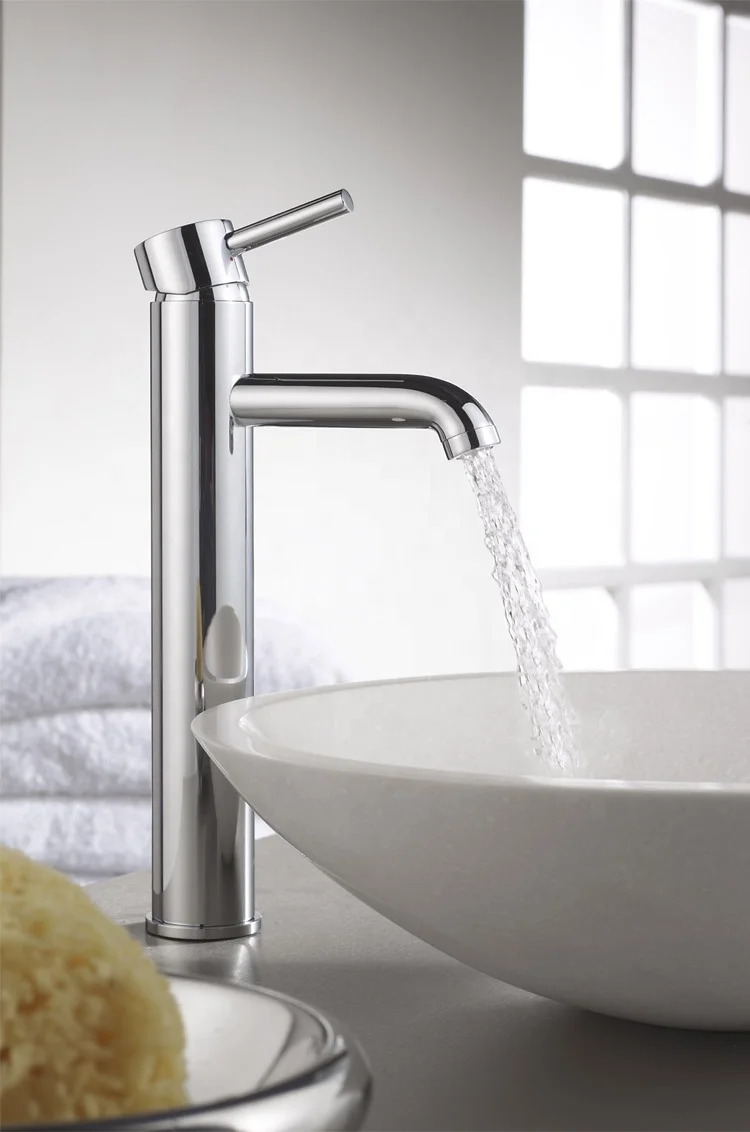
Smart Technology Integration
Sensor-Based Operation
Touchless basin taps represent the cutting edge in commercial bathroom technology. Advanced sensor systems provide reliable operation while eliminating a major touch point for germ transmission. Modern sensors offer precise activation zones and quick response times, enhancing user satisfaction while maintaining hygiene standards.
The latest generation of smart basin taps includes self-calibrating sensors that adapt to changing light conditions and environmental factors, reducing maintenance requirements and ensuring consistent operation. These systems can also include diagnostic capabilities that alert maintenance staff to potential issues before they become problems.
Monitoring and Management Systems
For large-scale installations, basin taps with integrated monitoring capabilities offer unprecedented control over water usage and system performance. These smart systems can track usage patterns, detect anomalies, and provide valuable data for maintenance planning and resource optimization.
Connected basin taps can be integrated into building management systems, allowing for centralized control and monitoring. This capability is particularly valuable in facilities where water consumption management and preventive maintenance are priorities.
Installation and Maintenance Considerations
Easy Installation Features
Time-efficient installation becomes crucial when dealing with large-scale projects. Modern basin taps feature quick-connect systems and standardized mounting arrangements that significantly reduce installation time. These features not only save on initial installation costs but also simplify future maintenance or replacement operations.
Modular designs allow for easy access to key components, while universal compatibility with standard plumbing systems ensures smooth integration into both new constructions and renovation projects.
Maintenance-Friendly Design
The best basin taps for commercial applications incorporate design features that facilitate routine maintenance and repairs. Easy-access panels, tool-free cartridge replacement, and standardized parts contribute to reduced downtime and maintenance costs. These considerations become particularly important in facilities where minimizing disruption is critical.
Regular maintenance requirements should be straightforward enough to be handled by in-house staff, with major servicing intervals spaced appropriately for the intended application. This balance helps optimize the total cost of ownership while ensuring reliable operation.
Frequently Asked Questions
How long should a commercial basin tap last?
A high-quality basin tap installed in a commercial setting should last 8-10 years with proper maintenance. However, this can vary depending on water quality, usage frequency, and maintenance practices. Premium models with brass construction and ceramic disc cartridges often exceed this lifespan.
What maintenance schedule is recommended for commercial basin taps?
Regular maintenance should include monthly visual inspections, quarterly cleaning of aerators and sensors, and annual comprehensive checks of all components. Smart taps may require additional software updates but generally need less frequent physical maintenance.
Are sensor-operated basin taps more expensive to maintain?
While the initial cost is higher, sensor-operated basin taps often prove more economical over time due to their water-saving benefits and reduced wear from manual handling. The main maintenance costs typically involve battery replacement (if not hardwired) and occasional sensor cleaning.
What water pressure is ideal for commercial basin taps?
Most commercial basin taps perform optimally with water pressure between 1.0 and 5.0 bar. However, many modern models include pressure-compensating features that maintain consistent performance across a wider range of operating conditions.