 EN
EN


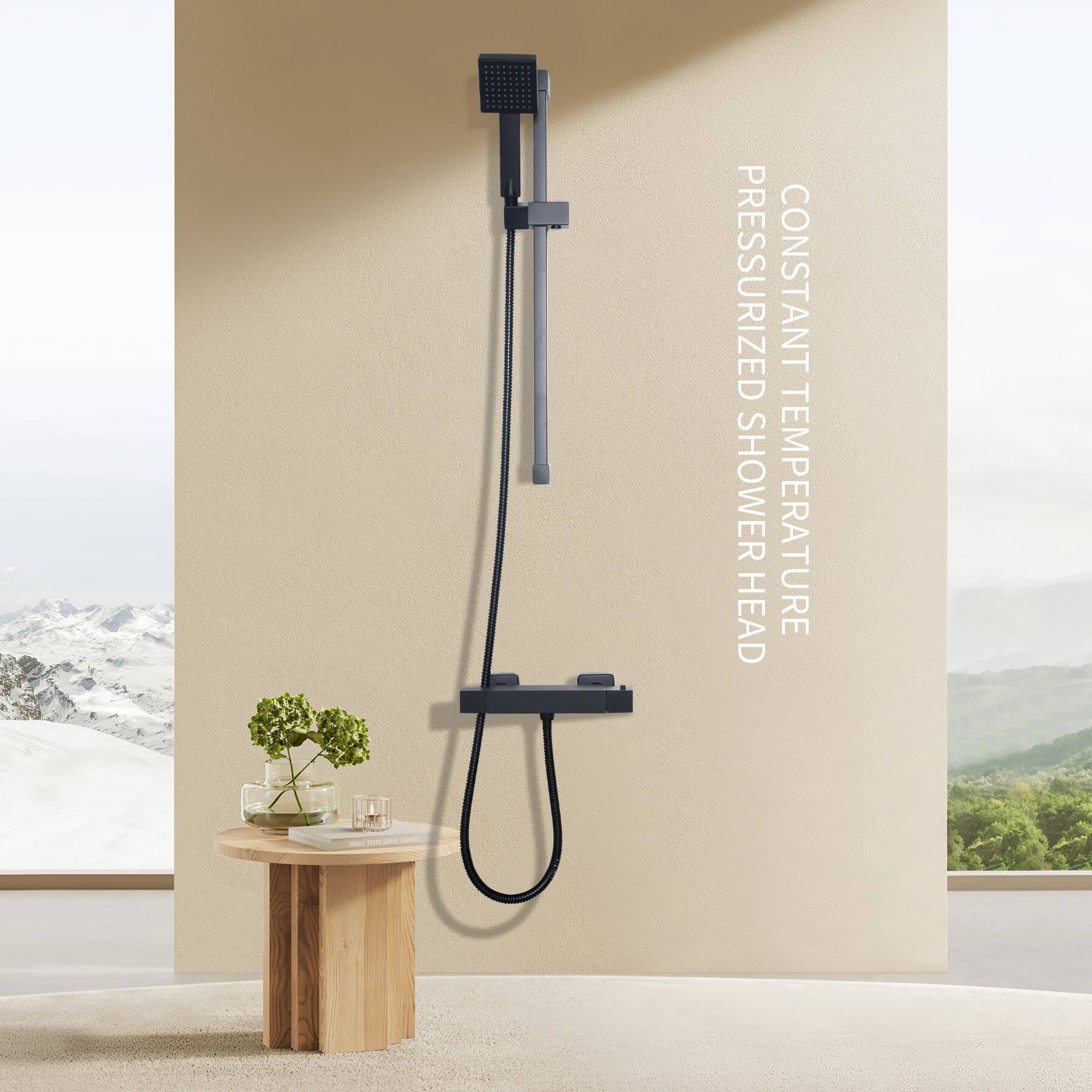
The Critical Role of Material Standards in Modern Shower Manufacturing
In the world of plumbing fixtures, material standardization has revolutionized how manufacturers produce shower mixers, ensuring unprecedented levels of quality and consistency. This systematic approach to material selection and processing has become the cornerstone of reliable shower mixer production, impacting everything from durability to performance. The implementation of material standardization practices has transformed what was once a variable manufacturing process into a precise science.
Modern shower mixers must withstand constant water pressure, temperature variations, and daily use while maintaining their functionality and appearance. Through careful material standardization, manufacturers can now guarantee that each component meets strict quality requirements, resulting in products that consistently perform at optimal levels. This standardization process encompasses everything from the basic raw materials to the final finishing touches, ensuring that every shower mixer leaving the production line meets the same exacting specifications.
Material Selection and Quality Control Processes
Raw Material Specifications and Testing
The foundation of material standardization begins with precise specifications for raw materials. Manufacturers establish detailed requirements for brass alloys, stainless steel, and other core components used in shower mixer production. Each batch of raw materials undergoes rigorous testing to verify its composition, ensuring it meets established standards for durability, corrosion resistance, and structural integrity.
Quality control laboratories conduct regular analyses of material samples, examining properties such as tensile strength, hardness, and chemical composition. This systematic approach to material testing helps identify any deviations from established standards before materials enter the production process, preventing potential quality issues in the final product.
Surface Treatment and Coating Standards
Material standardization extends beyond the base materials to include surface treatments and protective coatings. Manufacturers follow strict protocols for processes like chrome plating, powder coating, and other finishing treatments. These standards specify coating thickness, adhesion requirements, and surface preparation methods to ensure consistent appearance and protection against wear and corrosion.
Each stage of the coating process must meet predetermined parameters, with regular testing and monitoring to maintain quality standards. This attention to detail in surface finishing helps create shower mixers that not only look beautiful but also maintain their appearance and functionality over years of use.
Manufacturing Process Controls and Verification
Production Line Monitoring Systems
Advanced monitoring systems play a crucial role in maintaining material standardization throughout the manufacturing process. These systems track and record key parameters such as temperature, pressure, and processing times, ensuring that materials are handled consistently at every stage. Real-time data collection allows manufacturers to identify and correct any deviations from established standards immediately.
Quality control personnel regularly analyze production data to identify trends and potential areas for improvement. This continuous monitoring helps maintain the integrity of material standardization protocols while also driving process optimization and efficiency improvements.
Quality Assurance Checkpoints
Strategic quality assurance checkpoints throughout the production process verify that material standardization requirements are being met. These checkpoints include visual inspections, dimensional measurements, and functional testing of components and assemblies. Each checkpoint has specific criteria that must be satisfied before products can move to the next production stage.
Documentation of these quality checks creates a traceable record of compliance with material standards, allowing manufacturers to demonstrate their commitment to quality and address any issues that may arise. This comprehensive approach to quality assurance helps maintain consistent product quality while also supporting continuous improvement initiatives.

Environmental and Safety Considerations
Sustainable Material Standards
Material standardization increasingly incorporates environmental considerations, with manufacturers adopting specifications that promote sustainability. This includes standards for recycled content in materials, restrictions on harmful substances, and requirements for environmentally responsible production processes. These environmental standards help ensure that shower mixers meet both performance requirements and ecological responsibilities.
Manufacturers are also implementing material recovery and recycling programs as part of their standardization efforts, reducing waste and promoting circular economy principles in their operations. This commitment to environmental stewardship has become an integral part of modern material standardization practices.
Safety Compliance and Certification
Safety considerations are paramount in material standardization for shower mixers. Manufacturers must ensure that all materials comply with relevant health and safety regulations, including standards for lead content, chemical leaching, and temperature control. Regular testing verifies that materials meet these safety requirements throughout the production process.
Third-party certification programs provide additional validation of material safety and compliance, giving consumers confidence in the products they purchase. These certification processes often include periodic audits and testing to maintain certification status, further reinforcing the importance of consistent material standards.
Future Trends in Material Standardization
Advanced Materials and Innovation
The future of material standardization in shower mixer manufacturing is being shaped by advances in material science and technology. New materials with enhanced properties are being developed and standardized, offering improved performance, durability, and sustainability. These innovations include advanced composites, smart materials, and nano-engineered surfaces that provide superior functionality.
Research and development teams continue to explore new possibilities, working to integrate these advanced materials into existing standardization frameworks while maintaining the high quality standards that consumers expect. This ongoing innovation ensures that material standardization remains dynamic and responsive to changing market needs.
Digital Integration and Traceability
Digital technologies are revolutionizing how manufacturers implement and monitor material standardization. Advanced tracking systems, blockchain technology, and digital twin models are being integrated into quality control processes, providing unprecedented levels of traceability and verification. These digital tools help ensure compliance with material standards while also streamlining production processes.
The integration of digital technologies also enables more sophisticated analysis of material performance and quality trends, supporting continuous improvement in standardization practices. This digital transformation is helping manufacturers maintain higher levels of consistency and quality in their shower mixer products.
Frequently Asked Questions
Why is material standardization important for shower mixer quality?
Material standardization ensures consistent product quality, durability, and performance by establishing strict requirements for materials, manufacturing processes, and quality control. This systematic approach helps prevent defects, extends product lifespan, and maintains reliable functionality throughout the product's use.
How does material standardization affect product costs?
While material standardization may require initial investments in quality control systems and processes, it typically reduces long-term costs by minimizing waste, preventing defects, and improving manufacturing efficiency. These savings often translate to better value for consumers while maintaining high product quality.
What role does material standardization play in sustainability?
Material standardization supports sustainability by establishing requirements for environmentally responsible materials and processes, promoting recycling and waste reduction, and ensuring products meet environmental regulations. This systematic approach helps manufacturers reduce their environmental impact while maintaining product quality.