 EN
EN


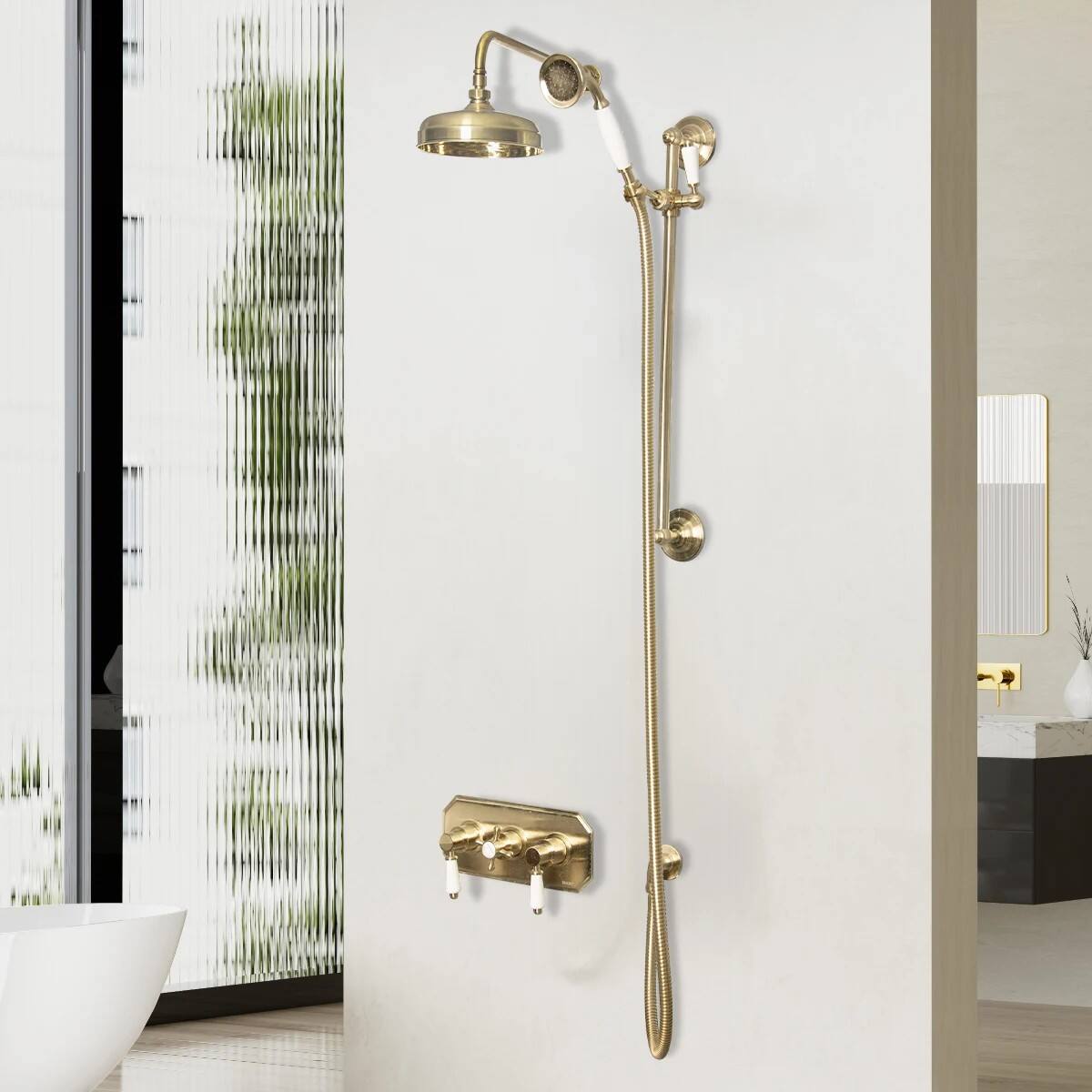
Selecting the perfect shower kit for your bathroom requires careful consideration of multiple design elements, functionality requirements, and aesthetic preferences. Modern homeowners face an overwhelming array of choices when renovating their bathrooms, making the selection process both exciting and challenging. A well-chosen shower kit serves as the centerpiece of your bathroom sanctuary, combining practical functionality with visual appeal to create a cohesive design statement that reflects your personal style.
The importance of matching your shower kit to your overall bathroom design cannot be overstated, as this decision impacts both the immediate visual impact and long-term satisfaction with your renovation investment. Professional designers consistently emphasize that successful bathroom renovations begin with understanding how individual components work together to create a harmonious environment. Your shower kit choice influences everything from daily functionality to resale value, making it essential to approach this decision with both aesthetic vision and practical considerations in mind.
Understanding Shower Kit Components and Configuration Options
Essential Components of Modern Shower Systems
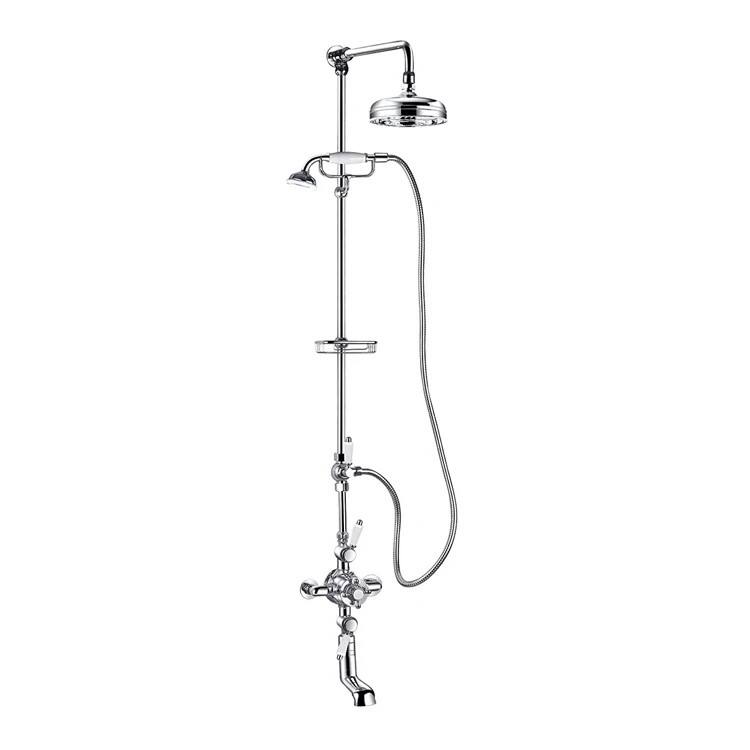
Contemporary shower kits typically include several interconnected components that work together to deliver optimal performance and user experience. The core elements consist of the main shower head, handheld shower attachment, thermostatic mixing valve, and various mounting hardware designed to ensure proper installation and long-term reliability. Understanding these components helps homeowners make informed decisions about which configurations best suit their specific needs and preferences.
Thermostatic mixing valves represent one of the most important technological advances in modern shower kit design, providing precise temperature control and safety features that prevent scalding incidents. These sophisticated mechanisms maintain consistent water temperature even when water pressure fluctuates throughout your home, ensuring comfortable and safe shower experiences for all family members. Professional plumbers consistently recommend thermostatic systems for households with children or elderly residents due to their enhanced safety features.
The variety of shower head configurations available today ranges from traditional single-function designs to multi-pattern systems offering rainfall, massage, and mist settings. Each configuration serves different user preferences and bathroom layouts, with larger shower heads requiring adequate ceiling height and water pressure to function optimally. Consider your daily routines and preferences when evaluating different spray patterns and flow rates to ensure your selected system meets practical requirements.
Installation Requirements and Plumbing Considerations
Proper installation of your chosen shower kit requires understanding existing plumbing configurations and potential modification requirements. Most modern systems require specific rough-in dimensions and water pressure ranges to function correctly, making professional consultation valuable during the selection process. Concealed thermostatic systems often require additional wall depth for valve body installation, which may impact your renovation timeline and budget considerations.
Water pressure requirements vary significantly between different shower kit models, with some high-end systems requiring minimum pressure levels to achieve optimal performance. Homes with low water pressure may benefit from pressure-boosting systems or alternative shower head designs optimized for lower flow conditions. Professional plumbers can evaluate your existing water pressure and recommend appropriate solutions to ensure your selected system performs as intended.
Electrical requirements for certain advanced shower features, such as digital controls or LED lighting systems, must be considered during the planning phase. These installations require proper GFCI protection and may necessitate additional electrical work by qualified professionals. Understanding these requirements early in the selection process helps avoid unexpected complications during installation and ensures compliance with local building codes.
Design Harmony and Aesthetic Integration Strategies
Color Coordination and Finish Selection
Achieving visual cohesion between your shower kit and existing bathroom fixtures requires careful attention to color schemes and finish coordination. Popular finish options include brushed nickel, chrome, oil-rubbed bronze, and matte black, each offering distinct aesthetic characteristics that complement different design themes. Contemporary bathrooms often benefit from consistent finish selection across all fixtures, creating a unified appearance that enhances overall design sophistication.
The relationship between warm and cool metal tones significantly impacts the overall bathroom atmosphere, with warm finishes like brass and bronze creating cozy, traditional environments while cool finishes like chrome and brushed nickel promote modern, minimalist aesthetics. Mixed metal approaches can work successfully when implemented thoughtfully, typically involving one dominant finish with carefully selected accent pieces in complementary tones. Professional designers recommend limiting metal finishes to two or three maximum to maintain visual coherence.
Consideration of lighting conditions in your bathroom space affects how different finishes appear throughout the day, with natural and artificial light sources influencing color perception. Polished finishes reflect more light and can help brighten smaller spaces, while matte finishes reduce glare and fingerprint visibility in high-use areas. Testing finish samples under your specific lighting conditions helps ensure satisfaction with the final appearance of your selected shower kit installation.
Style Compatibility Assessment
Evaluating the compatibility between your preferred shower kit style and existing bathroom architecture ensures seamless integration with your overall design vision. Traditional bathroom designs typically pair well with classic shower systems featuring ornate details and vintage-inspired finishes, while contemporary spaces benefit from clean-lined, minimalist fixtures with geometric forms. Understanding your bathroom's architectural style provides a foundation for making appropriate fixture selections.
Scale and proportion considerations play crucial roles in achieving balanced bathroom designs, with oversized fixtures potentially overwhelming smaller spaces while undersized components may appear inadequate in larger bathrooms. Professional designers recommend measuring your shower area and considering the visual weight of different components to ensure appropriate scale relationships. The height and width of your shower enclosure directly influence which configurations will appear proportionate and functional.
Transitional design approaches offer flexibility for homeowners who appreciate both traditional and contemporary elements, allowing for creative combinations that reflect personal preferences while maintaining overall coherence. These designs often incorporate classic forms with updated finishes or modern functionality with traditional styling cues. Understanding transitional design principles enables more creative freedom in shower kit selection while preserving aesthetic harmony.
Functionality Assessment and Performance Optimization
Water Efficiency and Environmental Considerations
Modern shower kit selection increasingly involves evaluating water efficiency ratings and environmental impact considerations. Low-flow shower heads and water-saving technologies can significantly reduce household water consumption without compromising shower experience quality. Many contemporary systems incorporate innovative design features that maintain satisfying water pressure while meeting strict efficiency standards mandated by environmental regulations.
Understanding flow rate specifications helps homeowners balance water conservation goals with personal preference requirements. Standard flow rates range from 1.5 to 2.5 gallons per minute, with higher-end systems offering adjustable flow controls that allow users to customize their experience based on specific needs. Energy-efficient designs also reduce hot water demand, resulting in lower utility costs and reduced environmental impact over the system's operational lifetime.
Certification programs like WaterSense provide reliable guidance for identifying high-efficiency shower products that meet rigorous performance and water conservation standards. These certifications ensure that water-saving features do not compromise user satisfaction or system longevity. Choosing certified products often qualifies homeowners for utility rebates or tax incentives, providing additional financial benefits beyond operational savings.
User Experience and Comfort Features
Advanced comfort features in modern shower systems enhance daily routines and provide spa-like experiences in residential settings. Temperature memory functions, multiple spray patterns, and ergonomic controls contribute to user satisfaction and convenience. Understanding which comfort features align with your lifestyle preferences helps prioritize options during the selection process and ensures long-term satisfaction with your investment.
Accessibility considerations become increasingly important as homeowners plan for aging in place or accommodate family members with mobility limitations. Universal design principles applied to shower kit selection include lever-style controls, handheld shower attachments, and adjustable mounting systems that accommodate users of different heights and abilities. These features enhance safety and usability for all household members while maintaining aesthetic appeal.
Maintenance requirements vary significantly between different shower kit designs, with some finishes and configurations requiring more frequent cleaning or specialized care products. Understanding maintenance implications helps homeowners make informed decisions based on their available time and preferred upkeep routines. Systems with antimicrobial coatings or self-cleaning features can reduce maintenance demands while preserving appearance and functionality over time.
Budget Planning and Value Optimization
Cost Structure Analysis
Comprehensive budget planning for shower kit selection involves understanding both initial purchase costs and long-term operational expenses. Premium systems typically command higher upfront investments but often provide superior durability, efficiency, and warranty protection that reduces lifetime ownership costs. Analyzing total cost of ownership helps homeowners make financially sound decisions that align with their renovation budgets and long-term value expectations.
Installation costs represent a significant portion of total project expenses, varying based on system complexity, existing plumbing modifications required, and local labor rates. Concealed thermostatic systems generally involve higher installation costs due to additional rough-in work and specialized expertise requirements. Obtaining detailed installation estimates from qualified professionals helps establish realistic project budgets and avoid unexpected expenses during renovation execution.
Quality differences between price segments affect both immediate satisfaction and long-term reliability, making it essential to understand value propositions offered by different manufacturers and product lines. Mid-range systems often provide excellent balance between features, quality, and affordability, while budget options may require compromises in materials, warranty coverage, or advanced features. Professional reviews and manufacturer specifications provide valuable insights for evaluating quality relative to price points.
Return on Investment Considerations
Bathroom renovations consistently rank among the highest return on investment home improvements, with quality shower systems contributing significantly to overall project value. Real estate professionals report that modern, well-designed bathrooms strongly influence buyer decisions and home valuation assessments. Selecting shower kits that align with current design trends while offering timeless appeal helps maximize both personal enjoyment and potential resale benefits.
Energy efficiency investments in shower systems generate ongoing operational savings through reduced water heating costs and utility consumption. These savings accumulate over the system's operational lifetime, effectively reducing the net cost of premium efficiency features. Many utility companies offer rebates for high-efficiency fixtures, providing immediate financial benefits that improve project economics and accelerate payback periods.
Durability and warranty considerations directly impact long-term value realization, with high-quality systems typically offering extended warranty coverage and superior component longevity. Understanding warranty terms and manufacturer support policies helps evaluate true value propositions beyond initial purchase prices. Systems with comprehensive warranties and established service networks provide greater confidence in long-term investment protection and user satisfaction.
When selecting a shower kit that balances design harmony and long-term performance, partnering with a reliable supplier is essential. China slion offers a wide range of shower kit solutions tailored to different bathroom styles and functional requirements. Contact china slion to discuss suitable options for your project.
FAQ
What factors should I prioritize when choosing between different shower kit styles
Prioritize functionality requirements first, considering your daily routines, family size, and accessibility needs. Then evaluate aesthetic compatibility with your bathroom's architectural style and existing fixtures. Finally, consider your budget constraints and long-term value expectations, balancing initial costs with durability and efficiency features that provide lasting benefits.
How do I determine if my existing plumbing can accommodate a new shower kit
Consult a licensed plumber to evaluate your current water pressure, pipe configuration, and rough-in dimensions. They can assess whether modifications are needed for proper installation and performance. Consider factors like water pressure requirements, valve placement, and electrical needs for advanced features when planning your upgrade.
What maintenance requirements should I expect with different shower kit finishes
Polished finishes like chrome require frequent cleaning to prevent water spots but are generally easy to maintain with standard bathroom cleaners. Oil-rubbed bronze and matte finishes hide water spots better but may need specialized cleaners to preserve their appearance. Brushed finishes offer good balance between appearance and maintenance requirements for most households.
Are there specific installation timeline considerations for concealed thermostatic systems
Concealed systems typically require longer installation timelines due to additional rough-in work and wall modifications needed for valve body placement. Plan for potential delays related to wall repairs, tile work, and system testing. Professional installers recommend scheduling these installations during major bathroom renovations to minimize disruption and coordinate with other trades effectively.
Table of Contents
- Understanding Shower Kit Components and Configuration Options
- Design Harmony and Aesthetic Integration Strategies
- Functionality Assessment and Performance Optimization
- Budget Planning and Value Optimization
-
FAQ
- What factors should I prioritize when choosing between different shower kit styles
- How do I determine if my existing plumbing can accommodate a new shower kit
- What maintenance requirements should I expect with different shower kit finishes
- Are there specific installation timeline considerations for concealed thermostatic systems