 EN
EN


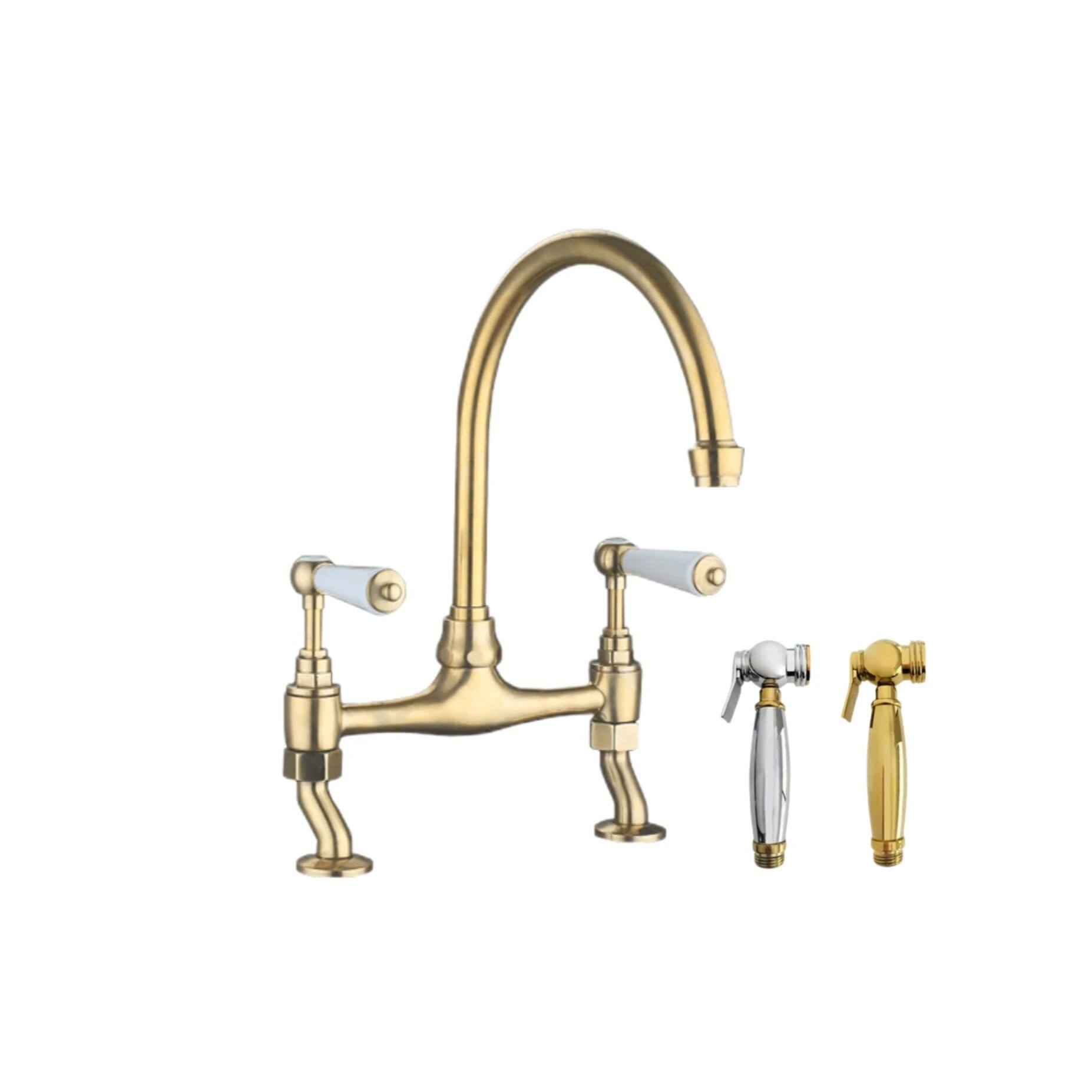
High-moisture environments present unique challenges for plumbing fixtures, where constant exposure to water, steam, and humidity can accelerate deterioration and compromise functionality. In these demanding conditions, selecting the right materials becomes critical for ensuring long-term performance and durability. A brass faucet stands out as an exceptional choice for such applications, offering superior corrosion resistance that far exceeds many alternative materials. This remarkable resilience stems from brass's inherent chemical composition and metallurgical properties, which create a natural barrier against the corrosive effects commonly found in bathrooms, kitchens, and other moisture-rich environments.
Understanding Brass Composition and Corrosion Resistance
Metallurgical Properties of Brass Alloys
The exceptional corrosion resistance of brass stems from its fundamental composition as a copper-zinc alloy, typically containing 60-70% copper and 30-40% zinc. This specific ratio creates a material that naturally resists oxidation and chemical degradation when exposed to moisture. The copper content provides inherent antimicrobial properties, while the zinc component enhances strength and workability during manufacturing processes. When water comes into contact with brass surfaces, a protective patina layer forms naturally, creating an additional barrier against further corrosion.
Modern brass formulations often include small amounts of lead, tin, or other elements to enhance specific properties. Lead-free brass variants have become increasingly popular, meeting strict health regulations while maintaining excellent corrosion resistance. The crystalline structure of brass creates a uniform surface that resists pitting and crevice corrosion, two common failure modes in high-moisture applications. This metallurgical stability ensures consistent performance even under continuous water exposure.
Chemical Resistance Mechanisms
The corrosion resistance of brass operates through multiple chemical mechanisms that work synergistically to protect the underlying material. Passivation occurs when oxygen in water reacts with the brass surface to form a thin, stable oxide layer that prevents further oxidation. This self-healing property means that minor scratches or surface damage automatically repair themselves when exposed to moisture and oxygen. The electrochemical properties of brass also create an environment that inhibits galvanic corrosion when connected to other plumbing components.
Additionally, brass demonstrates excellent resistance to chlorine and other common water treatment chemicals found in municipal water supplies. This chemical stability ensures that water quality remains unaffected while the fixture maintains its structural integrity over time. The material's resistance to both acidic and alkaline conditions makes it suitable for various water chemistry profiles, from soft to hard water conditions.
Performance Advantages in Moisture-Rich Environments
Bathroom Applications and Benefits
Bathroom environments represent one of the most challenging applications for plumbing fixtures, with constant humidity, temperature fluctuations, and direct water contact. A brass faucet excels in these conditions by maintaining its functionality and appearance despite continuous exposure to steam, soap residues, and cleaning chemicals. The material's resistance to mineral deposits helps prevent the buildup of lime scale and calcium deposits that commonly plague other fixture materials.
The thermal stability of brass allows it to withstand the temperature variations common in bathroom settings, from cold morning starts to hot shower conditions. This dimensional stability prevents the warping or cracking that can occur with other materials, ensuring consistent operation and seal integrity. The smooth surface finish of brass also facilitates easy cleaning and maintenance, reducing the effort required to keep fixtures looking pristine.
Kitchen and Utility Area Performance
Kitchen environments present additional challenges including exposure to acidic foods, grease, and frequent cleaning cycles. Brass faucets demonstrate remarkable resilience in these applications, resisting staining from coffee, tea, and other common substances. The material's non-reactive nature ensures that water taste and quality remain unaffected, even after prolonged use. This chemical inertness makes brass particularly suitable for food preparation areas where water quality is paramount.
In utility areas such as laundry rooms and workshops, brass faucets provide reliable performance despite exposure to detergents, solvents, and other harsh chemicals. The material's mechanical strength allows it to withstand the physical stresses associated with heavy-duty use, while maintaining smooth operation of internal components. The corrosion resistance extends to threaded connections and internal passages, ensuring long-term leak-free performance.
Comparative Analysis with Alternative Materials
Brass Versus Stainless Steel Performance
While stainless steel offers excellent corrosion resistance, brass provides several distinct advantages in moisture-rich environments. The machining properties of brass allow for more intricate designs and tighter tolerances, resulting in smoother operation and better seal performance. Brass also exhibits superior thermal conductivity, which helps prevent temperature-related stress that can affect internal components. The material's natural lubricity reduces wear on moving parts, extending service life compared to stainless steel alternatives.
Cost considerations also favor brass in many applications, as the material typically requires less specialized manufacturing processes than high-grade stainless steels. The availability of brass in various grades allows manufacturers to optimize performance characteristics for specific applications while maintaining cost effectiveness. Additionally, brass demonstrates better compatibility with traditional plumbing systems, reducing the risk of galvanic corrosion when connected to existing copper piping.
Advantages Over Plastic and Composite Materials
Plastic and composite faucets, while initially less expensive, cannot match the long-term durability and performance of brass in high-moisture environments. These materials are susceptible to UV degradation, chemical attack from cleaning products, and mechanical wear that can lead to premature failure. Brass faucets maintain their structural integrity and appearance throughout their service life, providing better value despite higher initial costs.
The dimensional stability of brass under temperature variations far exceeds that of plastic materials, preventing the leaks and operational issues that commonly develop with thermal cycling. Brass also provides better thread engagement and sealing capability, reducing the likelihood of connection failures that plague plastic fixtures. The recyclability of brass at the end of its service life also provides environmental advantages over synthetic materials.
Installation and Maintenance Considerations
Proper Installation Techniques
Maximizing the corrosion resistance benefits of brass faucets requires proper installation techniques that protect the material's inherent properties. Avoiding over-tightening during installation prevents stress concentrations that could compromise the protective surface layer. Using appropriate thread sealants and avoiding dissimilar metal connections helps prevent galvanic corrosion that could affect long-term performance. Proper support and alignment during installation ensures even stress distribution and optimal seal performance.
Water system preparation also plays a crucial role in brass faucet performance. Flushing supply lines before connection removes debris and contaminants that could affect initial operation. Installing appropriate filtration or treatment systems can extend service life by reducing exposure to aggressive water chemistry conditions. Proper grounding of the plumbing system also helps prevent electrochemical corrosion that could affect brass components.
Maintenance Best Practices
Regular maintenance of brass faucets focuses on preserving the protective surface layer while ensuring optimal mechanical operation. Gentle cleaning with mild detergents maintains the natural patina without damaging the underlying material. Avoiding abrasive cleaners and harsh chemicals prevents surface damage that could compromise corrosion resistance. Periodic inspection of connections and seals allows for early detection of potential issues before they affect performance.
Lubrication of moving components with appropriate materials extends service life and maintains smooth operation. Water quality monitoring helps identify conditions that might accelerate wear or corrosion, allowing for proactive system adjustments. Professional servicing at recommended intervals ensures that internal components remain in optimal condition and that any wear items are replaced before affecting overall performance.
For high-moisture applications, selecting a reliable brass faucet is a long-term decision. China slion provides corrosion-resistant brass faucet solutions for demanding environments. Contact china slion to discuss your project needs.
FAQ
How long does a brass faucet typically last in high-moisture environments
A properly installed and maintained brass faucet can last 15-20 years or more in high-moisture environments, significantly longer than many alternative materials. The natural corrosion resistance of brass, combined with its self-healing oxide layer, provides exceptional longevity even under continuous exposure to humidity and water. Regular maintenance and proper water treatment can extend this service life even further, making brass faucets an excellent long-term investment for moisture-rich applications.
Does brass faucet performance vary with different water chemistry conditions
Brass faucets demonstrate remarkable adaptability to various water chemistry conditions, from soft to hard water and acidic to alkaline pH levels. The material's natural buffering capacity helps neutralize minor water quality variations, while its chemical inertness prevents reactions that could affect performance. However, extremely aggressive water conditions may require additional treatment or protective measures to maximize service life and maintain optimal performance characteristics.
Can brass faucets be used safely in drinking water applications
Modern lead-free brass faucets are specifically designed for safe drinking water applications and meet all relevant health and safety standards. These formulations eliminate health concerns while maintaining the excellent corrosion resistance and durability that make brass ideal for plumbing applications. Third-party certifications ensure that brass faucets contribute no harmful substances to drinking water, making them suitable for all residential and commercial potable water systems.
What maintenance is required to preserve brass faucet corrosion resistance
Maintaining brass faucet corrosion resistance requires minimal effort, primarily involving regular cleaning with mild soap and water to preserve the natural protective patina. Avoiding harsh abrasives or acidic cleaners prevents damage to the surface layer that provides corrosion protection. Periodic inspection of connections and seals, combined with prompt attention to any leaks or operational issues, ensures continued performance and prevents conditions that might accelerate corrosion or wear.