 EN
EN


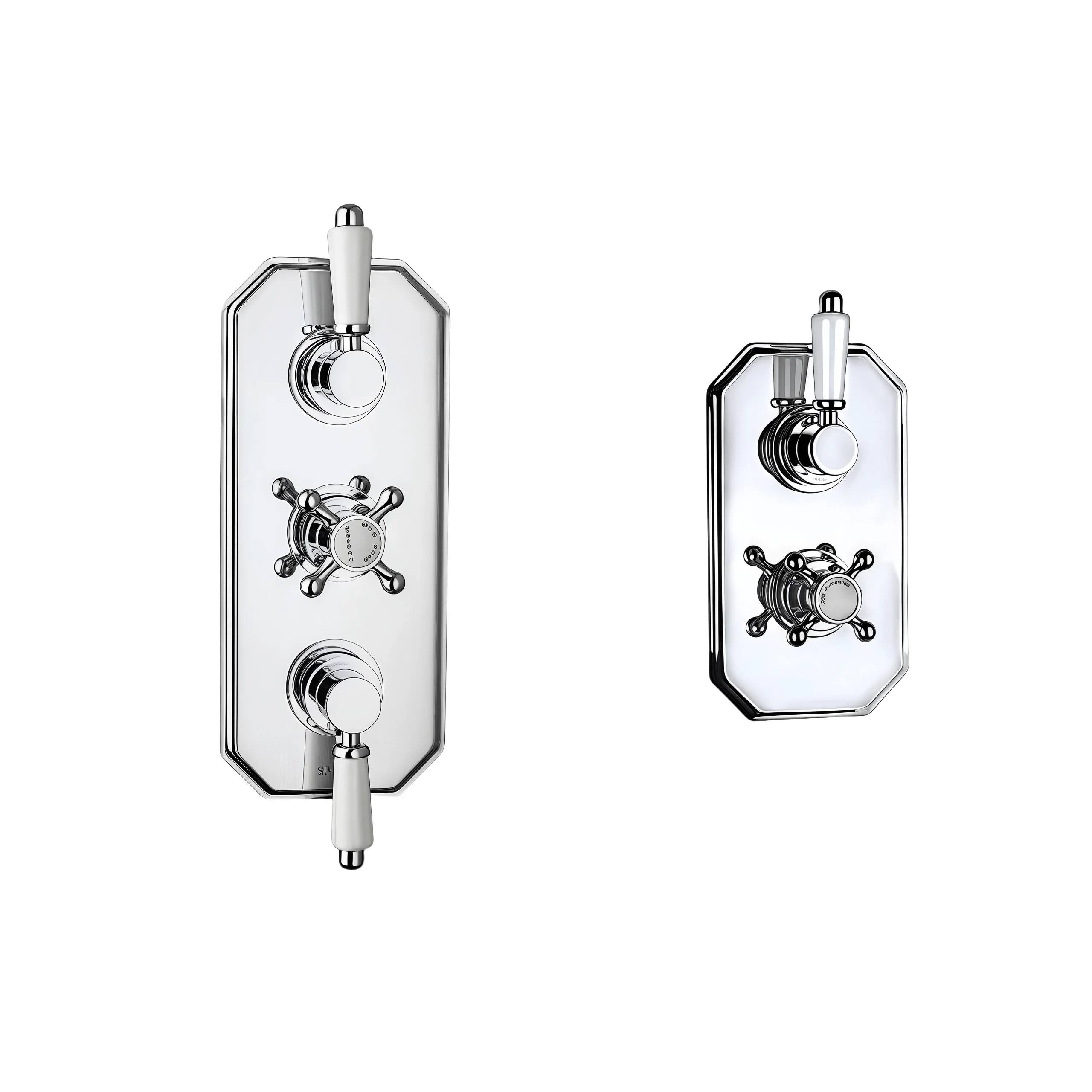
Porozumenie tomu, ako rôzne typy sprcha ventily ovplyvňujú tlak vody, je kľúčové pre domácnosti, dodávateľov a odborníkov v oblasti potrubných inštalácií, ktorí sa snažia dosiahnuť optimálny výkon sprchy. Vzťah medzi konštrukciou ventilu a dynamikou toku vody priamo ovplyvňuje vaše každodenné sprchovanie, čo robí výber ventilu kritickým rozhodnutím pri návrhu a rekonštrukcii kúpeľní. Moderné sprchové ventiláče zahŕňajú sofistikované inžinierske princípy, ktoré vyvažujú reguláciu tlaku, reguláciu teploty a bezpečnostné funkcie, aby zabezpečili konzistentný tok vody po celom potrubnom systéme vášho domu.
Optimalizácia vodného tlaku závisí výrazne od vnútorných mechanizmov rôznych typov ventilov, pričom každý z nich je navrhnutý tak, aby riadil prietokové rýchlosti prostredníctvom špecifických technických prístupov. Súčasné sprchové ventily využívajú rôzne technológie vyrovnania tlaku, ktoré reagujú na kolísania v prívodných potrubiach a zabezpečujú stabilný výkon aj v prípade súčasného používania iných armatúr. Vnútorné komponenty ventilu, vrátane kaziet, membrán a obmedzovačov prietoku, spoločne pracujú na udržiavaní konštantného tlaku a zároveň chránia pred nebezpečnými výkyvmi teploty, ktoré by mohli nastať pri poklese tlaku.
Systémy ventilov s vyrovnávaním tlaku
Mechanická regulácia tlaku
Regulačné sprchové ventily s vyrovnávaním tlaku využívajú mechanické systémy, ktoré sa automaticky prispôsobujú, aby udržali rovnováhu medzi prívodom teplej a studenej vody. Tieto ventily obsahujú piesty alebo membrány namontované na pružinách, ktoré okamžite reagujú na zmeny tlaku v ktorejkoľvek prívodnej rúrke a kompenzujú kolísania tým, že obmedzujú prietok z rúrky s vyšším tlakom. Keď klesne tlak studenej vody kvôli splachovaniu toalety alebo prevádzke pračky, ventil úmerným spôsobom zníži prietok teplej vody, čím zabráni popáleninám a zároveň udrží celkovú stabilitu tlaku.
Vnútorný mechanizmus v regulačných sprchových kohútikoch s vyrovnávaním tlaku funguje na základe snímania rozdielu tlakov, pričom teleso kohútika obsahuje posuvný piest, ktorý sa pohybuje bočne v závislosti od zmeny tlaku. Táto mechanická odpoveď nastáva do milisekúnd po zmene tlaku a poskytuje okamžitú ochranu proti kolísaniu teploty, ktoré tradičné miešacie kohútiky nedokážu zabrániť. Konštrukcia zabezpečuje, že celkový prietok vody zostáva relatívne konštantný aj v prípade kolísania tlaku jednotlivých prívodov, hoci celkový tlak sa počas obdobia maximálneho zaťaženia môže mierne znížiť.
Vplyv inštalácie na výkon
Správna inštalácia tlakových vyrovnávacích sprchových ventilov významne ovplyvňuje ich schopnosť udržiavať konštantný tlak vody za rôznych prevádzkových podmienok. Ventil vyžaduje primerané rozmery prívodných potrubí a správne hodnoty tlaku, aby fungoval účinne; minimálne požiadavky na tlak sa zvyčajne pohybujú v rozsahu od 15 do 80 PSI pre optimálny výkon. Medzi aspekty, ktoré je potrebné pri inštalácii zohľadniť, patria priemer prívodného potrubia, materiál rúr a vzdialenosť od ohrievača vody – všetky tieto faktory ovplyvňujú schopnosť ventilu regulovať tlak.
Profesionálna inštalácia zaisťuje, že sprchové uzávery dostávajú vyvážené tlaky prívodu z oboch horúcej a studenej prívodnej linky, čím sa zabráni tomu, aby sa uzáver nepretržite prevádzkoval v kompenzačnom režime. Nesprávna inštalácia, napríklad nesúlad tlakov prívodu alebo nedostatočný priemer potrubia, môže mať za následok zníženie celkového tlaku a zhoršenú reguláciu teploty. Mechanizmus vyrovnávania tlaku uzávera funguje najefektívnejšie, keď obe prívodné linky dodávajú podobné základné tlaky, čo umožňuje vnútorným komponentom vykonávať jemné úpravy namiesto veľkých korekcií.
Technológia termostatických uzávorov
Ovládanie tlaku reagujúce na teplotu
Termostatické sprchové uzávery obsahujú voskom naplnené alebo bi-kovové prvky, ktoré sa rozširujú a zužujú v reakcii na zmeny teploty, čím zabezpečujú presnú reguláciu teploty aj tlaku prúdiacej vody. Tieto uzávery udržiavajú nastavenú teplotu v úzkom rozsahu tolerancií a súčasne riadia vodný tlak prostredníctvom integrovaných mechanizmov regulácie prietoku. Termostatický prvok reaguje na skutočnú teplotu zmiešanej vody, nie na zmeny tlaku prívodu, čo zabezpečuje vynikajúci výkon v systémoch s premennými podmienkami prívodu.
Pokročilý dizajn termostatických sprchových ventilov zahŕňa samostatné ovládanie teploty a prietoku, čo umožňuje používateľom prednastaviť požadovanú teplotu pri súčasnom zachovaní nezávislých možností nastavenia tlaku. Tento dvojkový ovládací systém zabraňuje tomu, aby kolísania tlaku ovplyvnili nastavenia teploty, pretože termostatický prvok neustále upravuje pomer zmiešavania, aby udržal konštantnú výstupnú teplotu bez ohľadu na zmeny tlaku prívodu. Táto technológia zabezpečuje, že zmeny tlaku v jednom prívodnom potrubí neohrozujú ani stabilitu teploty, ani celkový výkon prietoku.
Funkcie kompenzácie tlaku
Moderné termostatické sprchové uzávery integrujú funkcie kompenzácie tlaku, ktoré automaticky upravujú prietokové rýchlosti tak, aby sa udržal optimálny výkon za rôznych podmienok prívodu. Tieto uzávery obsahujú spätné uzávery a mechanizmy na zníženie tlaku, ktoré zabraňujú spätnému toku a zároveň zabezpečujú vyvážený chod aj v prípade výrazných rozdielov v tlaku prívodu. Kompenzačný systém pracuje súčasne s termostatickým prvkom, aby zabezpečil konzistentný tlak aj teplotu súčasne.
Schopnosť kompenzácie tlaku v termostatických sprchové ventiláče zahŕňa funkcie automatického vypnutia, ktoré sa aktivujú, keď teploty alebo tlaky dodávky prekročia bezpečné prevádzkové parametre. Tento bezpečnostný mechanizmus chráni používateľov pred popáleninami alebo nárazmi tlaku a zároveň zachováva celistvosť systému za neobvyklých prevádzkových podmienok. Schopnosť ventilu udržiavať stály výstupný tlak ho robí ideálnym pre inštalácie, kde je kritická konštantná výkonnosť, napríklad v zdravotníckych zariadeniach alebo luxusných rezidenčných aplikáciách.
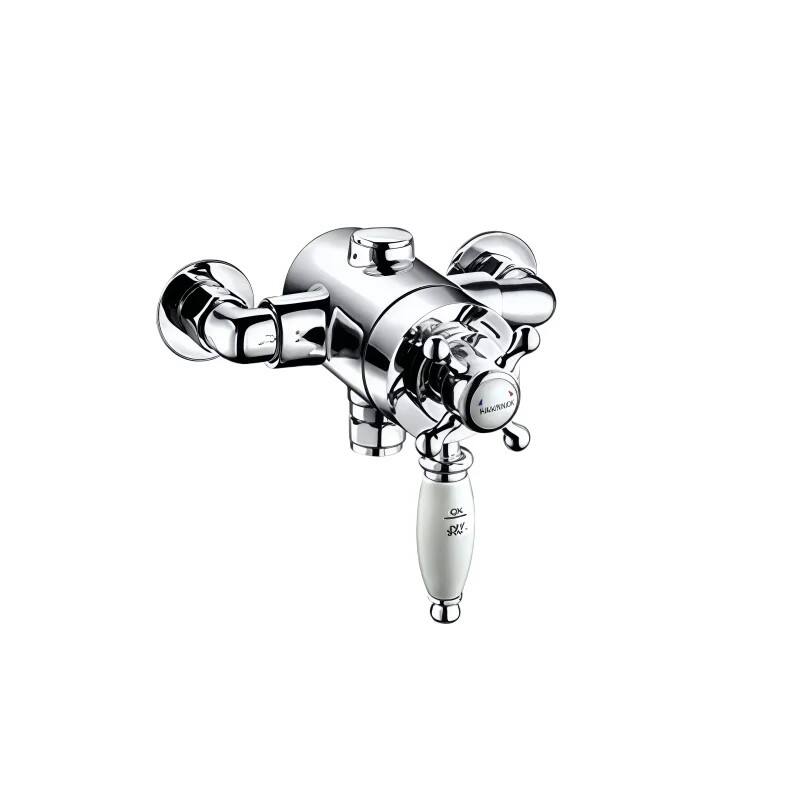
Digitálne a elektronické systémy ventilov
Elektronické monitorovanie tlaku
Digitálne sprchové kohútiky využívajú elektronické senzory a počítačové ovládanie na monitorovanie a úpravu tlaku vody v reálnom čase, čím zabezpečujú bezprecedentnú presnosť pri riadení prietoku. Tieto systémy obsahujú tlakové snímače, ktoré nepretržite merajú tlak v prívodných potrubiach a príslušne upravujú pomer zmiešavania, čím udržiavajú presné nastavenia tlaku a teploty bez ohľadu na premenné v systéme. Elektronický ovládací systém dokáže kompenzovať kolísanie tlaku rýchlejšie a presnejšie ako mechanické systémy, zvyčajne reaguje na meniace sa podmienky v priebehu milisekúnd.
Pokročilé možnosti monitorovania tlaku digitálnych sprchových ventilov zahŕňajú programovateľné prietokové rýchlosti a limity tlaku, ktoré je možné prispôsobiť rôznym používateľom alebo prevádzkovým režimom. Tieto ventily elektronicky ukladajú preferencie používateľov a dokážu konzistentne reprodukovať presné kombinácie tlaku a teploty, čím sa odstraňuje postup skúšania a omylu spojený s manuálnym nastavením ventilov. Schopnosť systému udržiavať presnú kontrolu tlaku robí tento systém obzvlášť cenný v komerčných aplikáciách, kde je nevyhnutný konzistentný výkon.
Inteligentná optimalizácia tlaku
Pokročilé digitálne sprchové ventily obsahujú učiace sa algoritmy, ktoré sa prispôsobujú individuálnym vzorom používania a optimalizujú dodávku tlaku na základe histórie používania a preferencií používateľa. Tieto inteligentné systémy dokážu predpovedať požadovaný tlak a vopred upraviť nastavenia ventilov, aby sa minimalizovalo reakčné čas a maximalizovala účinnosť. Táto technológia umožňuje automatickú kompenzáciu tlaku pri sezónnych kolísaniach tlaku dodávky a môže sa integrovať do systémov domácej automatizácie pre komplexný manažment vody.
Funkcie optimalizácie tlaku v digitálnych sprchových ventiloch prekračujú základné riadenie prietoku a zahŕňajú aj algoritmy na úsporu vody, ktoré zachovávajú spokojnosť používateľa pri súčasnom znížení spotreby. Tieto systémy dokážu automaticky upraviť tlak podľa denného času, vzorov obsadenia alebo tarifných plánov poskytovateľa služieb, čím zabezpečujú zároveň pohodlie aj energetickú účinnosť. Možnosť diaľkového monitorovania a úpravy nastavení tlaku robí tieto ventily ideálnymi pre viacjednotkové obydlia alebo komerčné priestory vyžadujúce centralizované ovládacie schopnosti.
Výkon tradičného miešacieho ventilu
Manuálne nastavenie tlaku
Tradičné miešacie sprchové kohútiky vyžadujú manuálne nastavenie, aby sa dosiahli požadované kombinácie tlaku a teploty; ich výkon závisí priamo od spôsobu ovládania používateľom a podmienok prívodných potrubí. Tieto kohútiky miešajú teplú a studenú vodu prostredníctvom polohy vnútorných miešacích komôr, ktorú ovláda používateľ; výstupný tlak sa mení v závislosti od relatívnych prietokových rýchlostí z každého prívodného potrubia. Jednoduchosť tradičných miešacích kohútikov ich robí spoľahlivými a cenovo výhodnými, avšak ponúkajú obmedzenú ochranu proti kolísaniu tlaku.
Tlakové charakteristiky tradičných miešacích sprchových ventilov závisia výrazne od vyváženia medzi tlakmi teplej a studenej prívodnej vody, pričom optimálny výkon sa dosahuje vtedy, keď oba prívodné potrubia poskytujú podobné tlakové úrovne. Ak sú prívodné tlaky nevyvážené, používatelia musia nepretržite upravovať polohu ventilu, aby udržali požadované prietokové množstvá, a náhle zmeny tlaku môžu spôsobiť nepohodlné kolísanie teploty. Napriek týmto obmedzeniam sa tradičné ventily stále tešia veľkej popularite vďaka jednoduchej obsluhe a minimálnym požiadavkám na údržbu.
Obmedzenia prietoku
Tradičné miešacie sprchové kohútiky zvyčajne poskytujú vyššie maximálne prietokové rýchlosti ako alternatívy s vyrovnaním tlaku alebo termostatické kohútiky, pretože nemajú vnútorné obmedzenia určené na kompenzáciu tlaku. Táto vyššia prietoková kapacita však má za následok nižšiu stabilitu tlaku, najmä v systémoch s premennými podmienkami dodávky alebo pri viacerých súčasných používateľoch. Keďže kohútik nedokáže kompenzovať zmeny tlaku dodávky, prietokové rýchlosti sa priamo menia v závislosti od stavu prívodných potrubí.
Výkonnostný rozsah tradičných miešacích sprchových kohútikov sa výrazne mení v závislosti od podmienok inštalácie, rozmery potrubia a návrhu dodávacieho systému. Tieto kohútiky dosahujú najlepší výkon v samostatných sprchových okruhoch so stálym tlakom dodávky a s minimálnou súťažnou spotrebou zo strany iných armatúr. V komplexných potrubných systémoch alebo v budovách s viacerými poschodiami môžu tradičné kohútiky mať problémy s udržaním primeraného tlaku počas obdobia maximálneho využitia, čo ich robí menej vhodnými pre aplikácie s vysokou spotrebou.
Inštalačné faktory ovplyvňujúce výkon v oblasti tlaku
Konfigurácia prívodných potrubí
Konfigurácia prívodných potrubí výrazne ovplyvňuje, ako rôzne sprchové uzávery ovplyvňujú tlak vody, pričom dôležitú úlohu pri výkone systému zohrávajú priemer potrubia, materiál, z ktorého je vyrobené, a jeho trasovanie. Prívodné potrubia s väčším priemerom znížia straty spôsobené trením a umožnia vyššie prietokové rýchlosti, zatiaľ čo správne dimenzovanie potrubia zabezpečuje, že uzávery dostanú dostatočný tlak na optimálny chod. Na dodávku tlaku tiež ovplyvňuje vzdialenosť medzi uzáverom a zdrojmi prívodu vody – pri dlhších trasách je potrebné použiť potrubia s väčším priemerom alebo systémy na zvyšovanie tlaku, aby sa udržal požadovaný výkon.
Výber materiálu prívodného potrubia ovplyvňuje tlakové charakteristiky prostredníctvom koeficientov trenia a vlastností tepelnej rozťažnosti, ktoré pôsobia na dynamiku toku. Materiály meď, PEX a CPVC vykazujú odlišné charakteristiky toku, ktoré môžu ovplyvniť výkon uzatváracích orgánov, najmä v systémoch s vysokým prietokom alebo kolísaním teploty. Porozumenie týmto vlastnostiam materiálov pomáha inštalatérom optimalizovať konfigurácie prívodu, aby maximalizovali tlakové výhody ponúkané rôznymi typmi sprchových kohútikov.
Požiadavky na tlak v systéme
Rôzne sprchové kohútiky majú rôzne minimálne požiadavky na tlak pre správnu prevádzku, pričom niektoré pokročilé kohútiky vyžadujú vyšší základný tlak, aby ich funkcie regulácie tlaku účinne fungovali. Kohútiky s vyrovnaním tlaku a termostatické kohútiky zvyčajne potrebujú minimálny prívodný tlak 15–20 PSI na správnu prevádzku, zatiaľ čo niektoré digitálne systémy môžu na plnú funkčnosť vyžadovať ešte vyšší tlak. Inštalácia kohútikov v systémoch s nízkym tlakom bez primeraného zvýšenia tlaku môže viesť k zlej prevádzke bez ohľadu na kvalitu kohútika.
Vzťah medzi systémovým tlakom a výkonom ventilu sa rozširuje za rámec minimálnych prevádzkových požiadaviek a zahŕňa aj optimálne rozsahy tlaku, ktoré maximalizujú účinnosť a spokojnosť používateľov. Väčšina sprchových ventilov dosahuje najlepší výkon v rámci špecifických tlakových rozsahov, zvyčajne 30–80 PSI, kde vnútorné mechanizmy pracujú hladko bez nadmerného opotrebovania alebo hluku. Porozumenie týmto požiadavkám pomáha návrhárom systémov vybrať vhodný typ ventilov a nakonfigurovať prívodné systémy tak, aby po celú dobu životnosti inštalácie zabezpečovali dodávku optimálneho tlaku.
Vplyv údržby na dodávku tlaku
Účinky opotrebovania komponentov
Pravidelná údržba kohútikov sprchových zariadení priamo ovplyvňuje ich schopnosť udržiavať po čase optimálny tlak vody, pretože opotrebované vnútorné komponenty môžu výrazne znížiť účinnosť prietoku a schopnosť regulácie tlaku. Opotrebovanie vložiek, zhoršenie tesnení a usadzovanie minerálnych usadín postupne znižujú výkon kohútikov, čo vedie k zníženiu výstupného tlaku a neustálej regulácii teploty. Rôzne typy kohútikov vyžadujú rozdielne údržbové opatrenia, pričom niektoré konštrukcie sú viac náchylné na zhoršenie výkonu ako iné.
Vplyv opotrebovania komponentov na tlak sa líši podľa konštrukcie ventilu, pričom sprchové ventily s vyrovnaním tlaku sú obzvlášť citlivé na stav výmennej náplne a celistvosť tesnení. Opotrebované komponenty môžu spôsobiť vnútorný obvodový tok, ktorý zníži celkové dodávanie tlaku a zároveň ohrozí stabilitu teploty. Termostatické ventily môžu zažívať znížený tlak, ak voskové prvky stratia citlivosť alebo ak sa vnútorné tokové kanály zanášajú minerálnymi usadeninami, čo robí pravidelnú údržbu nevyhnutnou pre udržanie výkonu.
Čistenie a kalibrácia
Správne postupy čistenia a kalibrácie pomáhajú udržiavať optimálny tlakový výkon sprchových ventilov počas celej ich životnosti, čím sa zabráni usadzovaniu minerálnych usadenín a zabezpečí sa presná prevádzka tlakových regulátorov. Rôzne typy ventilov vyžadujú špecifické prístupy k údržbe, pričom niektoré vyžadujú občasnú opätovnú kalibráciu, aby sa udržali výrobné tlakové nastavenia. Porozumenie týmto požiadavkám pomáha manažérom prevádzok vypracovať vhodné plány údržby, ktoré zachovávajú výkon ventilov a predlžujú ich životnosť.
Frekvencia a zložitosť údržby rôznych kohútikov na sprchovanie ovplyvňujú dlhodobý výkon v oblasti tlaku a prevádzkové náklady. Digitálne kohútiky môžu vyžadovať aktualizácie softvéru a kalibráciu senzorov, zatiaľ čo mechanické kohútiky potrebujú pravidelnú výmenu vložiek a kontrolu tesnení. Zavedenie vhodných postupov údržby zabezpečuje, že dodávka tlaku zostáva konštantná a výkon kohútika spĺňa návrhové špecifikácie počas celej prevádzkovej životnosti inštalácie.
Často kladené otázky
Ako udržiavajú tlakovo vyvážené sprchové kohútiky konštantný tlak vody?
Sprchové ventily s vyrovnávaním tlaku používajú vnútorné piesty alebo membrány, ktoré sa automaticky prispôsobujú zmenám tlaku v prívodných potrubiach teplej a studenej vody. Keď tlak v jednom potrubí klesne, ventil úmerne obmedzí prietok z druhého potrubia, čím udržiava vyvážené pomery miešania a stabilný celkový tlak. Táto mechanická reakcia nastáva okamžite, čím sa zabráni tlakovým rázom a udržiava sa konzistentný prietok, aj keď sú v budove súčasne v prevádzke aj iné armatúry.
Aký minimálny tlak vody je potrebný pre správne fungovanie termostatických sprchových ventilov?
Väčšina termostatických sprchových ventilov vyžaduje minimálny tlak prívodu vody 15–20 PSI na účinný chod, pričom optimálny výkon sa zvyčajne dosahuje v rozsahu 30–80 PSI. Pri tlaku nižšom ako je minimálny sa termostatický prvok ventilu nemusí presne reagovať na zmeny teploty a funkcie kompenzácie tlaku nemusia správne fungovať. Vyšší tlak v rámci optimálneho rozsahu zabezpečuje lepšiu schopnosť miešania a citlivejšiu reguláciu teploty pri súčasnom udržiavaní stabilného výstupného tlaku.
Môžu digitálne sprchové ventily zlepšiť tlak vody v systémoch s nízkym tlakom?
Digitálne sprchové uzávery nemôžu zvýšiť skutočný tlak vody nad úroveň, ktorú poskytuje prívodný systém, avšak môžu optimalizovať dodávku tlaku prostredníctvom presnej regulácie prietoku a efektívnych algoritmov miešania. Tieto uzávery eliminujú straty tlaku spôsobené prekročením cieľových teplôt a dokážu udržiavať maximálny dostupný tlak konzistentnejšie ako manuálne uzávery. Systémy s nedostatočným základným tlakom však na dosiahnutie optimálneho výkonu stále vyžadujú čerpadlá na zvyšovanie tlaku alebo vylepšenia prívodného systému.
Prečo niekedy tradičné miešacie uzávery poskytujú vyššie prietokové množstvá ako moderné typy s vyrovnaním tlaku?
Tradičné miešacie sprchové kohútiky nemajú vnútorné mechanizmy vyrovnávania tlaku, ktoré vytvárajú obmedzenia pri toku vo vyspelých návrhoch kohútikov. Hoci kohútiky s vyrovnávaním tlaku a termostatické kohútiky obetujú časť maximálnej kapacity prietoku, aby poskytli funkcie bezpečnosti a konzistencie, tradičné kohútiky umožňujú neobmedzený prietok, ak sú podmienky zásobovania optimálne. Tento vyšší potenciálny prietok však neponúka ochranu proti kolísaniu tlaku, ktoré môže počas prevádzky spôsobiť nepohodlné zmeny teploty.
Obsah
- Systémy ventilov s vyrovnávaním tlaku
- Technológia termostatických uzávorov
- Digitálne a elektronické systémy ventilov
- Výkon tradičného miešacieho ventilu
- Inštalačné faktory ovplyvňujúce výkon v oblasti tlaku
- Vplyv údržby na dodávku tlaku
-
Často kladené otázky
- Ako udržiavajú tlakovo vyvážené sprchové kohútiky konštantný tlak vody?
- Aký minimálny tlak vody je potrebný pre správne fungovanie termostatických sprchových ventilov?
- Môžu digitálne sprchové ventily zlepšiť tlak vody v systémoch s nízkym tlakom?
- Prečo niekedy tradičné miešacie uzávery poskytujú vyššie prietokové množstvá ako moderné typy s vyrovnaním tlaku?