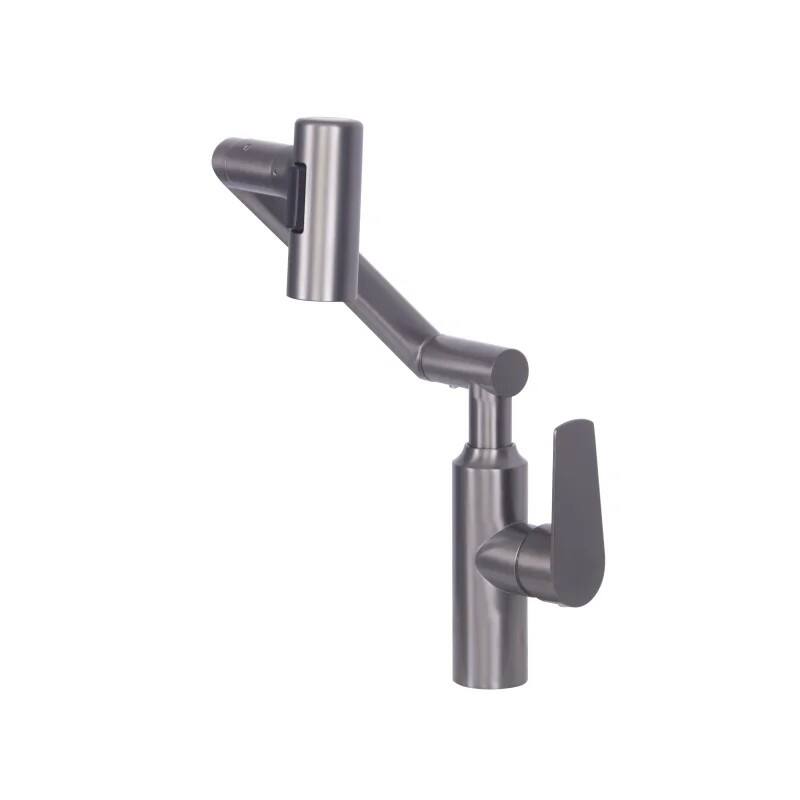


Sourcing kitchen mixers for the European Union market requires comprehensive understanding of regulatory compliance and certification standards. European manufacturers, importers, and distributors must navigate a complex landscape of safety requirements, environmental regulations, and quality assurance protocols. The EU market demands strict adherence to established certification processes that ensure kitchen mixers meet both consumer safety expectations and environmental sustainability goals. Understanding these certification requirements is essential for successful market entry and long-term business operations within the European economic zone.
Mandatory CE Marking Requirements
Understanding CE Conformity Assessment
The CE marking represents the foundation of kitchen mixers compliance within the European Union market. This mandatory conformity marking indicates that products meet essential health, safety, and environmental protection requirements established by EU legislation. Kitchen mixers must undergo thorough conformity assessment procedures before receiving CE marking authorization. The manufacturer or authorized representative bears full responsibility for ensuring compliance with applicable EU directives and regulations.
CE marking compliance involves multiple assessment stages, including technical documentation preparation, conformity declaration drafting, and ongoing quality management system implementation. Kitchen mixers manufacturers must establish comprehensive technical files containing design specifications, risk assessments, test reports, and manufacturing process documentation. These technical files serve as evidence of compliance and must remain available for regulatory authorities upon request.
Technical Documentation Standards
Comprehensive technical documentation forms the backbone of CE marking compliance for kitchen mixers in the EU market. Documentation requirements include detailed product specifications, material composition reports, manufacturing process descriptions, and quality control procedures. Risk assessment documentation must identify potential hazards associated with kitchen mixers operation and demonstrate implemented mitigation measures.
Technical files must include harmonized standards references, test certificates from accredited laboratories, and conformity assessment body involvement documentation where applicable. Kitchen mixers manufacturers should maintain updated documentation reflecting any design modifications, material changes, or manufacturing process improvements. Regular documentation reviews ensure ongoing compliance with evolving EU regulatory requirements and industry best practices.
Water Safety and Quality Certifications
Drinking Water Directive Compliance
Kitchen mixers intended for potable water contact must comply with the EU Drinking Water Directive requirements ensuring water quality protection. This directive establishes strict standards for materials contacting drinking water, including lead content limitations, chemical migration thresholds, and microbiological safety parameters. Manufacturers must demonstrate that kitchen mixers materials do not adversely affect water taste, odor, or chemical composition.
Compliance verification requires extensive testing using harmonized European standards for water contact materials. Kitchen mixers components must undergo migration testing, corrosion resistance evaluation, and long-term durability assessment. Testing protocols examine material behavior under various water conditions, including different pH levels, temperatures, and chemical compositions commonly encountered in European water supply systems.
Material Safety and Chemical Compliance
Material selection for kitchen mixers must consider comprehensive chemical safety requirements established by EU regulations. The REACH regulation governs chemical substances used in manufacturing processes, requiring detailed safety data sheets and substance registration for chemicals produced or imported in quantities exceeding specified thresholds. Kitchen mixers manufacturers must ensure all materials comply with REACH requirements and maintain updated chemical safety documentation.
Heavy metal content limitations represent critical compliance considerations for kitchen mixers destined for EU markets. Lead content restrictions, in particular, require careful attention as EU regulations establish increasingly stringent limits for lead migration from water contact materials. Manufacturers must implement robust quality control procedures ensuring consistent compliance with heavy metal limitations throughout production processes.

Energy Efficiency and Environmental Standards
Energy Related Products Directive
The Energy Related Products Directive establishes ecodesign requirements for kitchen mixers incorporating energy-consuming components or features. This directive aims to improve environmental performance throughout product lifecycle stages, including manufacturing, operation, and end-of-life disposal. Kitchen mixers with electronic components, heating elements, or water flow regulation systems must comply with specific energy efficiency requirements.
Ecodesign compliance involves comprehensive lifecycle assessment, energy consumption measurement, and environmental impact evaluation. Manufacturers must demonstrate kitchen mixers meet established energy efficiency benchmarks and implement design measures minimizing environmental impact. Documentation requirements include energy consumption data, material composition reports, and recyclability assessments supporting environmental performance claims.
Waste Electrical and Electronic Equipment Directive
Kitchen mixers containing electrical or electronic components fall under WEEE Directive requirements governing electronic waste management and producer responsibility obligations. This directive establishes collection, treatment, recovery, and recycling targets for electronic equipment, including kitchen appliances with electronic features. Manufacturers must participate in WEEE compliance schemes or establish individual take-back programs.
WEEE compliance requires registration with national authorities in each EU member state where kitchen mixers are marketed. Producers must provide financial guarantees covering collection and treatment costs for products placed on the market. Additionally, kitchen mixers must display WEEE symbols indicating separate collection requirements and include user information about proper disposal procedures.
Quality Management and Testing Protocols
ISO Quality Management Systems
Implementing robust quality management systems represents essential infrastructure supporting kitchen mixers certification and ongoing compliance maintenance. ISO 9001 quality management standards provide framework for establishing systematic quality control procedures, continuous improvement processes, and customer satisfaction monitoring. Many EU importers and distributors require ISO 9001 certification as prerequisite for supplier qualification.
Quality management system implementation encompasses all aspects of kitchen mixers production, from incoming material inspection through final product testing and customer delivery. Documented procedures must address design control, purchasing requirements, production processes, inspection protocols, and corrective action procedures. Regular management reviews and internal audits ensure system effectiveness and identify improvement opportunities.
Third-Party Testing and Certification
Independent testing by accredited laboratories provides objective verification of kitchen mixers compliance with EU requirements. Third-party testing encompasses safety performance evaluation, material compliance verification, and environmental impact assessment. Testing protocols must follow harmonized European standards ensuring consistency and mutual recognition across EU member states.
Accredited certification bodies provide additional assurance through product certification schemes and factory inspection programs. These certification programs verify manufacturing process consistency, quality control effectiveness, and ongoing compliance maintenance. Kitchen mixers bearing recognized certification marks often enjoy enhanced market acceptance and reduced regulatory scrutiny during customs clearance procedures.
Market Surveillance and Compliance Monitoring
Post-Market Surveillance Requirements
EU market surveillance authorities conduct ongoing monitoring activities ensuring kitchen mixers maintain compliance throughout their market lifecycle. Post-market surveillance includes random product sampling, laboratory testing, factory inspections, and consumer complaint investigation. Manufacturers must establish systems for tracking product performance, collecting user feedback, and implementing corrective actions when compliance issues arise.
Effective post-market surveillance requires comprehensive traceability systems enabling rapid product identification and recall procedures when necessary. Kitchen mixers must bear unique identification markings facilitating product tracking throughout distribution channels. Manufacturers should maintain detailed records of product placement, customer information, and distribution networks supporting efficient recall execution if required.
Corrective Action and Recall Procedures
Established procedures for addressing compliance deviations and implementing corrective actions represent critical components of EU market participation. Kitchen mixers manufacturers must develop systematic approaches for investigating compliance issues, determining root causes, and implementing effective corrective measures. Timely communication with regulatory authorities and affected customers ensures transparent handling of compliance concerns.
Product recall procedures must address notification requirements, customer communication protocols, product retrieval logistics, and corrective action implementation. Manufacturers should maintain updated contact databases enabling rapid customer notification and coordinate with distribution partners ensuring effective recall execution. Detailed documentation of recall activities provides evidence of responsible manufacturer behavior and regulatory cooperation.
FAQ
What is the most important certification for kitchen mixers in the EU
The CE marking represents the most fundamental certification requirement for kitchen mixers in the European Union market. CE marking indicates compliance with essential health, safety, and environmental protection requirements established by EU legislation. Without valid CE marking, kitchen mixers cannot be legally marketed within the EU economic zone.
How long does kitchen mixer certification typically take
Kitchen mixers certification timelines vary depending on product complexity, testing requirements, and certification body availability. Simple mechanical kitchen mixers may complete certification processes within 6-12 weeks, while electronic models requiring comprehensive testing may need 12-20 weeks. Preparation time for technical documentation and quality management system implementation should be considered additional to testing periods.
Are there different certification requirements for different EU countries
While EU regulations establish harmonized requirements across member states, some countries maintain additional national standards or registration procedures for kitchen mixers. Manufacturers should verify specific national requirements in target markets, particularly regarding product registration, distributor licensing, or additional testing protocols beyond standard EU requirements.
What happens if kitchen mixers fail certification testing
Failed certification testing requires manufacturers to identify non-compliance causes and implement corrective actions before retesting. Common failure reasons include material composition issues, design deficiencies, or manufacturing process problems. Manufacturers must address root causes through design modifications, material changes, or process improvements before pursuing certification retry attempts.