 EN
EN


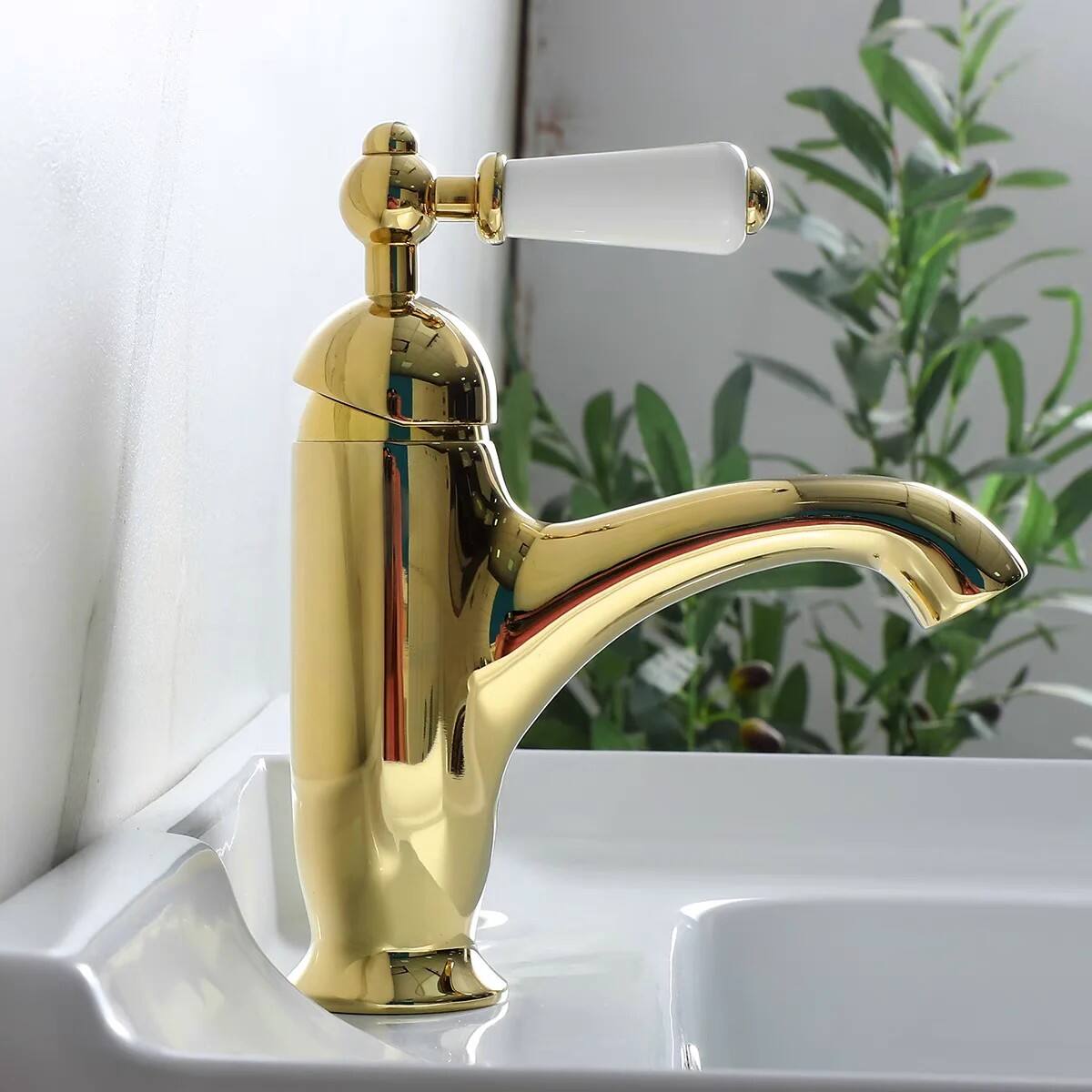
Commercial bathrooms face unique challenges that residential spaces rarely encounter, making the selection of appropriate bathroom tap materials a critical decision for facility managers and architects. The constant use, varying water quality, and demanding maintenance schedules require fixtures that can withstand extensive wear while maintaining both functionality and aesthetic appeal. Understanding which bathroom tap materials deliver superior longevity becomes essential when balancing initial investment costs against long-term replacement and maintenance expenses.
The durability of commercial fixtures depends heavily on material composition, manufacturing processes, and protective coatings applied during production. Premium bathroom tap materials undergo rigorous testing to ensure they meet industry standards for corrosion resistance, mechanical strength, and surface durability. These materials must perform consistently across diverse environmental conditions while resisting the chemical effects of cleaning agents commonly used in commercial facilities.
Brass Construction and Its Commercial Advantages
Solid Brass Components
Solid brass represents one of the most reliable bathroom tap materials for commercial applications due to its exceptional resistance to corrosion and mechanical wear. This alloy typically contains copper and zinc in carefully controlled proportions, creating a material that naturally resists bacterial growth while maintaining structural integrity under constant use. The antimicrobial properties of brass make it particularly valuable in healthcare facilities, schools, and other high-traffic commercial environments where hygiene remains paramount.
Manufacturing processes for solid brass fixtures involve precision casting or forging techniques that eliminate weak points commonly found in assembled components. The density and uniformity of solid brass bathroom tap materials ensure consistent performance across temperature variations and pressure fluctuations typical in commercial plumbing systems. Quality brass fixtures often feature lead-free compositions that comply with modern safety regulations while delivering the durability characteristics that facility managers require.
Brass Plating Systems
Advanced brass plating technologies have revolutionized how bathroom tap materials achieve both durability and aesthetic appeal in commercial settings. Multiple-layer plating systems typically begin with nickel base coats that provide corrosion protection, followed by decorative brass layers that resist tarnishing and wear. These sophisticated coating systems can extend fixture lifespan significantly compared to single-layer alternatives.
The thickness and quality of brass plating directly influence long-term performance, with commercial-grade bathroom tap materials featuring substantially heavier plating than residential alternatives. Professional specifications often require minimum plating thicknesses measured in microns, ensuring adequate protection against the aggressive cleaning chemicals and frequent use patterns characteristic of commercial facilities. Properly applied brass plating systems maintain their appearance and protective properties for decades when correctly maintained.
Stainless Steel Solutions for Heavy-Duty Applications
Grade Classifications
Stainless steel bathroom tap materials offer unparalleled durability through carefully engineered alloy compositions that resist corrosion, staining, and mechanical damage. Commercial applications typically specify 316 or 304 stainless steel grades, each offering distinct advantages depending on environmental conditions and usage requirements. Grade 316 stainless steel contains molybdenum additions that provide superior resistance to chloride corrosion, making it ideal for coastal installations or facilities using chlorinated water systems.
The austenitic structure of premium stainless steel bathroom tap materials ensures consistent performance across wide temperature ranges while resisting stress corrosion cracking under mechanical loading. These materials maintain their structural properties even when exposed to acidic cleaning solutions or alkaline water conditions that might compromise alternative materials. The non-porous surface characteristics of stainless steel prevent bacterial accumulation and simplify maintenance procedures in commercial applications.
Surface Finishing Techniques
Advanced surface finishing processes transform raw stainless steel into bathroom tap materials with enhanced durability and aesthetic properties. Electropolishing techniques remove surface irregularities while creating a passive oxide layer that provides additional corrosion protection. This process results in smoother surfaces that resist fingerprinting and water spotting, reducing maintenance requirements in high-traffic commercial environments.
Specialized brushed finishes on stainless steel bathroom tap materials offer practical advantages in commercial settings by concealing minor scratches and water marks that inevitably occur during normal use. These finishes maintain their appearance longer than polished alternatives while providing the same underlying durability characteristics. The grain patterns created during brushing processes can be oriented to complement architectural design elements while ensuring optimal performance.
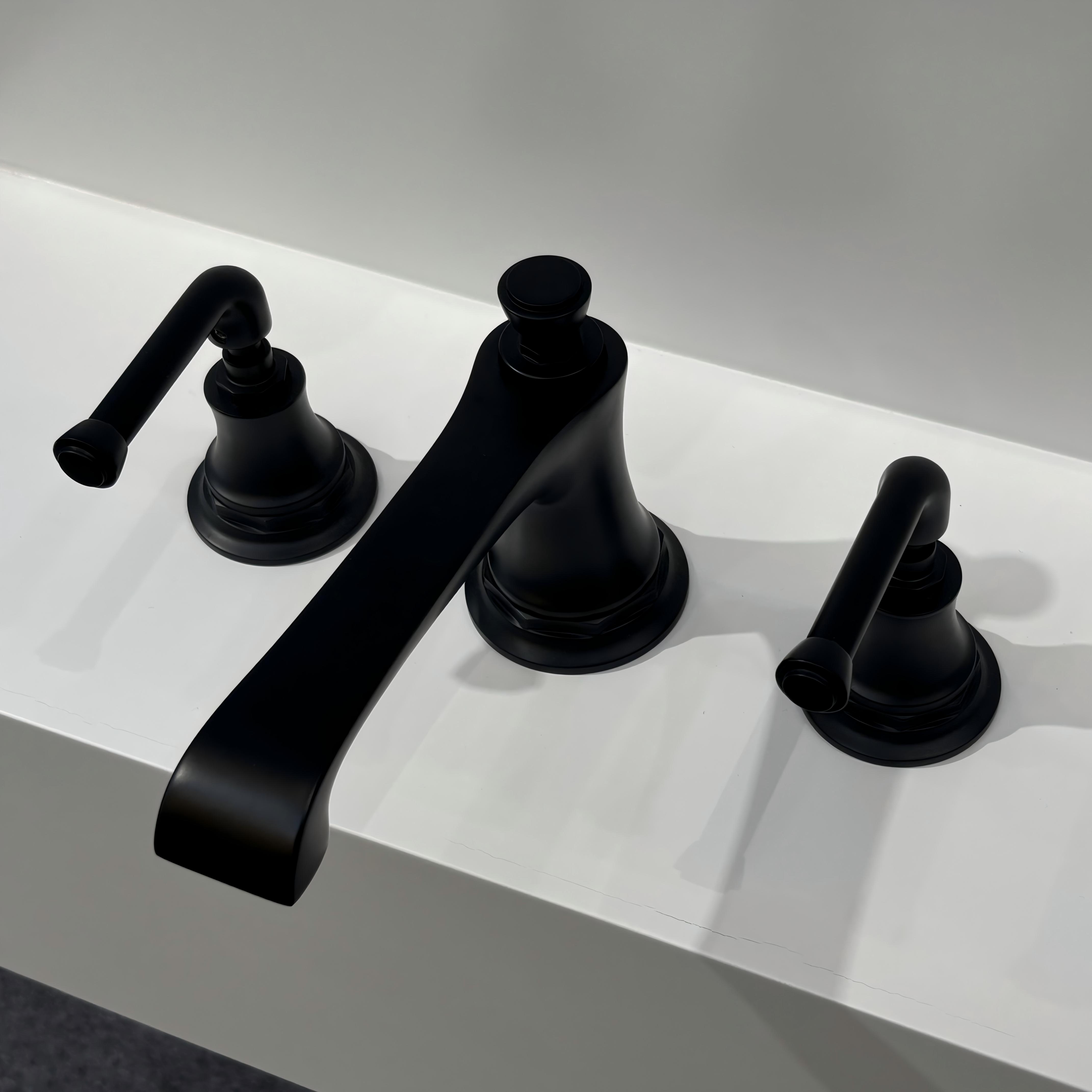
Chrome and Nickel Coating Systems
Multi-Layer Protection
Chrome-plated bathroom tap materials achieve exceptional durability through sophisticated multi-layer coating systems that provide both aesthetic appeal and functional protection. The typical coating sequence begins with copper base layers that ensure proper adhesion, followed by nickel layers that provide corrosion resistance, and finally decorative chrome layers that deliver the desired appearance. This systematic approach creates bathroom tap materials capable of withstanding decades of commercial use.
The electrochemical properties of chrome coatings make them particularly resistant to wear and chemical attack from cleaning agents commonly used in commercial facilities. Quality chrome-plated bathroom tap materials feature coating thicknesses that exceed residential standards, ensuring adequate protection even under the most demanding conditions. The hardness characteristics of chrome surfaces resist scratching and abrasion while maintaining their reflective properties throughout extended service life.
Maintenance Requirements
Proper maintenance protocols for chrome-plated bathroom tap materials significantly influence their operational lifespan in commercial applications. Regular cleaning with appropriate pH-neutral products prevents the accumulation of mineral deposits and chemical residues that might compromise coating integrity. Understanding which cleaning agents are compatible with chrome surfaces becomes essential for facility management teams responsible for maintaining these fixtures.
The durability of chrome-plated bathroom tap materials depends heavily on preventing physical damage that might penetrate the protective coating layers. Facility maintenance staff should receive training on proper cleaning techniques that avoid abrasive materials or excessive mechanical pressure. When properly maintained, chrome coatings can provide decades of reliable service while retaining their original appearance and protective properties.
Ceramic and Composite Innovations
Advanced Ceramic Applications
Modern ceramic bathroom tap materials incorporate advanced engineering ceramics that offer unique combinations of durability, chemical resistance, and aesthetic versatility. These materials resist thermal shock, chemical corrosion, and mechanical wear while maintaining dimensional stability under varying environmental conditions. The non-metallic nature of ceramic components eliminates concerns about galvanic corrosion that might affect mixed-material installations.
Technical ceramics used in commercial bathroom tap materials often feature specialized compositions that enhance specific performance characteristics. Zirconia-based ceramics provide exceptional hardness and wear resistance, while alumina compositions offer superior chemical inertness. The manufacturing precision achievable with ceramic materials enables tight tolerances that ensure proper operation throughout extended service life.
Composite Material Systems
Innovative composite bathroom tap materials combine multiple material types to achieve performance characteristics unattainable with single-material approaches. These systems might incorporate metallic substrates for structural strength, ceramic components for wear resistance, and polymer elements for chemical compatibility. The resulting bathroom tap materials offer comprehensive solutions for demanding commercial applications.
The engineering flexibility available with composite systems allows manufacturers to optimize material properties for specific commercial applications. Facility managers can select bathroom tap materials tailored to their particular environmental conditions, usage patterns, and maintenance capabilities. This customization capability represents a significant advantage in commercial installations where standard materials might not provide optimal performance.
Environmental and Chemical Resistance Factors
Water Quality Considerations
The chemical composition of water supplies significantly influences the performance and longevity of bathroom tap materials in commercial installations. Hard water containing elevated mineral concentrations can cause scaling and corrosion issues that affect both appearance and functionality. Understanding local water quality parameters becomes essential when selecting appropriate bathroom tap materials for specific commercial projects.
Chlorine levels in municipal water supplies present particular challenges for certain bathroom tap materials, potentially causing premature degradation of protective coatings or base materials. Facilities using water treatment systems must consider how these chemicals might interact with fixture materials over extended periods. The selection process should account for both current water quality conditions and potential future changes in treatment protocols.
Cleaning Chemical Compatibility
Commercial cleaning protocols often involve chemicals that can damage inappropriate bathroom tap materials through corrosion, discoloration, or coating degradation. Acidic cleaners used for lime scale removal might attack certain metal surfaces, while alkaline degreasers can compromise polymer components. Understanding chemical compatibility becomes crucial for maintaining fixture integrity throughout their operational life.
The resistance of bathroom tap materials to various cleaning agents depends on both material composition and surface treatments applied during manufacturing. Facility managers should establish cleaning protocols that balance effectiveness with material compatibility, ensuring that maintenance procedures enhance rather than compromise fixture longevity. Documentation of approved cleaning products and procedures helps maintain consistency across maintenance teams.
Installation and Long-Term Performance Considerations
Installation Requirements
Proper installation procedures significantly influence the long-term performance of bathroom tap materials in commercial applications. The mounting systems, sealing materials, and connection methods must be compatible with both the fixture materials and the building infrastructure. Galvanic compatibility between different metals prevents corrosion issues that might compromise system integrity over time.
Professional installation teams should understand the specific requirements for different bathroom tap materials, including torque specifications, sealing procedures, and compatibility considerations. The quality of installation workmanship often determines whether premium materials achieve their full performance potential in commercial service. Proper documentation of installation procedures facilitates future maintenance and troubleshooting activities.
Lifecycle Cost Analysis
Comprehensive lifecycle cost analysis reveals the true value proposition of different bathroom tap materials in commercial applications. While premium materials might require higher initial investments, their extended service life and reduced maintenance requirements often provide superior long-term value. Facility managers should consider replacement costs, downtime impacts, and maintenance labor requirements when evaluating material options.
The total cost of ownership for bathroom tap materials includes factors beyond initial purchase price and installation costs. Energy consumption for heating water, water waste from leaking fixtures, and productivity impacts from maintenance activities all contribute to lifecycle costs. Selecting durable bathroom tap materials that minimize these secondary costs often justifies premium initial investments.
FAQ
What are the most durable bathroom tap materials for high-traffic commercial facilities
Solid brass and 316-grade stainless steel represent the most durable bathroom tap materials for high-traffic commercial applications. These materials offer exceptional corrosion resistance, mechanical strength, and longevity under constant use. Solid brass provides natural antimicrobial properties while stainless steel delivers unmatched chemical resistance and ease of maintenance.
How do water quality conditions affect bathroom tap material selection
Water quality significantly influences bathroom tap materials performance, with hard water causing scaling issues and chlorinated supplies potentially degrading certain coatings. Facilities should analyze their water chemistry and select materials specifically engineered for those conditions. Stainless steel grades with molybdenum additions perform well in chlorinated environments, while brass materials resist mineral scaling effectively.
Which bathroom tap materials require the least maintenance in commercial settings
Stainless steel bathroom tap materials typically require the least maintenance due to their non-porous surfaces and resistance to bacterial growth and chemical attack. Brushed finishes on stainless steel hide water spots and minor scratches better than polished alternatives. Solid brass materials also offer low maintenance requirements while providing natural antimicrobial properties valuable in healthcare applications.
How long should commercial bathroom tap materials last before replacement
Quality bathroom tap materials in commercial applications should provide 15-25 years of reliable service when properly selected and maintained. Solid brass and premium stainless steel fixtures often exceed this timeframe, while chrome-plated materials typically achieve 10-15 years depending on usage intensity and maintenance quality. Regular maintenance and appropriate cleaning protocols significantly extend fixture lifespan regardless of base material selection.
Table of Contents
- Brass Construction and Its Commercial Advantages
- Stainless Steel Solutions for Heavy-Duty Applications
- Chrome and Nickel Coating Systems
- Ceramic and Composite Innovations
- Environmental and Chemical Resistance Factors
- Installation and Long-Term Performance Considerations
-
FAQ
- What are the most durable bathroom tap materials for high-traffic commercial facilities
- How do water quality conditions affect bathroom tap material selection
- Which bathroom tap materials require the least maintenance in commercial settings
- How long should commercial bathroom tap materials last before replacement