 EN
EN


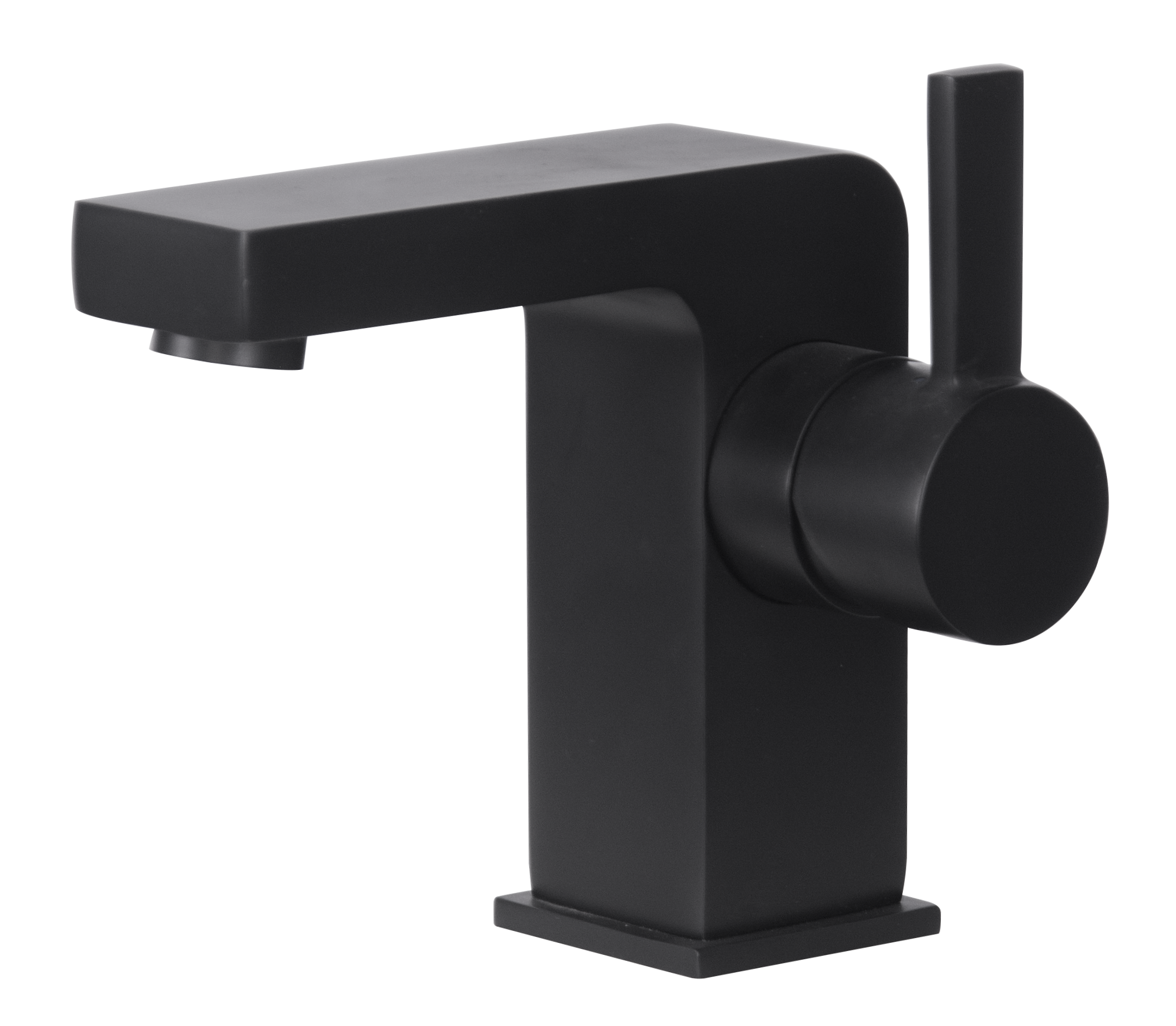
Selecting the right basin mixer for your bathroom requires careful consideration of various technical and aesthetic factors that directly impact both functionality and long-term performance. A basin mixer serves as the central control point for water flow and temperature regulation at your bathroom sink, making it essential to choose a model that seamlessly integrates with your existing plumbing infrastructure while meeting your daily usage requirements.
Modern plumbing systems present unique challenges when selecting appropriate fixtures, particularly regarding water pressure compatibility, pipe configuration, and installation requirements. Understanding these fundamental aspects ensures optimal performance and prevents costly modifications or replacements down the line. Professional plumbers and homeowners alike must evaluate multiple criteria to achieve the perfect balance between functionality, durability, and visual appeal.
The complexity of contemporary bathroom design demands fixtures that not only perform reliably but also complement the overall aesthetic while accommodating specific technical constraints. From pressure requirements to mounting configurations, each element plays a crucial role in determining the most suitable basin mixer for your particular application.
Understanding Plumbing System Compatibility
Water Pressure Requirements and Flow Rates
Water pressure compatibility represents one of the most critical factors when selecting a basin mixer for any plumbing system. Standard residential water pressure typically ranges from 1.0 to 3.0 bar, though some systems operate at higher or lower pressures depending on the building's infrastructure and water supply configuration. Low-pressure systems, commonly found in older buildings or gravity-fed installations, require specifically designed basin mixers that can function effectively with minimal water pressure.
High-pressure systems, conversely, demand basin mixers constructed with robust internal components capable of withstanding increased water force without compromising seal integrity or operational smoothness. Many modern basin mixer designs incorporate pressure-reducing valves or flow restrictors to optimize performance across varying pressure conditions while maintaining consistent water delivery.
Flow rate specifications directly correlate with water pressure and significantly impact user experience and water conservation efforts. Contemporary basin mixers typically deliver flow rates between 4-8 liters per minute at standard operating pressure, though eco-friendly models may incorporate flow restriction technology to reduce consumption without sacrificing functionality.
Hot and Cold Water Supply Configuration
The configuration of hot and cold water supply lines fundamentally determines which basin mixer types are compatible with your plumbing system. Traditional separate hot and cold supply systems require basin mixers designed to accommodate dual inlet connections, typically featuring 15mm compression fittings or threaded connections depending on the existing pipe work.
Combination boiler systems and instantaneous water heaters may present specific compatibility considerations, particularly regarding maximum operating temperatures and thermal shock resistance. Basin mixers intended for use with these systems must incorporate appropriate safety features and materials capable of withstanding temperature fluctuations without degradation or failure.
Balanced pressure systems, where hot and cold water supplies maintain similar pressure levels, enable optimal performance from most modern basin mixer designs. Unbalanced systems, however, may require specialized mixing valves or pressure balancing mechanisms to ensure consistent temperature control and prevent scalding or thermal shock.
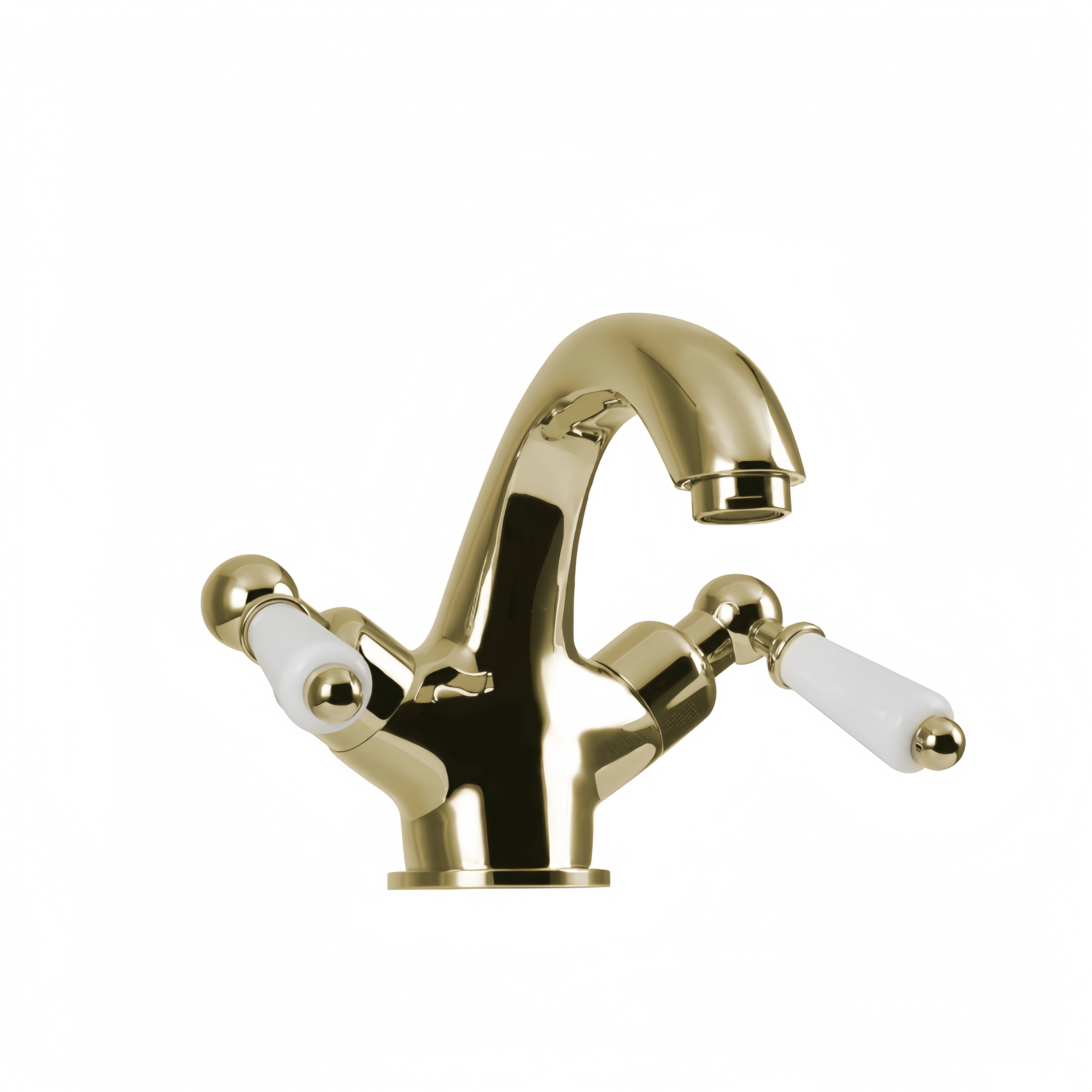
Basin Mixer Types and Mounting Options
Single Handle vs Dual Handle Designs
Single handle basin mixers offer convenient operation through a unified control mechanism that simultaneously manages both flow rate and temperature mixing. These designs typically incorporate ceramic disc or cartridge technology to ensure smooth operation and long-term reliability while minimizing maintenance requirements. The compact control interface makes single handle models particularly suitable for smaller basin installations or contemporary design schemes emphasizing clean, minimalist aesthetics.
Dual handle basin mixers provide separate controls for hot and cold water, allowing users to fine-tune temperature and flow rate with greater precision. This configuration proves especially beneficial in commercial applications or households with varying user preferences, as individual controls enable customized settings without affecting the opposite temperature supply.
The choice between single and dual handle configurations often depends on personal preference, available mounting space, and specific functional requirements. Single handle units generally require less counter space and offer more streamlined operation, while dual handle designs provide enhanced control precision and may better accommodate certain plumbing configurations.
Deck-Mounted and Wall-Mounted Installation Methods
Deck-mounted basin mixers represent the most common installation method, requiring pre-drilled holes in the basin or countertop surface to accommodate the fixture and supply connections. Standard deck-mounted installations typically require one hole for single handle models or three holes for widespread dual handle configurations, though some designs may require additional holes for accessories or special features.
Wall-mounted basin mixer installations offer several advantages, including easier cleaning around the basin area, enhanced visual appeal through suspended basin designs, and greater flexibility in basin selection since no holes are required in the basin surface. However, wall-mounted installations demand careful planning of supply line routing and may require additional structural considerations to ensure adequate support.
The selection between deck-mounted and wall-mounted options depends heavily on existing plumbing infrastructure, basin design, and aesthetic preferences. Wall-mounted installations typically require more extensive plumbing modifications but offer greater design flexibility, while deck-mounted options generally provide simpler installation with broader compatibility across different basin styles.
Material Selection and Durability Considerations
Brass vs Stainless Steel Construction
Brass construction remains the preferred material for high-quality basin mixer manufacturing due to its excellent corrosion resistance, machinability, and long-term durability. Lead-free brass alloys specifically designed for potable water applications ensure safe drinking water contact while maintaining the material's inherent antimicrobial properties and resistance to dezincification in aggressive water conditions.
Stainless steel basin mixers offer exceptional corrosion resistance and maintain their appearance over extended periods, particularly in challenging water conditions or high-use environments. The material's non-porous surface resists bacterial growth and simplifies cleaning and maintenance procedures, making stainless steel construction particularly suitable for commercial or healthcare applications.
Both materials provide excellent longevity when properly manufactured and finished, though brass typically offers superior machinability for complex internal mechanisms, while stainless steel excels in harsh chemical environments or applications requiring enhanced hygiene standards. The choice between materials often depends on specific application requirements, budget considerations, and long-term maintenance preferences.
Surface Finishes and Coating Technologies
Chrome plating represents the most popular surface finish for basin mixers due to its brilliant appearance, excellent corrosion resistance, and relatively low cost compared to premium alternatives. Modern chrome plating processes incorporate multiple layers including copper, nickel, and chrome to ensure long-term durability and consistent appearance retention under normal use conditions.
Brushed finishes, including brushed nickel and brushed stainless steel, offer enhanced resistance to water spots and fingerprints while providing a sophisticated appearance that complements contemporary design trends. These finishes typically require specialized maintenance procedures to preserve their appearance but offer superior hiding of minor scratches and wear marks compared to polished surfaces.
Premium finishes such as gold, oil-rubbed bronze, and physical vapor deposition coatings provide enhanced durability and unique aesthetic options for high-end applications. These specialized coatings often incorporate advanced bonding technologies that ensure long-term adhesion and resistance to wear, though they typically command higher prices and may require specific maintenance procedures to preserve their appearance.
Installation Requirements and Professional Considerations
Plumbing Modifications and Accessibility
Installing a new basin mixer often requires modifications to existing supply lines, particularly when upgrading from older fixtures or changing mounting configurations. Standard supply line connections utilize 15mm compression fittings or 1/2-inch threaded connections, though some installations may require adapters or supply line extensions to accommodate new fixture placement.
Accessibility considerations become particularly important in renovation projects where existing plumbing may be concealed within walls or difficult-to-reach locations. Professional plumbers must evaluate supply line routing, shut-off valve locations, and potential obstacles before recommending specific basin mixer models or installation approaches.
Modern installations increasingly incorporate flexible supply lines and quarter-turn shut-off valves to simplify future maintenance and replacement procedures. These components enable easier fixture removal for cleaning or repair while ensuring reliable water supply control during service procedures.
Compliance with Building Codes and Standards
Building codes and plumbing standards vary significantly across different jurisdictions, though most modern codes require basin mixers to meet specific performance and safety criteria including backflow prevention, maximum flow rates, and temperature limiting features. Professional installers must verify local code requirements before selecting and installing new basin mixer fixtures.
Water conservation regulations increasingly influence basin mixer selection, with many jurisdictions mandating maximum flow rates or requiring WaterSense certification for new installations. These requirements ensure environmental compliance while potentially reducing long-term operating costs through decreased water consumption.
Safety standards typically address scald prevention, particularly in commercial or healthcare applications where vulnerable populations may be present. Thermostatic mixing valves or temperature-limiting devices may be required in certain installations to comply with applicable safety regulations and protect users from excessive water temperatures.
Maintenance and Longevity Factors
Cartridge and Seal Replacement Procedures
Modern basin mixer designs typically incorporate replaceable cartridge systems that enable straightforward maintenance and repair procedures without requiring complete fixture replacement. Ceramic disc cartridges represent the current industry standard, offering smooth operation, excellent sealing properties, and extended service life under normal operating conditions.
Regular maintenance schedules should include periodic cartridge inspection and replacement based on usage patterns and water quality conditions. Hard water areas may require more frequent cartridge replacement due to mineral buildup, while soft water conditions typically extend cartridge life but may accelerate seal degradation in some designs.
Seal replacement procedures vary among different basin mixer designs, though most contemporary models incorporate easily accessible seals that can be replaced using standard plumbing tools. Proper seal selection ensures continued leak-proof operation and prevents water damage to surrounding surfaces and structures.
Cleaning and Care Protocols
Appropriate cleaning and care protocols significantly extend basin mixer service life while maintaining optimal appearance and functionality. Regular cleaning using mild, non-abrasive cleaners prevents mineral buildup and surface deterioration that can compromise both performance and aesthetics over time.
Specific cleaning requirements vary based on surface finish and water quality conditions, though most basin mixers benefit from weekly cleaning and immediate attention to water spots or mineral deposits. Harsh chemicals, abrasive cleaners, or steel wool should be avoided to prevent surface damage that can harbor bacteria or accelerate corrosion.
Aerator maintenance represents a critical but often overlooked aspect of basin mixer care, as clogged aerators can significantly reduce flow performance and water quality. Regular aerator cleaning or replacement ensures optimal flow characteristics while preventing bacterial growth in stagnant water conditions.
FAQ
What water pressure range do most basin mixers require for optimal performance?
Most standard basin mixers operate optimally within a water pressure range of 1.0 to 3.0 bar, though specific requirements vary among manufacturers and designs. Low-pressure systems below 0.5 bar may require specialized low-pressure basin mixers, while high-pressure systems exceeding 5.0 bar should incorporate pressure-reducing valves to prevent premature wear and ensure smooth operation.
How do I determine if my existing plumbing system can accommodate a wall-mounted basin mixer?
Wall-mounted basin mixer compatibility depends on supply line accessibility within the wall cavity and adequate structural support for the mounting hardware. Professional assessment should evaluate existing pipe routing, wall construction, and potential modification requirements. Most installations require supply lines positioned approximately 150-200mm above the basin rim and 100-150mm apart horizontally.
What maintenance schedule should I follow to maximize basin mixer lifespan?
Regular maintenance should include weekly cleaning with mild detergent, monthly aerator inspection and cleaning, and annual cartridge examination for wear or mineral buildup. Professional service every 3-5 years ensures optimal performance and identifies potential issues before they require major repairs. Hard water areas may require more frequent attention to prevent mineral accumulation that can impair operation.
Are there specific basin mixer requirements for commercial or healthcare applications?
Commercial and healthcare installations typically require basin mixers meeting enhanced durability standards, antimicrobial surface treatments, and specific safety features including temperature limiting devices or hands-free operation. Many jurisdictions mandate compliance with ADA accessibility requirements, infection control standards, and water conservation regulations that influence fixture selection and installation procedures.
Table of Contents
- Understanding Plumbing System Compatibility
- Basin Mixer Types and Mounting Options
- Material Selection and Durability Considerations
- Installation Requirements and Professional Considerations
- Maintenance and Longevity Factors
-
FAQ
- What water pressure range do most basin mixers require for optimal performance?
- How do I determine if my existing plumbing system can accommodate a wall-mounted basin mixer?
- What maintenance schedule should I follow to maximize basin mixer lifespan?
- Are there specific basin mixer requirements for commercial or healthcare applications?