 EN
EN


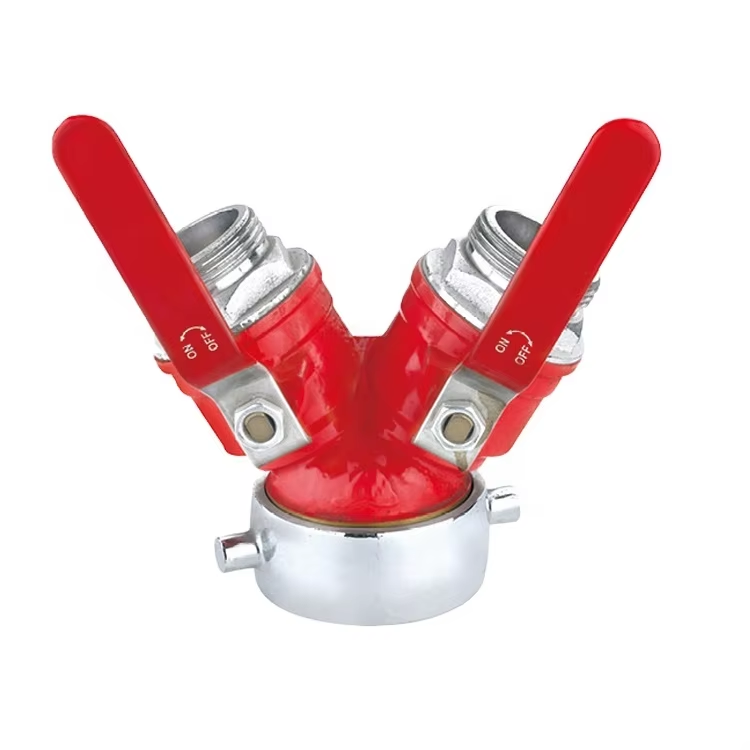
Shower temperature stability represents one of the most critical aspects of modern bathroom comfort and safety. When water temperatures fluctuate unexpectedly during a shower, the experience becomes uncomfortable and potentially dangerous. The key component responsible for maintaining consistent water temperatures lies in the sophisticated engineering of mixer valves, which serve as the central control mechanism for blending hot and cold water streams. These precision-engineered devices have revolutionized how we experience daily bathing routines by eliminating sudden temperature spikes and drops that were common with traditional plumbing systems.
The relationship between mixer valves and temperature consistency extends beyond simple comfort considerations. Modern building codes increasingly require thermostatic mixing systems in residential and commercial applications due to their proven ability to prevent scalding injuries. Understanding how these systems function provides insight into why investing in quality mixing technology delivers long-term benefits for both safety and user satisfaction in contemporary plumbing installations.
Fundamental Mechanics of Temperature Control Systems
Thermostatic Valve Operation Principles
Thermostatic mixer valves operate through sophisticated internal mechanisms that automatically adjust water flow ratios based on temperature variations in the supply lines. The heart of these systems contains a thermostatic element, typically a wax-filled cartridge or bimetallic coil, that expands and contracts in response to water temperature changes. When hot water supply temperature increases, the thermostatic element expands, reducing hot water flow while simultaneously increasing cold water flow to maintain the preset temperature.
This automatic adjustment process occurs within milliseconds, ensuring that users experience minimal temperature fluctuation even when supply conditions change dramatically. The precision of modern thermostatic elements allows for temperature control within one to two degrees Fahrenheit, representing a significant improvement over manual mixing systems. Advanced models incorporate multiple sensing points and sophisticated calibration mechanisms that enhance response times and accuracy across varying flow conditions.
Pressure Balancing Mechanisms
Pressure balancing represents another critical function performed by advanced mixer valves in maintaining shower temperature stability. These systems monitor the pressure differential between hot and cold water supplies, automatically adjusting flow rates when pressure imbalances occur. Common scenarios that trigger pressure balancing include toilet flushing, dishwasher operation, or other fixtures drawing water from the same supply lines, which traditionally caused sudden temperature changes in shower applications.
The pressure balancing mechanism typically employs a sliding piston or diaphragm system that responds to pressure variations by restricting flow from the higher-pressure supply line. This mechanical response ensures that the ratio of hot to cold water remains consistent regardless of external demand fluctuations. Modern pressure balancing systems can accommodate pressure variations of up to 50 PSI while maintaining temperature stability within acceptable comfort ranges.
Advanced Temperature Regulation Technologies
Digital Control Integration
Contemporary mixer valves increasingly incorporate digital control systems that provide unprecedented precision in temperature management. These electronic systems utilize temperature sensors, microprocessors, and servo-controlled actuators to achieve temperature accuracy within fractions of a degree. Digital systems can store multiple user profiles, allowing different family members to instantly recall their preferred temperature settings without manual adjustment.
The integration of smart home connectivity enables remote monitoring and control of shower temperatures through smartphone applications or voice commands. Advanced digital systems also provide real-time feedback on water usage, energy consumption, and system performance diagnostics. These features contribute to both improved user experience and enhanced energy efficiency by optimizing heating system operation based on actual usage patterns and preferences.
Multi-Stage Temperature Compensation
Sophisticated mixer valve designs implement multi-stage temperature compensation to address various factors that influence water temperature delivery. These systems account for heat loss through piping, seasonal variations in supply water temperature, and the thermal mass effects of plumbing fixtures. Advanced compensation algorithms continuously monitor multiple temperature points throughout the distribution system to predict and preemptively adjust mixing ratios.
The multi-stage approach typically involves primary mixing at the water heater level, secondary adjustment at distribution points, and final precision control at individual fixtures. This layered strategy ensures optimal temperature stability while minimizing energy waste associated with overheating or extensive reheating cycles. Some systems incorporate learning algorithms that adapt to specific installation characteristics and usage patterns over time.
Installation Considerations for Optimal Performance
System Sizing and Flow Rate Matching
Proper sizing of mixer valve systems directly impacts their ability to maintain temperature stability across various flow conditions. Undersized systems may struggle to provide adequate mixing capacity during high-demand periods, while oversized installations can experience reduced sensitivity and slower response times. Professional sizing calculations must consider peak flow requirements, simultaneous usage patterns, and the pressure characteristics of both hot and cold water supply systems.
Flow rate matching between mixer valve capacity and shower fixture requirements ensures optimal performance across the intended operating range. Modern shower systems with multiple spray patterns, body jets, and overhead rainfall features require careful analysis of total flow demands to select appropriately sized mixing equipment. Proper matching also considers future expansion possibilities and seasonal variations in supply water conditions that may affect system performance.
Piping Configuration and Thermal Considerations
The piping configuration upstream and downstream of mixer valves significantly influences temperature stability performance. Proper installation requires attention to pipe sizing, insulation requirements, and the elimination of thermal bridges that can cause unwanted heat transfer. Strategic placement of mixing valves relative to water heaters and distribution points minimizes thermal lag and improves response times to temperature adjustments.
Thermal expansion considerations become critical in systems with long pipe runs or significant elevation changes. Proper expansion joint installation and pipe support systems prevent thermal stress that could affect valve operation or cause system failures. Advanced installations may incorporate recirculation systems or trace heating to maintain consistent supply temperatures and reduce the time required for temperature stabilization during initial system startup.
Maintenance Requirements and Performance Optimization
Regular Calibration and Testing Procedures
Maintaining optimal performance from mixer valve systems requires regular calibration and testing to ensure continued accuracy and safety compliance. Professional maintenance protocols typically include annual temperature accuracy verification, flow rate testing, and inspection of thermostatic elements for wear or damage. Digital systems may require software updates and sensor recalibration to maintain peak performance characteristics.
Testing procedures should encompass various operating conditions, including minimum and maximum flow rates, different supply temperatures, and emergency shutdown scenarios. Documentation of test results provides valuable data for trending system performance and identifying potential issues before they impact user safety or comfort. Many commercial installations require quarterly testing to meet building code requirements and insurance compliance standards.
Component Replacement and Upgrade Strategies
Strategic component replacement and system upgrades can significantly extend the effective life of mixer valve installations while improving performance characteristics. Thermostatic elements typically require replacement every five to ten years depending on water quality and usage patterns. Upgrading to newer cartridge designs often provides improved accuracy and faster response times without requiring complete system replacement.
Water quality considerations play a crucial role in determining maintenance intervals and component selection. Hard water conditions accelerate wear on moving parts and can cause mineral buildup that affects thermostatic element operation. Installing appropriate water treatment systems and selecting components designed for local water conditions reduces maintenance requirements and extends system life while maintaining optimal temperature control performance.
Safety Standards and Regulatory Compliance
Anti-Scald Protection Requirements
Modern safety standards mandate specific anti-scald protection capabilities for mixer valve systems in residential and commercial applications. These requirements typically specify maximum discharge temperatures under normal and failure conditions, ensuring user protection even when system components malfunction. Advanced mixer valves incorporate fail-safe mechanisms that automatically shut off water flow if temperature control systems detect dangerous conditions.
Compliance with Americans with Disabilities Act requirements necessitates additional safety considerations, including automatic temperature limiting and emergency shutoff accessibility. Commercial installations often require centralized monitoring systems that provide immediate notification of temperature excursions or system failures. Regular compliance testing and documentation ensure continued adherence to evolving safety standards and liability protection for property owners.
Energy Efficiency and Environmental Impact
Energy efficiency considerations increasingly influence mixer valve selection and installation decisions as building codes emphasize reduced environmental impact. High-efficiency systems minimize energy waste through precise temperature control, reduced warm-up times, and optimized mixing algorithms. Advanced systems can achieve energy savings of 15-25% compared to traditional manual mixing approaches through improved control precision and reduced water heating requirements.
Environmental impact assessments consider both operational efficiency and manufacturing sustainability factors. Systems designed for extended service life reduce replacement frequency and associated environmental costs. Water conservation features integrated into modern mixer valve systems contribute to overall sustainability goals while maintaining user comfort and safety standards required by contemporary building practices.
FAQ
How long do mixer valves typically last before requiring replacement
Quality mixer valves typically provide reliable service for 10-15 years with proper maintenance, though thermostatic cartridges may require replacement every 5-7 years depending on water quality and usage patterns. Digital control systems may have shorter electronic component lifespans but often feature modular designs allowing selective component replacement. Regular maintenance and water treatment can significantly extend system life while maintaining optimal performance characteristics.
Can mixer valves be retrofitted into existing shower systems
Most existing shower systems can accommodate mixer valve retrofits, though the complexity depends on current plumbing configuration and available space for installation. Simple pressure balancing valves often require minimal modifications, while thermostatic systems may necessitate additional piping and electrical work. Professional assessment ensures proper sizing and identifies any structural modifications required for successful integration with existing plumbing systems.
What causes mixer valves to lose temperature accuracy over time
Temperature accuracy degradation typically results from mineral buildup on thermostatic elements, wear of internal sealing components, or calibration drift in sensing mechanisms. Hard water conditions accelerate these processes, while improper installation or inadequate maintenance can cause premature performance deterioration. Regular cleaning, cartridge replacement, and professional calibration restore accuracy and extend system service life significantly.
Do mixer valves require special considerations for solar water heating systems
Solar water heating installations require mixer valves capable of handling higher supply temperatures and greater temperature variations than conventional systems. Special high-temperature thermostatic elements and enhanced safety features prevent overheating while maintaining user comfort during varying solar collection conditions. Proper system design includes tempering tanks and bypass provisions to ensure consistent performance regardless of solar heating system output variations.