 EN
EN


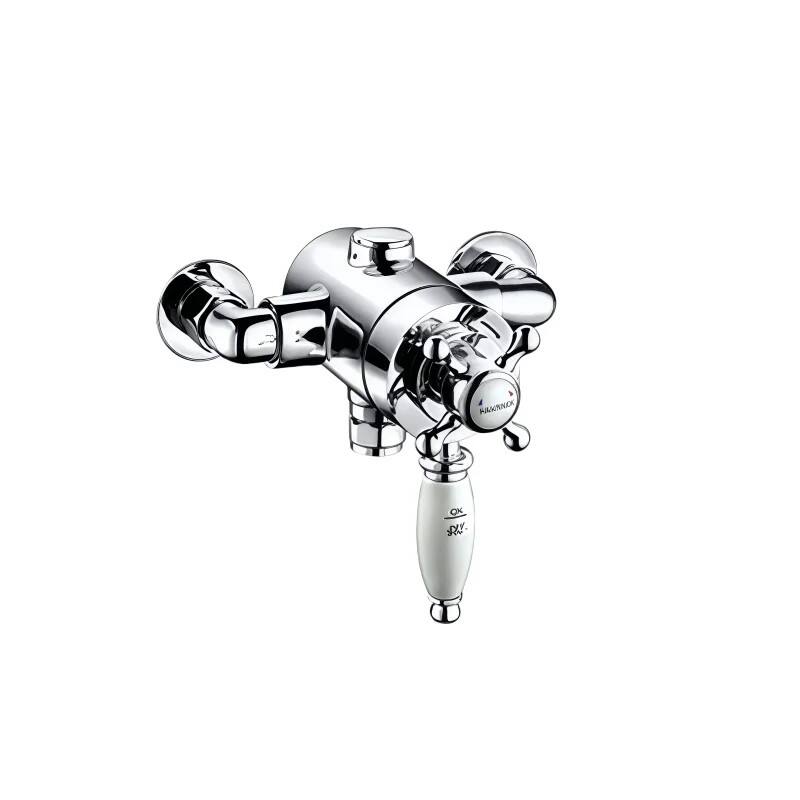
Les équipements sanitaires modernes sont soumis à des protocoles de test rigoureux afin de garantir leur conformité aux normes exigeantes des projets de construction contemporains. Notre laboratoire de durabilité à la pointe de la technologie représente le summum de l'assurance qualité. robes de douche , où chaque unité subit un régime de tests exhaustif de 500 000 cycles. Ce processus d’évaluation complet valide la longévité et la fiabilité exigées par les prescripteurs et les entrepreneurs pour leurs installations les plus exigeantes. Grâce à une automatisation avancée et à des systèmes de surveillance de précision, nous simulons des décennies d’utilisation réelle dans des conditions de laboratoire contrôlées, fournissant des données quantifiables sur les paramètres de performance les plus importants pour les professionnels du secteur.
Infrastructure et méthodologies de test avancées
Contrôles de l'environnement de laboratoire
Notre laboratoire d’essais maintient des paramètres environnementaux précis tout au long du processus d’évaluation afin d’assurer des résultats cohérents et reproductibles. Les systèmes de régulation de la température maintiennent des conditions ambiantes comprises entre 20 et 25 degrés Celsius, tandis que les dispositifs de contrôle de l’humidité empêchent toute interférence due à l’humidité pendant les cycles d’essai prolongés. Des plates-formes spécialisées d’isolation aux vibrations éliminent les perturbations externes susceptibles d’affecter la précision des mesures de contraintes mécaniques sur douche les vannes en cours de fonctionnement. Les protocoles de salle propre garantissent que les contaminants ne compromettent pas l’intégrité des composants internes des vannes pendant les phases de démontage et d’inspection.
La normalisation de la qualité de l'eau constitue un autre aspect essentiel de notre méthodologie d'essai. Elle utilise de l'eau déminéralisée à teneur contrôlée en minéraux afin de reproduire diverses conditions d'approvisionnement en eau potable. Des systèmes de régulation de pression assurent des débits constants sur plusieurs stations d'essai, permettant ainsi l'évaluation simultanée de différentes configurations de vannes dans des conditions identiques. Des systèmes d'acquisition de données enregistrent en temps réel les paramètres de performance, notamment les débits, les différentiels de pression et les variations de température, tout au long de chaque séquence d'essai.
Équipement de cyclisme automatisé
Les actionneurs pneumatiques assurent les cycles de fonctionnement répétitifs qui constituent le fondement de notre protocole d'évaluation de la durabilité. Ces systèmes de précision reproduisent les mouvements de la main lors des interactions typiques avec l'utilisateur, tout en maintenant une force d'application et des paramètres de synchronisation constants. Un séquencement informatisé garantit que chaque vanne subit des schémas de fonctionnement identiques, éliminant ainsi les variables humaines susceptibles de fausser les résultats comparatifs entre différents modèles et fabricants.
Les systèmes de positionnement servo-commandés permettent un réglage précis des angles de rotation des poignées et des mouvements des leviers afin de s'adapter aux spécificités de chaque vanne. Des capteurs de force surveillent le couple requis tout au long du cycle de vie, détectant les variations progressives de résistance mécanique qui indiquent l'usure des composants. Des capteurs avancés suivent les micromouvements et le jeu au niveau des points de pivot, fournissant ainsi des indicateurs précoces de défaillances potentielles avant toute panne catastrophique.
Protocoles complets d'évaluation des performances
Analyse des contraintes mécaniques
Chaque séquence de test soumet les robinets de douche à des contraintes mécaniques soigneusement calibrées, supérieures aux conditions normales d'utilisation résidentielle et commerciale. Des capteurs de force mesurent les forces transmises par les tiges et les mécanismes d'actionnement des robinets en fonctionnement, établissant ainsi des profils de contrainte précis pour les composants porteurs critiques. Les mesures par jauges de contrainte enregistrent les déformations des corps de robinets et des éléments de fixation sous les pressions de service maximales, permettant d'identifier les éventuels points faibles de la conception structurelle.
Les protocoles d'analyse de la fatigue évaluent les effets cumulatifs des cycles de contrainte répétitifs sur les propriétés des matériaux et l'intégrité des joints. Les systèmes d'imagerie haute résolution documentent les profils d'usure des surfaces d'étanchéité et cONTACT des points de contrôle sont effectués tout au long du processus de test. L'analyse métallurgique des composants clés avant et après les tests révèle des modifications de la structure et de la composition des matériaux qui affectent la durabilité à long terme.
Évaluation du cyclage thermique
Les essais de variation de température simulent les contraintes thermiques rencontrées dans les installations réelles où le mélange d'eau chaude et d'eau froide est continu. Les systèmes de chauffage et de refroidissement programmables font varier la température de l'eau entre 5 et 85 degrés Celsius à des vitesses contrôlées afin d'évaluer les effets de la dilatation et de la contraction thermiques sur les ensembles de vannes. Des caméras thermiques surveillent la répartition de la chaleur dans les corps de vannes pendant le fonctionnement, identifiant les points chauds pouvant indiquer un mélange inefficace ou des points de défaillance potentiels.
L'analyse thermique différentielle mesure les caractéristiques de dilatation de matériaux dissemblables au sein des ensembles de vannes, garantissant ainsi que les contraintes thermiques ne compromettent ni l'étanchéité ni le bon fonctionnement. Des dispositifs spécifiques assurent un contrôle précis de la température tout en permettant des mesures de dilatation thermique avec une précision micrométrique. Ces évaluations vérifient que robes de douche maintenir des performances constantes sur toute la plage de températures de fonctionnement rencontrées dans les applications commerciales et résidentielles.
Assurance qualité et normes de performance
Vérification de la conformité à l'industrie
Nos protocoles de test sont conformes aux normes internationales reconnues, notamment les spécifications ANSI, CSA et EN européennes, afin de garantir la conformité des robinets de douche aux exigences du marché mondial. Nos équipements de mesure étalonnés font l'objet de certifications régulières auprès de laboratoires de métrologie accrédités, assurant ainsi leur traçabilité aux normes de mesure nationales. Nos procédures de documentation suivent les principes de la norme ISO 9001, permettant la création de dossiers complets qui étayent les certifications de produits et les demandes de garantie tout au long de leur cycle de vie.
La validation par des laboratoires d'essais indépendants confirme la fiabilité de nos résultats et méthodologies d'essais internes. L'analyse comparative avec les normes du secteur établit un classement des performances, permettant aux prescripteurs de faire des choix éclairés pour répondre aux exigences spécifiques de chaque projet. Notre participation régulière à des études comparatives interlaboratoires garantit que nos capacités d'essais restent alignées sur les meilleures pratiques et les technologies émergentes du secteur.
Systèmes d'analyse et de production de rapports de données
Les logiciels d'analyse statistique traitent les vastes quantités de données de performance générées lors de cycles de tests prolongés, identifiant les tendances et les schémas révélateurs de la fiabilité à long terme. Les algorithmes d'apprentissage automatique analysent les modes de défaillance et les schémas de dégradation des composants afin de prédire leur durée de vie dans diverses conditions d'utilisation. Des rapports complets fournissent des synthèses détaillées des performances, permettant aux ingénieurs et aux prescripteurs de prendre des décisions éclairées quant au choix des produits pour des applications spécifiques.
Des tableaux de bord de surveillance en temps réel affichent les paramètres de performance critiques tout au long des séquences de test, permettant une intervention immédiate en cas d'anomalie. Des systèmes d'alerte automatisés avertissent les techniciens lorsque les seuils de performance sont dépassés ou lorsque des composants approchent des points de défaillance prévus. Le stockage des données dans le cloud garantit l'accessibilité des enregistrements de test pour l'analyse de garantie et les initiatives d'amélioration des produits, longtemps après la fin des tests initiaux.
Innovation et Amélioration Continue
Essais avancés de matériaux
Les nouveaux matériaux et traitements de surface font l'objet de protocoles d'évaluation spécifiques afin de déterminer leur adéquation aux robinetteries de douche de nouvelle génération. Des chambres de vieillissement accéléré simulent des décennies d'exposition environnementale en un temps réduit, révélant ainsi d'éventuels mécanismes de dégradation qui pourraient passer inaperçus lors des tests opérationnels classiques. Des tests de résistance chimique évaluent la compatibilité des matériaux avec divers produits de nettoyage et de traitement de l'eau couramment utilisés dans les installations commerciales.
Les techniques d'analyse microscopique, notamment la microscopie électronique et la spectroscopie des rayons X, permettent d'obtenir des informations détaillées sur le comportement des matériaux à l'échelle moléculaire. Les mesures de rugosité de surface permettent de suivre l'évolution de la qualité de l'étanchéité au cours de cycles de test prolongés, garantissant ainsi l'étanchéité des robinets de douche pendant toute leur durée de vie. Les études tribologiques analysent l'usure et les caractéristiques de frottement des composants mobiles dans différentes conditions de lubrification.
Intégration de la maintenance prédictive
Des capteurs IoT intégrés aux bancs d'essai collectent des données opérationnelles qui contribuent au développement d'algorithmes de maintenance prédictive pour les bâtiments intelligents. Les techniques d'analyse vibratoire permettent d'identifier les premiers signes d'usure ou de désalignement des composants susceptibles d'entraîner une défaillance prématurée des systèmes installés. Des modèles d'apprentissage automatique, entraînés sur un vaste ensemble de données d'essais, peuvent prédire les besoins de maintenance et les calendriers de remplacement des composants des systèmes de gestion technique du bâtiment.
Les capacités de surveillance sans fil permettent l'observation à distance des performances des vannes pendant les essais, favorisant ainsi les collaborations de recherche à distance et la consultation d'experts en temps réel. La modélisation par jumeau numérique combine les données d'essais physiques avec des simulations de dynamique des fluides numérique afin d'optimiser la conception des vannes en fonction d'exigences de performance spécifiques. Ces fonctionnalités avancées garantissent que les robinetteries de douche continuent de répondre aux attentes de performance en constante évolution des systèmes de bâtiments toujours plus sophistiqués.
FAQ
Combien de temps dure le processus complet de test de 500 000 cycles ?
Le cycle de test complet nécessite généralement 45 à 60 jours de fonctionnement continu, selon la conception de la vanne et les paramètres de test. Nos systèmes automatisés fonctionnent 24 h/24 avec une supervision minimale et réalisent environ 8 000 à 12 000 cycles par jour. Des inspections régulières et des évaluations intermédiaires des performances permettent d'allonger la durée totale des tests et de garantir une collecte exhaustive des données tout au long de leur déroulement.
Quels modes de défaillance spécifiques surveillez-vous pendant les tests ?
Nos systèmes de surveillance suivent de multiples indicateurs de défaillance, notamment la dégradation des joints, l'usure de la tige, le desserrage de la poignée, la réduction du débit et la précision du contrôle de la température. Des capteurs de détection de fuites identifient immédiatement les défaillances des joints, tandis que les systèmes de mesure de débit enregistrent la dégradation progressive des performances au fil du temps. La surveillance du couple révèle l'usure des roulements et les défaillances de lubrification susceptibles d'affecter le bon fonctionnement des robinets de douche installés.
Comment vos résultats de test se comparent-ils aux performances réelles ?
Des études de terrain comparant les résultats des tests en laboratoire aux performances réelles d'installation démontrent une forte corrélation entre nos protocoles de test et la durabilité observée en conditions réelles. Nos méthodes de test accélérées permettent généralement de condenser 15 à 20 ans d'utilisation résidentielle normale en une période d'évaluation de 500 000 cycles. Les applications commerciales, avec des fréquences d'utilisation plus élevées, peuvent présenter des profils d'usure similaires à ceux observés lors de nos tests, après 8 à 12 ans d'utilisation.
Pouvez-vous personnaliser les protocoles de test pour répondre aux exigences spécifiques du projet ?
Oui, notre laboratoire est équipé pour réaliser des tests personnalisés, adaptés aux conditions environnementales, aux habitudes d'utilisation et aux exigences de performance spécifiques. Nous pouvons modifier la chimie de l'eau, les plages de température, la fréquence des cycles et la pression afin de correspondre à chaque installation. Les programmes de tests personnalisés nécessitent généralement 2 à 3 semaines pour le développement et la validation du protocole avant de procéder à l'évaluation des robinets de douche.
Table des matières
- Infrastructure et méthodologies de test avancées
- Protocoles complets d'évaluation des performances
- Assurance qualité et normes de performance
- Innovation et Amélioration Continue
-
FAQ
- Combien de temps dure le processus complet de test de 500 000 cycles ?
- Quels modes de défaillance spécifiques surveillez-vous pendant les tests ?
- Comment vos résultats de test se comparent-ils aux performances réelles ?
- Pouvez-vous personnaliser les protocoles de test pour répondre aux exigences spécifiques du projet ?