 EN
EN


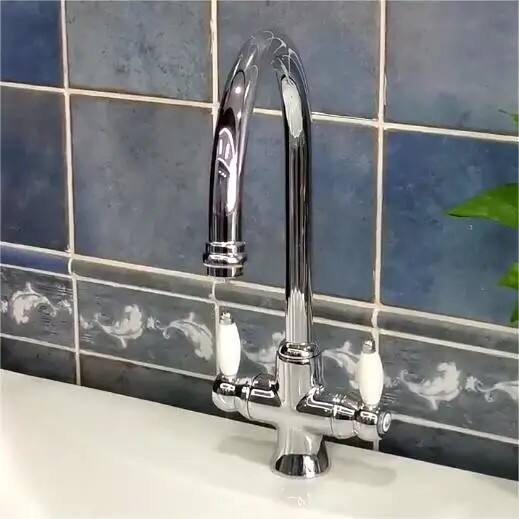
Veden säästö on muodostunut keskeiseksi tekijäksi palvelualan yrityksille, jotka pyrkivät vähentämään toimintakustannuksiaan samalla kun ne tarjoavat erinomaisia asiakaskokemuksia. Nykyaikaiset hotellit ja ravintolat kohtaavat kasvavan paineen kehittää kestäviä käytäntöjä, ja veden säästöön suunnitellut hanat ovat nousseet yhdeksi vaikutusvaltaisimmista päivityksistä, jonka tilojenhoitajat voivat toteuttaa. Strateginen vesikohde valinta vaikuttaa suoraan kulutusmalleihin, huoltovaatimuksiin ja kokonaisvaltaiseen laitoksen suorituskykyyn kaupallisissa ympäristöissä.
Majoitusteollisuus kuluttaa päivittäin merkittäviä määriä vettä vierashuoneissa, keittiöissä ja yleisissä tiloissa. Veden säästävien hanojen asentaminen voi vähentää vedenkulutusta jopa 30 % ilman, että toiminnallisuus tai asiakastyytyväisyys kärsivät. Nämä varusteet sisältävät edistyneitä ilmansekoittimia, painesäätimiä ja virtauksenrajoittimia, jotka säilyttävät optimaalisen suorituskyvyn samalla kun hukkaaminen minimoituu. Kaupallisille toimijoille syntyy hyötyjä alentuneista energialaskuista, pienentyneestä ympäristövaikutuksesta ja parantuneista kestävyysarvioista, jotka vetävät puoleensa ympäristöä arvostavia kuluttajia.
Veden virtausteknologian ymmärtäminen kaupallisissa hanoissa
Ilmansekoittimet ja virtauksen säätömekanismit
Vedenkulutusta säästävät hanat hyödyntävät kehittyneitä ilmansekoituslaitteita (aerotaattoreita), jotka sekoittavat ilmaa vesisuihkun kanssa, mikä luo täytempää virtauskuvaa käyttäen vähemmän todellista vedenmäärää. Nämä järjestelmät sisältävät verkkomaisia suodattimia ja painekammioiden, jotka tuovat ilmakuplia vesisuihkun sisään, säilyttäen käyttäjän tyytyväisyyden samalla kun vedenkulutusta vähennetään. Kaupallisluokan ilmansekoituslaitteet vähentävät yleensä virtausnopeutta standardista 2,2 gallonaa minuutissa (noin 8,3 litraa/min) jopa 0,5 gallonaan minuutissa (noin 1,9 litraa/min) ilman huomattavaa suorituskyvyn heikkenemistä.
Edistyneisiin virtauksen säätömekanismeihin kuuluvat painetta kompensoivat venttiilit, jotka säätävät automaattisesti lähtevää virtausta tulevan vedenpaineen mukaan. Tämä teknologia varmistaa yhtenäisen suorituskyvyn eri putkistojärjestelmissä ja rakennusten eri kerroksissa. Vedenkulutusta säästävät hanat, joissa on nämä ominaisuudet, säilyttävät vakion virtausnopeuden riippumatta huippukulutusajoista tai suurten hotelli- ja palvelutilojen putkistojen yleisistä paineenvaihteluista.
Älykkäät anturit ja automatisoidut ohjausjärjestelmät
Modernit veden säästävät hanat sisältävät infrapunantunnistimia ja liiketunnistusteknologiaa, jotka aktivoivat veden virran ainoastaan tarvittaessa. Nämä automatisoidut järjestelmät poistavat vedenhukkaa osittain suljetuista venttiileistä tai unohdetusta juoksevasta vedestä, mikä on erityisen tärkeää suuriliikenteisissä kaupallisissa ympäristöissä. Anturilla varustettujen hanojen käyttö voi vähentää vedenkulutusta lisäksi 15–20 % verrattuna pelkästään manuaaliseen käyttöön.
Lämpötilasäädön integrointi mahdollistaa veden säästävien hanojen toiminnan siten, että ne toimittavat etukäteen asetetun lämpötilan välittömästi, mikä poistaa vedenhukkaa lämpötilan säätövaiheista. Nämä järjestelmät sisältävät termostaattisia sekoitusventtiilejä ja digitaalisia lämpötilanäyttöjä, jotka varmistavat mukavuuden samalla kun kulutusta minimoidaan. Kaupallisissa asennuksissa hyödynnetään vähentyneitä kuumavedentarpeita ja niitä vastaavia energiakustannuksia.
Kustannus-hyötyanalyysi hotelli- ja ravintolatoimialalle
Alkuperäinen sijoitus verrattuna pitkän aikavälin säästöihin
Asennus veden säästävät hanat edellyttää alkuun suoritettavaa pääomasijoitusta, jonka suuruus vaihtelee valaisimen laadun, teknologisten ominaisuuksien ja asennuksen monimutkaisuuden mukaan. Korkealaatuiset kaupalliset valaisimet maksavat yleensä 20–40 % enemmän kuin tavallisemmat mallit, mutta ne tuottavat merkittäviä pitkän aikavälin säästöjä vähentäen sähkölaskuja ja huoltotarvetta. Investoinnin tuotto saavutetaan yleensä 18–24 kuukauden sisällä useimmissa hotelli- ja ravintolakäytöissä.
Vedenkulutusta säästävät hanat tuottavat mitattavia kustannussäästöjä vähentämällä vedenkulutusta, jätevesimaksuja ja kuumavesilämmityskustannuksia. Suuret hotellit voivat säästää tuhansia dollareita vuodessa strategisilla hanavaihdoksilla, kun taas ravintolat hyötyvät alentuneesta toimintakulusta ja parantuneista voittomarginaaleista. Nämä säästöt kertyvät koko hanan käyttöiän ajan, joka on tyypillisesti 10–15 vuotta laadukkaissa kaupallisissa asennuksissa.
Huollon ja toiminnallisen tehokkuuden edut
Vedenkulutusta säästävät hanat usein sisältävät yksinkertaistettuja sisäisiä mekanismeja ja kestäviä komponentteja, jotka vähentävät huoltovaatimuksia verrattuna perinteisiin kiinnikkeisiin. Edistyneet materiaalit ja tarkka suunnittelu vähentävät kulumiskuvioita ja pidentävät huoltovälejä. Tilojen hoitotiimit ilmoittavat vähentyneistä huoltopuheluista ja vaihto-osien kustannuksista, kun ne päivittävät laadukkaisiin vedenkulutusta säästäviin kiinnikkeisiin.
Toiminnallisen tehokkuuden parantaminen sisältää nopeammat puhdistusprotokollat, vähenevän kalkinmuodostuman ja parantuneen hygieniavaatimusten noudattamisen. Vedenkulutusta säästävät hanat, joissa on sileät pinnat ja antimikrobiset pinnoitteet, tukevat parantunutta siisteyden ylläpitämistä, mikä on erityisen tärkeää ravintola- ja ruokapalveluympäristöissä. Nämä edut kääntyvät pienemmiksi työvoimakustannuksiksi ja paremmiksi terveysviraston vaatimustenmukaisuusarvioiksi.
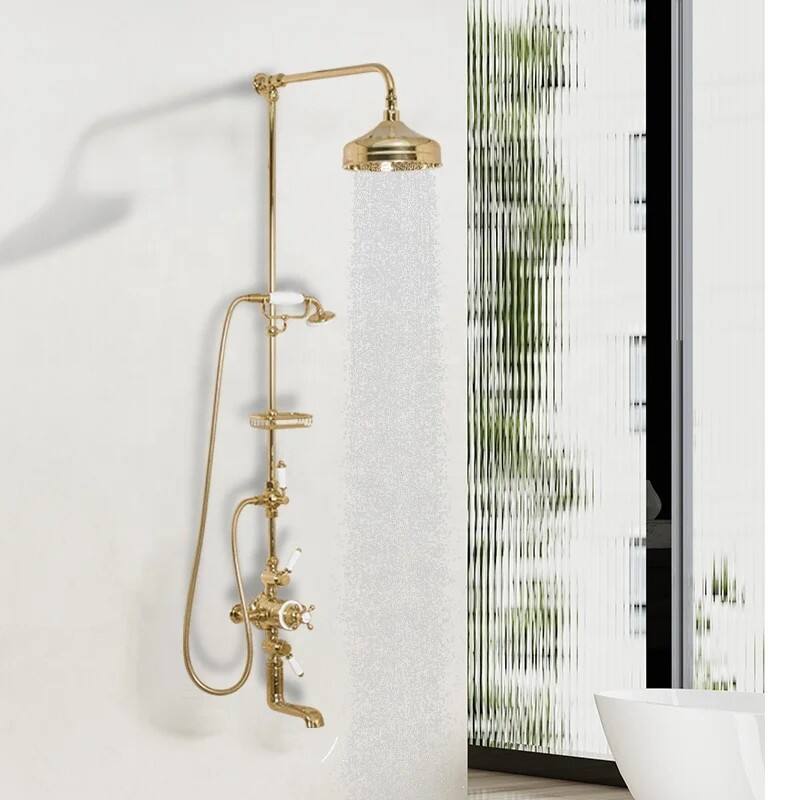
Asiakaskokemus ja suorituskykyä koskevat näkökohdat
Käyttäjätyytyväisyyden säilyttäminen tehokkaalla suunnittelulla
Modernit veden säästävät hanat tarjoavat erinomaisia käyttäjäkokemuksia ajateltujen teknisten ratkaisujen avulla, jotka tasapainottavat veden säästöä ja suorituskykyä. Edistynyt ilmansekoittimeteknologia luo tyydyttävän vedenpaineen tunnetta käyttäen huomattavasti vähemmän vettä. Vierailevien asiakkaiden kyselyt osoittavat jatkuvasti korkeita tyytyväisyystasoja asianmukaisesti valittuihin säästäviin kiinnikkeisiin, jotka säilyttävät mukavuuden ja toiminnallisuuden.
Lämpötilan vakaus ja nopea kuumaveden toimitus varmistavat vieraiden mukavuuden samalla kun tuetaan tehokkuustavoitteita. Veden säästävät hanat lämpötilasäätimillä tarjoavat johdonmukaiset lämpötilat, mikä parantaa käyttäjätyytyväisyyttä ja turvallisuutta. Nämä ominaisuudet ovat erityisen tärkeitä luksushotellialoilla, joissa vieraiden odotukset vaativat premium-tason suorituskykyä.
Kestävyys ja luotettavuus korkean käytön ympäristöissä
Kaupallisesti käytettävät veden säästävät hanat on suunniteltu kestämään intensiivistä päivittäistä käyttöä samalla kun ne säilyttävät suorituskykyään koko käyttöikänsä ajan. Laadukkaat hanat sisältävät vahvistettuja sisäosia, korroosionkestäviä materiaaleja ja vankkaa rakennetta, joka on suunniteltu erityisesti hotelli- ja ravintolaympäristöihin.
Kaupallisella sertifioidut veden säästävät hanat täyttävät tiukat suorituskyvyn vaatimukset virtausnopeuden vakauden, lämpötilan säädön ja mekaanisen kestävyyden osalta. Nämä tekniset vaatimukset varmistavat, että hanat säilyttävät energiatehokkuusluokkansa koko käyttöikänsä ajan ja tarjoavat luotettavaa toimintaa. Sertifioitujen tuotteiden hankinta suojelee ennenaikaista vikaantumista ja suorituskyvyn heikkenemistä, jotka voisivat vaarantaa saavutetut tehokkuusetulyt.
Toteutusstrategiat maksimaalista vaikutusta varten
Vaiheittainen asennus ja prioriteettialueiden valinta
Onnistunut veden säästöön suunniteltujen hanojen käyttöönotto tapahtuu usein vaiheittain, jolloin keskitytään suurimman vaikutuksen alueisiin saavuttaakseen mahdollisimman suuret säästöt. Vierashuoneet, keittiön valmistelutilat ja työntekijöiden tilat tarjoavat yleensä suurimman tuoton sijoitukselle, koska niitä käytetään usein.
Asennushankkeiden ajoittaminen tavallisten remonttien tai huoltotöiden kanssa maksimoi kustannustehokkuuden ja vähentää toiminnallisesti aiheutuvaa häiriötä. Veden säästöön suunnitellut hanat, jotka asennetaan suunniteltujen parannusten yhteydessä, integroituvat saumattomasti muihin tehokkuusparannuksiin, kuten vähävirtaisiin wc-koneisiin ja LED-valaistusjärjestelmiin. Laajamittaiset lähestymistavat vahvistavat yksittäisten komponenttien etuja synergiaefektien kautta.
Henkilökunnan koulutus- ja vieraiden tiedotusohjelmat
Ammattimainen henkilökunnan koulutus varmistaa, että veden säästävät hanat toimivat optimaalisesti oikean käytön ja perushuollon avulla. Koulutusohjelmien tulisi kattaa anturin toiminta, lämpötilasäätimet ja yleisimpien ongelmien ratkaisu. Hyvin informoitu henkilökunta voi hyödyntää tehokkuusetuja täysimittaisesti ja tarvittaessa tukea asiakkaita.
Asiakkaiden tiedottamiseen suunnatut toimet korostavat ympäristöllisiä etuja ja oikeaa käyttötapaa veden säästävillä hanoilla ilman mukavuuden tai käytettävyyden heikentämistä. Hienovaraiset merkinnät ja digitaaliset näytöt voivat välittää säästöviestejä samalla kun ne osoittavat yrityksen vastuullisuutta. Nämä toimet vahvistavat brändin mainetta ja edistävät kestäviä käyttäytymistapoja, jotka tukevat tehokkuustavoitteita.
Teknologiatrendit ja tulevat kehitykset
Älykkään rakennuksen integrointi ja IoT-yhteys
Seuraavan sukupolven veden säästävät hanat sisältävät internetiin liitettävyyden, joka mahdollistaa etäseurannan, käyttöanalyysit ja ennakoivan huollon. Älykkäät järjestelmät seuraavat kulutusmalleja, tunnistavat poikkeamat ja optimoivat suorituskykyä automaattisesti. Nämä teknologiat tarjoavat tilojen ylläpitäjille tarkkoja tietoja jatkuvia tehokkuusparannuksia varten.
Rakennuksen automaatiojärjestelmän integrointi mahdollistaa veden säästävien hanojen koordinoinnin muiden järjestelmien kanssa parantamaan kokonaissuorituskykyä. Yhdistetyt kiinnikkeet voivat säätää virtausnopeutta henkilöiden läsnäolon tasojen, vuodenajien vaatimusten ja toimintataulujen perusteella. Tämä koordinointi maksimoi säästöhyödyt samalla kun palvelun laatu säilyy huippukäytön aikana.
Edistyneet materiaalit ja kestävä valmistus
Uudet materiaalitieteen kehitykset mahdollistavat veteen säästävät hanat, joilla on parannettu kestävyys, antimikrobiset ominaisuudet ja kierrätettäviä komponentteja. Biopohjaiset materiaalit ja kestävät valmistusprosessit ovat linjassa laajempien ympäristötavoitteiden kanssa suorittaessaan varusteiden valintaa. Nämä edistykset tukevat majoitusalan kestävyysaloitteita samalla kun ne tarjoavat erinomaisia suoritusominaisuuksia.
Nanoteknologian sovellukset luovat itsepuhdistuvia pintoja ja edistyneitä virtauksen säätömekanismeja, jotka parantavat entisestään veteen säästävien hanojen suorituskykyä. Nämä innovaatiot vähentävät huoltovaatimuksia samalla kun ne parantavat hygieniayksiköiden tärkeitä hygieniatuloksia kaupallisissa ympäristöissä. Tulevaisuuden ajattelua harjoittavat tilat voivat hyödyntää näitä teknologioita kilpailuetuisuuden saavuttamiseksi kestävyys- ja toiminnallisen tehokkuuden alueella.
UKK
Kuinka paljon vettä veteen säästävät hanat voivat säästää kaupallisissa tiloissa
Veden säästävät hanat vähentävät yleensä kulutusta 20–30 %:lla kaupallisissa hotelli- ja ravintolaympäristöissä, ja jotkut edistyneet mallit saavuttavat jopa 50 %:n säästön. Todellinen säästö riippuu käyttötauvosta, olemassa olevien varusteiden tehokkuudesta ja oikeasta asennuksesta. Suuret hotellit säästävät usein vuosittain 100 000–300 000 gallonaa (noin 378 500–1 136 000 litraa) laajamittaisilla veden säästävillä hanapäivityksillä, mikä johtaa merkittäviin kustannussäästöihin ja ympäristöhyötyihin.
Mitkä ovat veden säästävien hanojen huoltovaatimukset?
Laadukkaat veden säästävät hanat vaativat yleensä vähemmän huoltoa kuin perinteiset varusteet, koska niissä on yksinkertaisemmat sisäiset mekanismit ja kestävät materiaalit. Tavanomainen huolto sisältää aika ajoin suodattimen puhdistamisen, anturin kalibroinnin sekä suodattimen vaihdon 6–12 kuukauden välein. Ammattimainen huolto kerran vuodessa varmistaa optimaalisen suorituskyvyn ja pidentää varusteen käyttöikää samalla kun sen tehokkuusluokitus säilyy koko käyttöjakson ajan.
Vaativatko veden säästävät hanat käyttäjän kokemukseen tai suorituskykyyn kohdistuvia kompromisseja?
Modernit veden säästävät hanat tarjoavat erinomaisia käyttäjäkokemuksia edistyneen suunnittelun avulla, joka säilyttää painetun tuntemuksen ja lämpötilan säädön samalla kun kulutusta vähennetään. Oikein valitut kiinnikkeet laadukkailla ilmansekoittimilla varustettuina tarjoavat tyydyttäviä virtausominaisuuksia, jotka täyttävät tai ylittävät käyttäjien odotukset. Vieraspuolen tyytyväisyyskyselyt osoittavat jatkuvasti positiivisia vastauksia, kun tilat päivittävät hyvin suunnitelluilla, tehokkailla kiinnikkeillä varustettuja ratkaisuja sopivilla ominaisuuksilla.
Millaisia sertifikaatteja kaupallisilla veden säästävillä hanoilla tulisi olla
Kaupallisissa tiloissa käytettävien veden säästävien hanojen tulee olla varustettu WaterSense-sertifikaatilla, täyttää ADA-vaatimukset sekä noudattaa asennuspaikalle soveltuvia putkistokoodivaatimuksia. Lisäsertifikaatteihin kuuluvat materiaalien turvallisuutta koskevat NSF/ANSI-standardit, ASME:n suorituskyvyn vaatimukset sekä kaupallisissa sovelluksissa käytettävien tuotteiden IAPMO-listaukset. Nämä sertifikaatit varmistavat, että kiinnitykset täyttävät tehokkuusvaatimukset ja tarjoavat luotettavaa suorituskykyä vaativissa hotelli- ja ravintolaympäristöissä, samalla kun ne täyttävät asianmukaiset turvallisuus- ja kestävyysvaatimukset.
Sisällysluettelo
- Veden virtausteknologian ymmärtäminen kaupallisissa hanoissa
- Kustannus-hyötyanalyysi hotelli- ja ravintolatoimialalle
- Asiakaskokemus ja suorituskykyä koskevat näkökohdat
- Toteutusstrategiat maksimaalista vaikutusta varten
- Teknologiatrendit ja tulevat kehitykset
-
UKK
- Kuinka paljon vettä veteen säästävät hanat voivat säästää kaupallisissa tiloissa
- Mitkä ovat veden säästävien hanojen huoltovaatimukset?
- Vaativatko veden säästävät hanat käyttäjän kokemukseen tai suorituskykyyn kohdistuvia kompromisseja?
- Millaisia sertifikaatteja kaupallisilla veden säästävillä hanoilla tulisi olla