 EN
EN


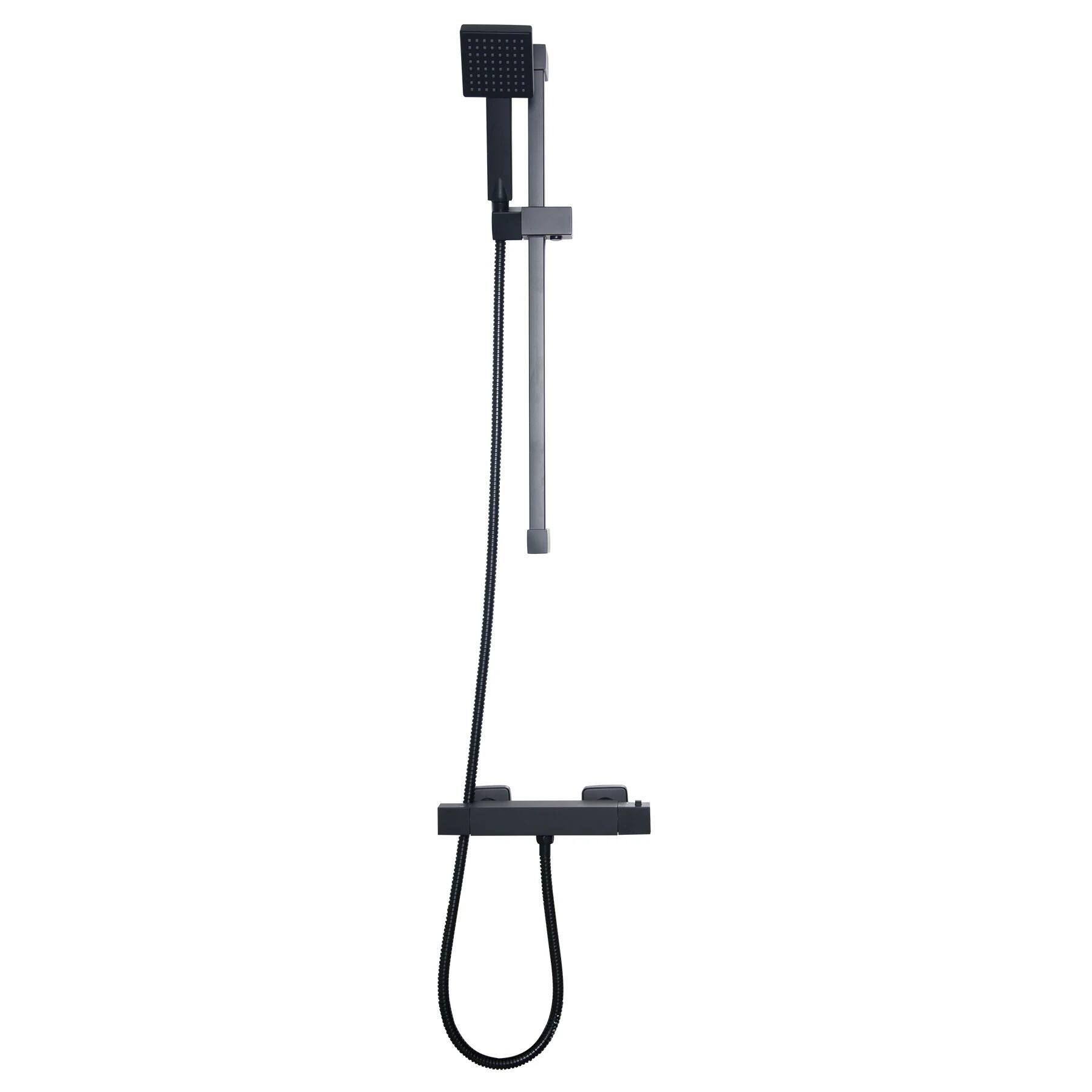
Při návrhu moderní koupelny má výběr vhodné sprchová hlavice výrazný dopad na váš každodenní režim i celkový zážitek z koupání. Volba mezi déšť sprcha hlava a vysokotlakou sprchovou hlavicí představuje jedno z nejdůležitějších rozhodnutí, která majitelé domů čelí během rekonstrukce koupelny nebo nové výstavby. Pochopení základních rozdílů mezi těmito dvěma populárními styly sprchových hlavic vám pomůže učinit informované rozhodnutí, které odpovídá vašim osobním preferencím, požadavkům na tlak vody a cílům návrhu koupelny.
Jak dešťové, tak sprchové hlavice s vysokým tlakem nabízejí zřetelné výhody a vyhovují různým preferencím uživatelů. Zatímco dešťová sprchová hlavice poskytuje luxusní, wellnessový zážitek jemného rozptylu vody, sprchové hlavice s vysokým tlakem dodávají silné, soustředěné proudy vody, které mnozí uživatelé upřednostňují pro jejich osvěžující účinek. Volba nakonec závisí na faktorech, jako je tlak vody ve vašem domě, osobní preference při koupeli, velikost koupelny a požadovaný estetický dojem.
Návrh a estetické charakteristiky
Vzhled a možnosti instalace
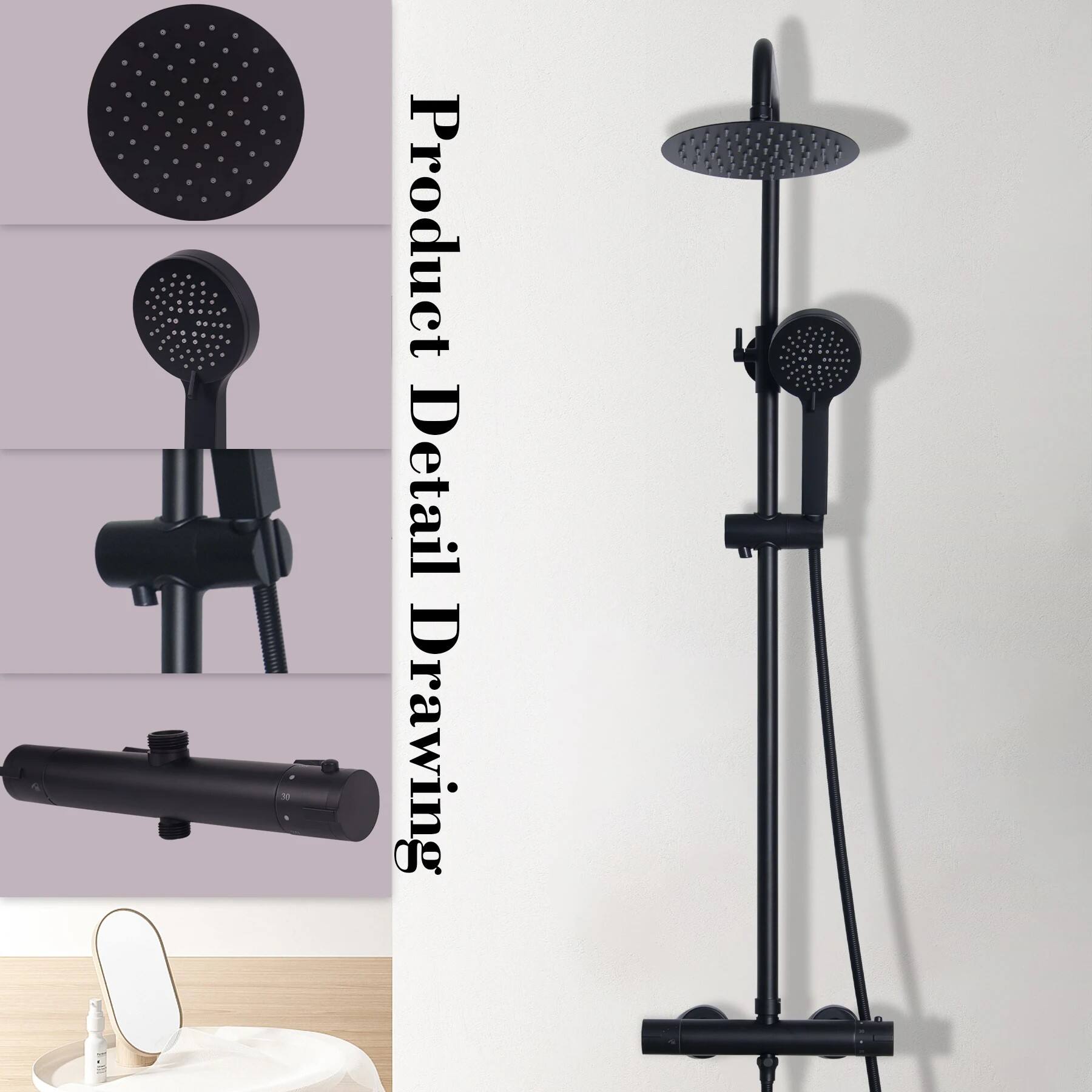
Dešťová sprchová hlavice obvykle má velký plochý tvar s průměrem od 15 cm do více než 50 cm. Tyto sprchové hlavice jsou navrženy tak, aby byly montovány nad hlavou, buď přímo do stropu, nebo na prodlouženém rameni připevněném ke zdi. hlavička pro dešťovou sprchu vytváří v každé koupelně výrazné vizuální prohlášení a často slouží jako dominantní prvek, který zvyšuje celkovou estetickou hodnotu designu. Hladký, minimalistický vzhled většiny modelů s dešťovým sprchováním se výjimečně dobře hodí do současných a moderních koupelen.
Sprchové hlavice s vysokým tlakem jsou naopak obvykle kompaktnější a funkčnější ve svém designu. Tyto jednotky mají typicky průměr mezi 3 a 6 palců a zaměřují se na technické prvky, které maximalizují tlak vody a účinnost průtoku. Ačkoli nemusí působit stejně dramaticky z hlediska vizuálního dopadu jako sprchová hlavice s dešťovým sprchováním, modely s vysokým tlakem často obsahují nastavitelné režimy, masážní funkce a ergonomický design, které klade důraz na funkčnost spíše než na čistou estetiku. Mnoho sprchových hlavic s vysokým tlakem má chromový nebo matný povrch, který se bezproblémově začleňuje do tradičních i přechodových stylů koupelen.
Konstrukce z materiálu a trvanlivost
Stavební materiály používané při výrobě sprchových hlavic typu dešťová sprcha se často zaměřují jak na odolnost, tak na vizuální atraktivitu. Prémiové modely obvykle využívají pevnou konstrukci z mosazi nebo nerezové oceli s různými možnostmi povrchové úpravy, jako jsou chrom, matný nikl, olejově leštěný bronz a matná černá barva. Větší povrchová plocha sprchové hlavice typu dešťová sprcha vyžaduje robustní vnitřní mechanismy, aby bylo zajištěno rovnoměrné rozdělení vody přes všechna stříkací trysky, což činí kvalitní konstrukci nezbytnou pro dlouhodobý provoz.
Sprchové hlavice vysokého tlaku klade důraz na vnitřní technické řešení a mechanismy zvyšující tlak spíše než na dekorativní prvky. Tyto zařízení často obsahují specializované komory, omezení průtoku a přesně navržené trysky, jejichž účelem je maximalizovat rychlost proudění vody. Ačkoli estetika stále zůstává důležitá, hlavní pozornost je zaměřena na vytvoření odolných vnitřních komponent, které vydrží vyšší tlaky i časté nastavování vzorů postřiku. Mnoho modelů vysokého tlaku je vybaveno samovymývacími tryskami a technologií proti ucpání, aby po celou dobu zajišťovaly optimální výkon.
Vzory proudění vody a výkon
Rozdělení průtoku a pokrytí plochy
Základní rozdíl mezi těmito typy sprchových hlavic spočívá v jejich způsobu rozvádění vody. Sprchová hlavice typu dešťový déšť vytváří široký, jemný proud vody, který napodobuje přirozený déšť, a poskytuje komplexní pokrytí těla při uvolňujícím, wellnessovém zážitku. Proud vody se obvykle rovnoměrně rozvádí po celém povrchu sprchové hlavice, čímž vznikají stovky jednotlivých vodních proudů padajících svisle dolů. Tento design klade důraz na rozlohu pokrytí spíše než na intenzitu tlaku, což jej činí ideální pro uživatele, kteří upřednostňují uklidňující a pohlcující koupelový zážitek.
Sprchové hlavice s vysokým tlakem koncentrují průtok vody prostřednictvím menšího počtu více zaměřených trysk, čímž vytvářejí silné a cílené proudy. Tento koncentrovaný přístup vede ke zvýšené rychlosti vody a intenzivnějšímu tlaku na kůži, což poskytuje osvěžující sprchový zážitek, který mnoho uživatelů považuje za povzbuzující. Zaměřený rozstřik umožňuje lepší oplachování mýdla a šamponu, zejména u osob s hustými nebo dlouhými vlasy. Některé modely se vysokým tlakem nabízejí více režimů rozstřiku, díky čemuž si uživatelé mohou vybrat mezi cílenými masážními proudy, širokým rozstřikem a pulzujícími režimy.
Požadavky na tlak vody a jeho optimalizace
Kompatibilita s tlakem vody představuje klíčové kritérium při výběru mezi těmito styly sprchových hlavic. Sprchová hlavice typu dešťový sprchový systém obvykle vyžaduje vyšší základní tlak vody, aby fungovala efektivně, a to kvůli své větší povrchové ploše a počtu výtokových otvorů. V domech s nízkým tlakem vody mohou u modelů typu dešťový sprchový systém nastat zklamání z výkonu, protože nedostatečný tlak může vést ke slabému a nerovnoměrnému rozptylu vody, který neposkytuje zamýšlený luxusní zážitek. Většina výrobců sprchových hlavic typu dešťový sprchový systém doporučuje minimální tlak vody mezi 30–40 PSI pro optimální výkon.
Sprchové hlavice s vysokým tlakem jsou speciálně navrženy tak, aby efektivně fungovaly i za podmínek nízkého tlaku vody, často využívají technologii zvyšování tlaku, která zesiluje stávající tlak vody. Tyto zařízení obvykle obsahují vnitřní mechanismy, jako jsou omezení průtoku, tlakové komory a specializované tvary trysky, jež maximalizují rychlost vody bez ohledu na úroveň přiváděného tlaku. Mnoho modelů s vysokým tlakem dokáže zajistit uspokojivý výkon i při tlaku vody pouhých 20 PSI, což je vhodné pro starší domy, byty nebo oblasti s přirozeně nízkým tlakem vody.
Požadavky a aspekty instalace
Úpravy potrubí a možnosti upevnění
Montáž sprchové hlavice typu dešťový déšť často vyžaduje podrobnější plánování a případně významné úpravy potrubí ve srovnání se standardními sprchovými hlavicemi. Montáž do stropu, která poskytuje nejautentičtější zážitek z dešťového déště, obvykle vyžaduje přemístění přívodních vodovodních potrubí a zajistění dostatečné konstrukční podpory pro větší zařízení. Montáž sprchové hlavice typu dešťový déšť na stěnu pomocí prodloužených ramen je obecně jednodušší, avšak stále je třeba zohlednit vhodnou výšku a úhel pro optimální rozsah postřiku vodou.
Instalační proces sprchové hlavice typu dešťový déšť může také zahrnovat zvážení otázek vodotěsnosti, zejména u jednotek montovaných do stropu. Správné utěsnění okolí průchodů stropem je rozhodující pro prevenci poškození vodou a zachování celistvosti konstrukce koupelny. Profesionální instalace je často doporučena u modelů sprchových hlavic typu dešťový déšť montovaných do stropu, aby byla zajištěna shoda s místními vodovodními předpisy a správné vedení vodovodních potrubí.
Kompatibilita se stávajícími instalacemi vodovodu
Vysokotlaké sprchové hlavice obvykle nabízejí větší kompatibilitu se stávajícími potrubními systémy a standardními sprchovými konfiguracemi. Většina modelů je navržena tak, aby přímo nahradily stávající sprchové hlavice pomocí standardních závitových spojů, což vyžaduje minimální úpravy stávajícího potrubí. Tato kompatibilita činí vysokotlaké sprchové hlavice atraktivní volbou pro modernizaci koupelen, která klade důraz na zlepšení výkonu bez rozsáhlých nákladů na rekonstrukci.
Jednoduchý proces instalace vysokotlakých sprchových hlavic umožňuje mnoha domácím majitelům provést tuto modernizaci jako projekt provedený vlastními silami (DIY). K instalaci obvykle postačují běžné nástroje a základní znalosti potrubních prací, i když pro složitější modely s více nastavitelnými funkcemi nebo pro domy s neobvyklými potrubními konfiguracemi může být stále vhodnější profesionální instalace.
Výkon za různých podmínek vody
Srovnání výkonu při nízkém tlaku
V podmínkách nízkého tlaku vody se rozdíl výkonu mezi sprchovou hlavicí typu dešťová sprcha a vysokotlakovou sprchovou hlavicí stává zvláště patrný. Sprchová hlavice typu dešťová sprcha může mít potíže s poskytnutím dostatečného průtoku vody po celé své ploše, což vede k nerovnoměrnému pokrytí a slabým proudům, které nedokáží zajistit zamýšlený relaxační efekt. Uživatelé v prostředích s nízkým tlakem často vyjadřují nespokojenost s výkonem sprchových hlavic typu dešťová sprcha, zejména v starších budovách nebo v oblastech s omezením tlaku vody ze strany místních vodárenských závodů.
Sprchové hlavice s vysokým tlakem vynikají v situacích s nízkým tlakem díky svému inženýrsky navrženému provedení, které zvyšuje dostupný tlak vody. Vnitřní mechanismy zvyšující tlak, omezení průtoku a přesné trysky společně vytvářejí uspokojivé proudy vody i v případě omezeného přívodního tlaku. To činí modely s vysokým tlakem preferovanou volbou pro byty, bytové domy a rodinné domy, kde je žádoucí zlepšení tlaku vody bez nutnosti drahých úprav potrubního systému.
Výkon systému s vysokým tlakem
Pokud je k dispozici dostatečný tlak vody, oba typy sprchových hlavic dokážou poskytnout výjimečný výkon, avšak každý z nich nabízí zcela odlišný zážitek. Sprchová hlavice typu deštíková sprcha při dostatečném tlaku vytváří pohlcující, wellnessové prostředí, které mnoho uživatelů považuje za hluboce uklidňující a luxusní. Široká pokryvná plocha a jemný tok vody umožňují delší a pohodlné sprchování, které se spíše podobá terapeutickému ošetření než běžné hygienické rutině.
Sprchové hlavice pro vysokotlaké systémy mohou dodávat neuvěřitelně silné a osvěžující proudy vody, které poskytují vynikající čisticí účinek a uvolňují svalové napětí. Koncentrované proudy vody nabízejí výjimečnou schopnost oplachování i u hustých vlasů a účinně odstraňují zbytky mýdla. Mnoho uživatelů oceňuje probouzující účinek vysokotlakých sprchových hlavic, zejména při ranních sprchách, které pomáhají probudit se a připravit se na nadcházející den.
Úspora a efektivita vody
Zvažování průtokového množství a environmentální dopad
Spotřeba vody je stále důležitějším faktorem pro ekologicky zaměřené spotřebitele při výběru sprchových hlavic. Sprchová hlavice typu deštík obvykle spotřebuje více vody za minutu než alternativy s vysokým tlakem, a to kvůli větší ploše povrchu a počtu výtokových otvorů. Standardní modely sprchových hlavic typu deštík mohou spotřebovávat mezi 2,5 a 5,0 galonů za minutu, v závislosti na velikosti a konstrukčních specifikacích. Mnoho moderních modelů sprchových hlavic typu deštík však integruje technologie šetření vodou, které zachovávají výkon při současném snížení spotřeby.
Vysokotlaké sprchové hlavice často zajišťují lepší účinnost využití vody díky zaměřeným postřikovým vzorům a technologiím zesilování tlaku. Tím, že koncentrují průtok vody a maximalizují čisticí účinek, mohou tyto zařízení zkrátit dobu sprchování, aniž by se snížila spokojenost uživatele. Mnoho vysokotlakých modelů splňuje nebo překračuje požadavky certifikace WaterSense a spotřebuje 2,0 galonu (7,6 litru) za minutu nebo méně, přičemž poskytuje lepší výkon než tradiční sprchové hlavice.
Dlouhodobé provozní náklady
Rozdíly ve spotřebě vody mezi dešťovými a vysokotlakými sprchovými hlavicemi se projevují měřitelnými dlouhodobými rozdíly v provozních nákladech. Domácnosti, které používají dešťové sprchové hlavice s vysokým průtokem, mohou zažít vyšší náklady na vodu a energii kvůli vyšší spotřebě a delším dobám sprchování, které podporuje uvolněný charakter tohoto typu sprchy. Výhody luxusu a zmírňování stresu, které dešťové modely nabízejí, však pro mnoho uživatelů mohou způsobené dodatečné náklady ospravedlnit.
Sprchové hlavice s vysokým tlakem obvykle umožňují snížit provozní náklady díky nižší spotřebě vody a kratším dobám sprchování. Efektivní čisticí účinek a osvěžující zážitek, který poskytují modely s vysokým tlakem, často vedou k rychlejším a účinnějším sprchám, které šetří jak vodu, tak energii. Pro domácnosti citlivé na rozpočet nebo spotřebitele zaměřené na ochranu životního prostředí poskytují sprchové hlavice s vysokým tlakem často lepší dlouhodobou hodnotu, i když mohou mít prémiové modely vyšší počáteční nákupní cenu.
Často kladené otázky
Může sprchová hlavice typu deští efektivně fungovat v domácnosti se slabým tlakem vody?
Sprchová hlavice typu dešťový déšť obvykle vyžaduje dostatečný tlak vody, aby správně fungovala – obvykle minimálně 30–40 PSI. V případech nízkého tlaku může sprchová hlavice typu dešťový déšť poskytovat slabý a nerovnoměrný průtok vody, který nedokáže účinně pokrýt celou povrchovou plochu. Někteří výrobci však nabízejí modely sprchových hlavic typu dešťový déšť pro nízký tlak s upraveným vnitřním designem, které jsou schopny fungovat i při tlacích tak nízkých jako 20 PSI, avšak jejich výkon může být stále horší ve srovnání s instalacemi za vysokého tlaku.
Jaké jsou hlavní požadavky na údržbu jednotlivých typů sprchových hlavic
Jak dešťové, tak sprchové hlavice s vysokým tlakem vyžadují pravidelnou údržbu, aby se zabránilo usazování minerálů a udržela se optimální funkčnost. Údržba dešťové sprchové hlavice zahrnuje čištění větší povrchové plochy a mnoha trysk, což může být časově náročnější, ale obvykle vyžaduje pouze občasnou důkladnou údržbu. Sprchové hlavice s vysokým tlakem mohou vyžadovat častější údržbu jejich specializovaných vnitřních mechanismů a nastavitelných funkcí, avšak mnoho modelů je vybaveno samovymývacími tryskami, které snižují nároky na údržbu. Obě typy profitovaly z pravidelného odstraňování vodního kamene pomocí roztoku octa v oblastech s tvrdou vodou.
Který typ sprchové hlavice je vhodnější pro rodiny s dětmi
Volba mezi sprchovými hlavicemi typu dešťový déšť a vysokotlakými sprchovými hlavicemi pro rodiny závisí na konkrétních potřebách a preferencích. Sprchová hlavice typu dešťový déšť poskytuje jemnější tok vody, který mnoha dětem připadá pohodlnější a méně zastrašující, čímž se koupání stává příjemnějším pro nejmladší členy rodiny. Vysokotlaké sprchové hlavice nabízejí lepší možnosti oplachování při mytí dětských vlasů a odstraňování mýdla, což může být zvláště výhodné pro rodiče, kteří sledují efektivitu koupání. Zvažte upravitelné vysokotlaké modely, které umožňují přepínání mezi jemným a silným režimem, aby vyhověly potřebám různých členů rodiny.
Jak se liší náklady na instalaci u těchto typů sprchových hlavic?
Vysokotlaké sprchové hlavice obvykle mají nižší náklady na instalaci, protože se zpravidla přímo nahrazují stávající armatury pomocí standardních spojů a vyžadují minimální úpravy potrubí. Instalace sprchové hlavice typu dešťový déšť může být spojena s vyššími náklady, zejména u modelů montovaných do stropu, které vyžadují přesunutí vodovodních potrubí, zajistění statické podpory a profesionální instalaci, aby byla zachována záruka. Instalace stěnově montovaných sprchových hlavic typu dešťový déšť s prodlouženými rameny se nachází mezi těmito dvěma extrémy: vyžadují středně rozsáhlé úpravy, ale obecně méně náročnou práci než stropní varianty. Náklady na profesionální instalaci se mohou pohybovat od základních poplatků za výměnu armatury u vysokotlakých modelů až po několik set dolarů u složitých instalací sprchových hlavic typu dešťový déšť.